
In modern laboratory environments, maintaining biosafety and ensuring proper sterilization protocols are fundamental to achieving reliable results. Challenges such as risk of contamination, adherence to sterilization workflows, and the need for quick turnaround times prompt researchers and technicians to seek advanced sterilization solutions. Among these, the Micro Incinerator, also known as the Infrared Inoculating Loop Sterilizer, emerges as a dependable choice for effective laboratory sterilization.
Technical Principles of the Micro Incinerator
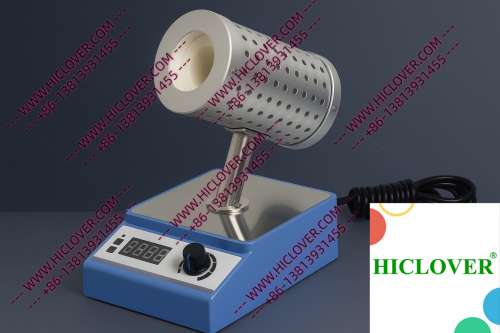
The Micro Incinerator employs a closed-chamber design emphasizing efficiency and safety in sterilization. Utilizing infrared heat emitted from a specially designed enclosed ceramic tube, this device provides rapid thermal sterilization that is both effective and safe. The confined chamber eliminates the requirement for a flame, making it particularly suited for clean-bench applications where minimizing aerosol production is crucial.
- Rapid Heating: Achieves sterilization temperatures in a matter of seconds.
- High Efficiency: Reduces the heat-up time compared to traditional methods.
- Contamination Control: The enclosed design minimizes the risk of external contaminants.
Application Scenarios in Laboratories
1. Biosafety Cabinets
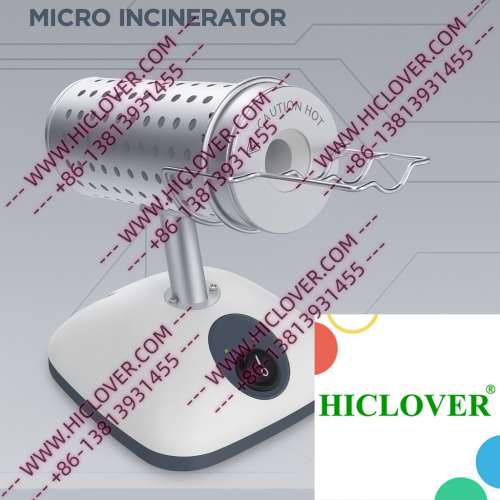
In BSL-2 and BSL-3 microbiology labs, the sterile environment is paramount. The Micro Incinerator allows researchers to sterilize inoculating loops and other microbiological instruments directly within the biosafety cabinet. This configuration ensures that the risks of cross-contamination through open flames or alcohol vapors are significantly reduced.
2. University Teaching Labs
In educational settings, demonstrating sterile techniques is essential in microbiology and biology courses. By integrating the Micro Incinerator into the curriculum, instructors can safely demonstrate inoculation techniques without the hazards associated with flame sterilizers. It’s an engaging way for students to learn proper methodologies while adhering to the highest biosafety standards.
Compliance with Biosafety Standards
Laboratory compliance with international biosafety standards, such as those set by the World Health Organization (WHO) and other regulatory bodies, is critical in maintaining a safe working environment. Traditional flame sterilizers, such as Bunsen burners and alcohol lamps, are often unsuitable for use in clean rooms and biosafety cabinets due to the risk of open flame and aerosol generation.
“The use of closed-chamber sterilizers like the Micro Incinerator aligns with contemporary standards for microbial control and safety in varied laboratory settings.”
Why Choose Micro Incinerators Over Traditional Flame Sterilizers?
| Feature | Micro Incinerator | Flame Sterilizers |
|---|---|---|
| Heating Mechanism | Infrared heat | Open flame |
| Safety | No flame hazards | Risk of fire, burns |
| Environmental Impact | Minimal aerosol production | Controlled combustion gases |
| Time Efficiency | Rapid thermal sterilization | Slower heating times |
FAQs about Closed-Chamber Sterilizers
What is a Micro Incinerator?
A Micro Incinerator is a laboratory sterilizer that uses infrared heat in a closed chamber to rapidly sterilize instruments like inoculating loops, providing a safe alternative to flame-based methods.
How does infrared sterilization work?
Infrared sterilization transfers heat to the tool being sterilized, effectively eliminating pathogens through rapid temperature rise without the risks associated with naked flames.
Is a Micro Incinerator safe for use in clean rooms?
Yes, Micro Incinerators are designed to be flame-safe, making them suitable for use in clean rooms and biosafety cabinets where standard flame sterilizers cannot be used.
What types of laboratories benefit from using a Micro Incinerator?
Research centers, teaching labs, clinical diagnostics, and field testing labs all benefit from using Micro Incinerators due to their efficiency, safety, and compliance with biosafety standards.
Are there specific maintenance requirements for Micro Incinerators?
Regular cleaning of the ceramic heating element and the sterilizing chamber is required to maintain performance, along with periodic calibration for optimal results.
Conclusion
With the unique advantages they offer, Micro Incinerators play a vital role in modern laboratory sterilization. They not only ensure high standards of sterilization efficiency but also align with rigorous biosafety compliance requirements. By choosing the Micro Incinerator over traditional flame sterilizers, laboratories worldwide can improve their safety protocols, Reduce contamination risks, and enhance workflow productivity. For reliable and high-quality Micro Incinerator solutions, reach out today!
Categories:
Tags: