
In laboratory environments, effective sterilization is paramount to ensure biosafety and prevent contamination. Traditional methods, such as Bunsen burners and alcohol lamps, although effective, introduce risks like open flames and aerosol dispersal. Enter the modern alternative: flameless sterilization through the Micro Incinerator or Infrared Inoculating Loop Sterilizer. This revolutionary equipment addresses the sterilization workflow demands without compromising safety.
Practical Laboratory Biosafety Challenges
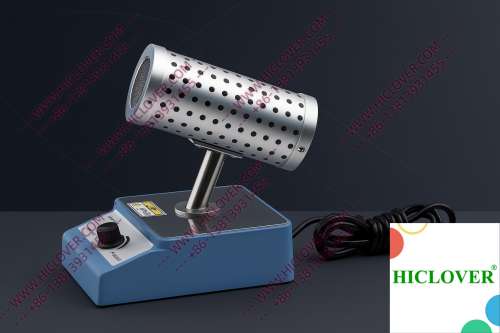
Laboratories, especially those focused on microbiological research or clinical diagnostics, contend with strict compliance requirements and the imperative of maintaining a contamination-free environment. The need for reliable sterilization techniques is heightened in various settings, including BSL-2 and BSL-3 laboratory environments, where biohazard materials are often handled. With the emergence of advanced sterilization technology, researchers and laboratory technicians are equipped to manage their sterilization workflows more efficiently and safely.
How Flameless Sterilization Works
The Micro Incinerator employs a sophisticated design featuring an enclosed ceramic heating chamber that utilizes infrared heat for rapid thermal sterilization. This method enables the safe and effective disinfection of inoculating loops and other laboratory instruments. Unlike traditional flame-based methods, flameless sterilizers provide a clean-bench-safe operation, minimizing the risk of contamination from open flames.
Technical Principle Explanation
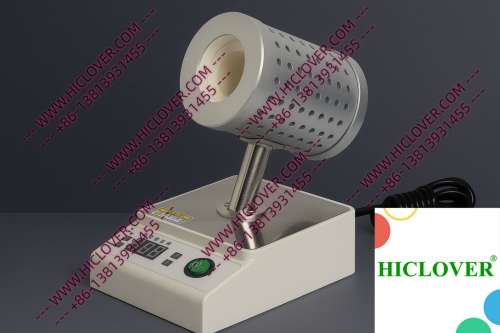
At the heart of the Micro Incinerator’s technology is the high-temperature disinfection process facilitated by infrared waves. The enclosed ceramic tube heats up rapidly and uniformly, effectively incinerating microbial contaminants without the production of flame-related aerosols. The efficient heating mechanism guarantees that tools reach the necessary sterilization temperatures in a matter of seconds, making it perfect for environments where quick turnaround is crucial.
Application Scenarios in Real Labs
1. Biosafety Cabinet Usage
Within a biosafety cabinet, precision and safety are crucial. The Micro Incinerator can be utilized for sterilizing inoculating loops and other equipment before and after handling biological samples. This method not only keeps the workspace safe but also assures that no contaminants are introduced or released into the environment.
2. Field Testing in Environmental Microbiology
Field testing labs often operate in conditions where traditional sterilization methods are impractical. Utilizing a flameless sterilizer allows researchers to conduct experiments in remote locations without compromising biosafety. The portability and efficient sterilization offered by devices like the Micro Incinerator make them ideal for environmental assessment scenarios.
Compliance and Environmental Standards
Adhering to global biosafety standards is critical for laboratory operations. Organizations like the World Health Organization (WHO) and various national lab standards set forth strict guidelines to safeguard personnel and public health. Specifically:
- No open flames allowed in clean rooms to prevent contamination.
- Micro Incinerators meet WHO biosafety regulations for reliable sterilization.
- Compliance with local and international lab sterilization standards.
Regions such as Europe and North America emphasize stringent adherence to these protocols, making flameless sterilizers an essential investment for compliant laboratory operations.
Advantages Over Traditional Flame Sterilizers
| Feature | Micro Incinerator | Traditional Flame Sterilizers |
|---|---|---|
| Risk of Fire | Minimal | High |
| Contamination Control | Excellent | Poor |
| Heat-Up Time | Instant | Varies |
| Mobility | Portable | Often Fixed |
| Aerosol Production | None | Possible |
Frequently Asked Questions
What is the primary advantage of using a Micro Incinerator for sterilization?
The key advantage is its ability to provide rapid thermal sterilization without the risks associated with open flames, enhancing biosafety protocols significantly.
Can the Micro Incinerator be used in BSL-3 labs?
Yes, it meets the compliance requirements necessary for BSL-3 laboratory environments, providing a safe and efficient sterilization method.
How does infrared sterilization compare to traditional methods?
Infrared sterilization offers faster heat-up times, superior contamination control, and eliminates the hazards associated with flames.
Is the Micro Incinerator environmentally friendly?
Yes, it operates without combustion fumes or aerosol production, making it suitable for cleanroom environments.
How portable is the Micro Incinerator?
Its lightweight design allows for easy transport, making it suitable for field testing and operations in various laboratory sizes.
Conclusion
As the demands for safe and efficient laboratory sterilization increase, investing in advanced flameless sterilization technologies like the Micro Incinerator represents a pivotal shift for laboratories globally. By eliminating the risks associated with traditional flame methods, labs can ensure higher compliance with safety standards and improve overall workflow efficiency.
If you’re ready to enhance your sterilization process while adhering to biosafety regulations, contact us for more information on our Micro Incinerators and discover how we can assist you in establishing a safer laboratory environment.
Categories:
Tags: