
Within the domain of laboratory biosafety and efficiency, high-temperature sterilization plays a critical role. Whether in research facilities, diagnostic centers, or academic laboratories, the need for effective sterilization workflows has never been more paramount. One such innovation that embodies these needs is the Micro Incinerator or Infrared Inoculating Loop Sterilizer. As a modern solution, it addresses contamination challenges while ensuring compliance with rigorous safety standards.
Laboratory Sterilization Challenges
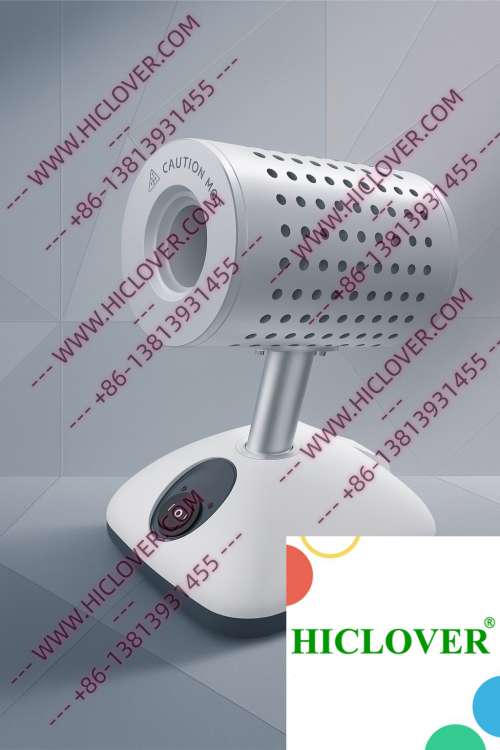
Laboratories face several biosafety challenges, especially when dealing with sensitive samples and pathogens. The traditional methods of sterilization, such as alcohol lamps and Bunsen burners, are often inadequate for certain applications and introduce risks, such as the possibility of uncontrolled flames. As labs transition to environments requiring higher standards of contamination control, the demand for advanced sterilization solutions increases.
Specifically, clean room protocols necessitate methods that minimize aerosol generation and provide a rapid thermal sterilization process. The Micro Incinerator stands out as an ideal solution, particularly for its inherent design that mitigates the risks associated with flame-based sterilization, making it suitable for various applications.
Technical Principles of the Micro Incinerator
The key feature of the Micro Incinerator is its use of infrared heat technology. This sterilization method involves an enclosed ceramic tube that rapidly achieves high temperatures, effectively burning organic materials and ensuring a high level of sterilization. The ceramic heating chamber provides consistent and efficient heating, delivering temperatures in excess of 800°C in mere seconds, thus accomplishing the disinfection process with unparalleled speed.
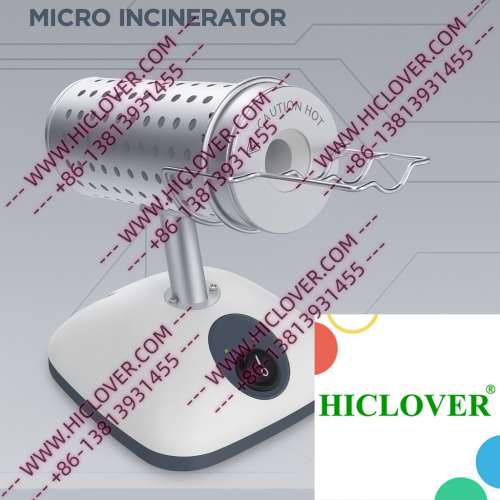
This technology allows for precise control over the application, making it suitable for sterilizing inoculating loops, needles, and other small tools. Unlike traditional burners that experience fluctuations in heat, the Micro Incinerator delivers uniform results while monitoring power consumption, thereby optimizing laboratory workflows.
Application Scenarios
1. Biosafety Cabinets
In BSL-2 and BSL-3 microbiology labs, maintaining sterility is vital to preventing the transmission of pathogens. The Micro Incinerator fits seamlessly into biosafety cabinets, allowing researchers to sterilize tools without exposing the sterile environment to flame hazards. Its compact design enables easy integration into existing lab setups, ensuring rapid sterilization while maintaining an aerosol-free workspace.
2. University Teaching Labs
In educational institutions, the Micro Incinerator can transform laboratory training experiences. Students can efficiently and safely learn the essential practices of inoculation and culture preparation without the dangers associated with open flames. The infrared technology allows the incorporation of high-temperature sterilization into practical demonstrations, fostering an understanding of sterilization practices in a controlled and safe manner.
Compliance and Standards in Laboratory Sterilization
Adhering to biosafety guidelines is crucial in laboratory environments. The World Health Organization (WHO) outlines protocols that laboratories should follow for sterilization processes. Particularly in clean rooms, the use of flame-based sterilizers is discouraged due to the potential for contamination and fire hazards. Compliance with standards such as those set by ISO and ASTM for laboratory surfaces and operations ensures that laboratories not only maintain a safe environment but also protect public health.
“Safety in laboratory operations is not merely a guideline; it’s a necessity for innovation.”
Advantages of Micro Incinerators Over Traditional Flame Sterilizers
The Micro Incinerator offers numerous benefits compared to traditional flame sterilizers, like alcohol lamps and Bunsen burners:
- Rapid Sterilization: Achieves high temperatures quickly, reducing downtime.
- Clean-Bench Safe: Minimal risk of contamination in sensitive environments.
- Aerosol-Free Handling: Substantially lowers the chances of transmitting airborne pathogens.
- Energy Efficient: Lower power consumption compared to gas-based flames.
- User-Friendly Design: Requires no additional setup or complex operation.
Comparison Table: Micro Incinerator vs. Flame Burners
| Feature | Micro Incinerator | Flame Burners |
|---|---|---|
| Temperature Control | High precision | Variable |
| Speed of Sterilization | Seconds | Minutes |
| Aerosol Generation | None | High |
| Safety | High | Variable |
Frequently Asked Questions
What is a Micro Incinerator used for?
A Micro Incinerator is primarily used for the rapid sterilization of inoculating loops, needles, and other small laboratory tools—effectively eliminating contaminants without the use of flames.
How does the infrared technology in the Micro Incinerator work?
The Micro Incinerator utilizes infrared heating that generates high temperatures quickly via an enclosed ceramic tube, ensuring effective sterilization of tools within seconds.
Why is flame sterilization discouraged in clean rooms?
Flame sterilization introduces risks such as aerosol generation and uncontrolled flames, which can compromise sterilized environments and pose safety hazards.
In what types of laboratories is the Micro Incinerator suitable?
The Micro Incinerator is suitable for BSL-2 and BSL-3 labs, university teaching labs, and mobile testing labs, making it versatile across various applications.
How does the Micro Incinerator enhance laboratory workflows?
By providing rapid sterilization and eliminating the risks associated with traditional flame methods, the Micro Incinerator enhances laboratory workflows through greater efficiency and safety.
Conclusion
As laboratories continue to evolve in their quest for safety and efficiency, the Micro Incinerator / Infrared Inoculating Loop Sterilizer is proving to be a game-changer. Its advanced technology facilitates high-temperature sterilization while adhering to stringent biosafety standards. If you’re looking to upgrade your laboratory sterilization practices, consider integrating this innovative solution into your workflow. Feel free to reach out for more information or to discuss how we can assist you in obtaining the best sterilization equipment for your needs.
Categories:
Tags: