
In microbiology, ensuring the sterility of instruments and preventing contamination are paramount. The shift from traditional flame sterilizers to advanced technologies like the Micro Incinerator or Infrared Inoculating Loop Sterilizer represents an evolution in laboratory practices. This article delves into the mechanics of these devices, their application in diverse settings, and compliance with biosafety standards, providing valuable insights for laboratories keen on optimizing sterilization workflows.
The Challenges of Laboratory Biosafety
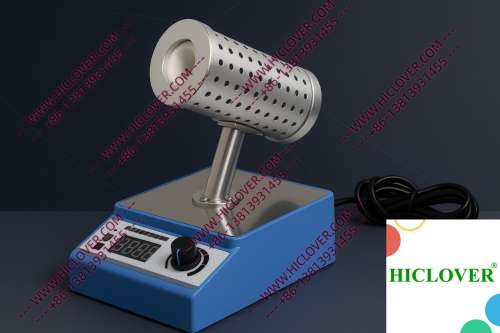
Microbiological labs face numerous challenges in biosafety and contamination control. Traditional methods, such as alcohol lamps and Bunsen burners, pose risks, including flame hazards and aerosol generation. The introduction of the Micro Incinerator, which operates through infrared high-temperature disinfection within a ceramic heating chamber, addresses these challenges effectively. Consequently, microbiologists can achieve rapid thermal sterilization without the risks associated with open flames, facilitating a safer working environment.
Technical Principles of Infrared Loop Sterilizers
The Micro Incinerator utilizes infrared heat emitted from a specially designed ceramic tube. This enclosed system achieves high temperatures quickly, capable of sterilizing inoculating loops in mere seconds. Unlike traditional sterilizers, the Micro Incinerator minimizes the risk of contamination due to its aerosol-free handling method, making it an ideal solution for sensitive microbiological work.
- Rapid Thermal Sterilization: Achieves optimal sterilization within seconds.
- Contamination Control: Eliminates the risk associated with exposed flames.
- Clean-Bench-Safe Design: Maintains sterile environments without disruption.
- Adjustable Temperature Settings: Customizable thermal levels for varying sterilization needs.
- What is the primary advantage of using a Micro Incinerator over traditional flame sterilizers?
The Micro Incinerator provides rapid thermal sterilization, minimizing contamination and enhancing biosafety.
- How does the infrared technology work in the Micro Incinerator?
The device utilizes an enclosed ceramic tube that emits infrared heat, achieving high temperatures necessary for effective sterilization quickly.
- Can the Micro Incinerator be used in field testing labs?
Yes, its portability and ease of operation make it ideal for use in field scenarios where traditional flame methods may not be practical.
- What biosafety standards apply to sterilization equipment?
Manufacturers should comply with WHO recommendations and relevant national health guidelines for laboratory safety.
- Is the Micro Incinerator suitable for BSL-3 environments?
Absolutely; the design and operational principles adhere to the stringent safety protocols required for BSL-3 laboratories.
Applications in Real Labs
1. Biosafety Cabinets
In BSL-2 and BSL-3 microbiology labs, the Micro Incinerator is often used inside biosafety cabinets. In these environments, maintaining a sterile workspace is crucial, and traditional flame sterilizers present a contamination risk. The infrared inoculating loop sterilizer ensures that the inoculating loops are quickly and reliably sterilized without compromising the safe airflow in these cabinets, aligning with strict lab protocols.
2. Field Testing Scenarios
Field testing labs, often operating in remote locations, benefit significantly from the portability and efficiency of the Micro Incinerator. Unlike Bunsen burners, which require fuel sources and careful monitoring, the infrared sterilizer can be activated with the push of a button, providing rapid sterilization away from conventional lab setups. This capability enhances sample integrity while reducing cross-contamination risks in diverse environmental conditions.
Compliance and Environmental Concerns
Adhering to global biosafety standards, such as those recommended by the WHO, is essential for any microbiological lab. The Micro Incinerator complies with the stringent lab sterilization protocols outlined by various health authorities, ensuring that laboratories operate within safe bounds. Furthermore, the elimination of flame in clean rooms prevents potential hazards, creating a safer environment for personnel and practices alike.
Comparison of Micro Incinerator vs. Flame Sterilizers
| Feature | Micro Incinerator | Flame Sterilizer |
|---|---|---|
| Speed of Sterilization | Seconds | Minutes |
| Risk of Contamination | Minimal | High |
| Operational Environment | Clean rooms, biosafety cabinets | Needs open airflow |
| Fuel Requirement | Electric | Gas or alcohol |
| Temperature Control | Adjustable | Variable |
FAQs
Conclusion
As laboratory demands evolve, investing in advanced sterilization technologies is vital for enhancing biosafety and ensuring reliable results. The Micro Incinerator / Infrared Inoculating Loop Sterilizer stands out for its efficiency, safety, and compliance with stringent health regulations. Labs in cities like Boston, New York, and San Francisco, or institutions operating under high biosafety levels, should consider adopting this technology. For further information or to place an order, please contact us today. Embrace the future of sterilization and elevate your laboratory standards with the Micro Incinerator.
Categories:
Tags: