
In modern laboratory settings, the need for effective biosafety practices and sterilization workflows is more critical than ever. Laboratories handling various biological samples must implement stringent protocols to manage contamination risks effectively. Among the tools available for achieving rapid microbial eradication is the Micro Incinerator, also known as the Infrared Inoculating Loop Sterilizer. This device has become essential in sterilization processes across numerous applications, including clinical diagnostics and academic teaching labs.
Technical Principles of Infrared Sterilization
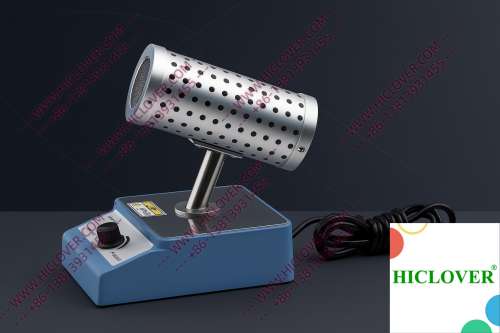
The Micro Incinerator operates on the principle of rapid thermal sterilization, utilizing infrared heat to achieve high-temperature disinfection without the use of open flames. Unlike traditional flame sterilizers such as alcohol lamps and Bunsen burners—which can pose contamination risks and have varied heat distribution—the Micro Incinerator features a unique enclosed ceramic heating chamber. This configuration allows for consistent and effective sterilization of inoculating loops and other small instruments used in laboratories.
- Enclosed Design: Prevents aerosol formation, enhancing safety.
- Efficient Energy Use: Infrared technology ensures rapid heating and cooling.
- Temperature Control: Precise adjustment settings accommodate various sterilization needs.
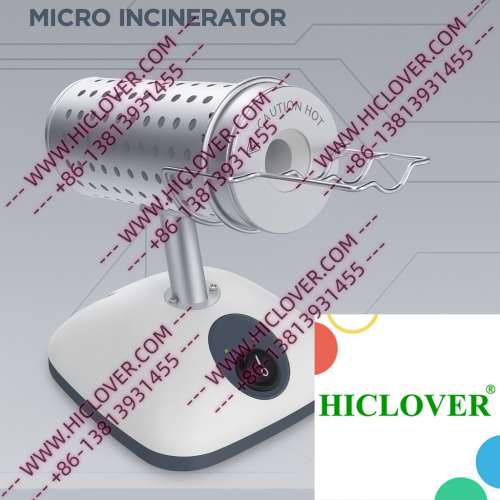
Applications in Laboratory Settings
1. Biosafety Cabinets
In BSL-2 and BSL-3 microbiology labs, maintaining strict contamination control is paramount. The Micro Incinerator is often integrated within biosafety cabinets, providing safe and efficient sterilization of tools during microbiological procedures. The use of an infrared sterilizer minimizes the risk of aerosols spreading pathogens within the working environment, thus protecting both the operators and the samples being handled.
2. University Teaching Labs
In academic environments, teaching labs require tools that not only maintain safety but also enable a seamless learning experience. Using a Micro Incinerator allows students to witness the sterilization process in action, fostering an understanding of safe laboratory practices. It also aids in demonstrating the importance of sterility in microbiological experiments without the dangers posed by traditional flame devices.
Compliance and Environmental Considerations
The Micro Incinerator aligns with global laboratory sterilization standards, including WHO biosafety guidelines, which emphasize the need for reliable sterilization methods in laboratory settings. Furthermore, for laboratories operating within clean-room environments, the implementation of a flame-free sterilizer is critical, as open flames can disrupt airflow and introduce contaminants.
In regions such as California, where stringent air quality regulations exist, using infrared sterilizers not only fulfills safety compliance but also addresses environmental concerns such as aerosol production and emissions from traditional flame sterilization methods.
Comparison: Micro Incinerator vs. Traditional Flame Sterilizers
| Feature | Micro Incinerator | Flame Sterilizers |
|---|---|---|
| Sterilization Method | Infrared heat | Open flame |
| Contamination Risk | Low | High |
| Energy Efficiency | High | Variable |
| Temperature Control | Precise | Variable |
| Operation Environment | Clean room compatible | Disruptive to airflow |
Frequently Asked Questions
What settings are ideal for using the Micro Incinerator?
The Micro Incinerator is perfect for use in BSL-2 or BSL-3 laboratories, teaching labs, and field-testing environments where contamination control is critical.
How does the Micro Incinerator improve biosafety?
By utilizing infrared heat in a closed chamber, the Micro Incinerator significantly reduces the risk of aerosol contamination compared to open flame devices.
Can the Micro Incinerator be used in clean rooms?
Yes, its flame-free operation makes it an excellent choice for clean rooms, where maintaining sterile conditions is crucial.
What are the energy consumption benefits of the Micro Incinerator?
Infrared technology provides rapid heating and cooling, which can lead to energy savings and reduced operational costs in the long run.
Is the Micro Incinerator suitable for mobile laboratories?
Yes, its compact design and reliable sterilization capabilities make it a valuable asset for mobile or field-testing labs.
Conclusion
The Micro Incinerator is more than just a sterilization device; it represents a critical evolution in laboratory safety and efficiency. By choosing infrared sterilization over traditional methods, laboratories can not only ensure compliance with strict guidelines but also enhance their operational workflows. To explore how the Micro Incinerator can elevate your laboratory’s sterilization practices, contact us today for more information.
Categories:
Tags: