
In the ever-evolving landscape of laboratory biosafety, the demand for effective sterilization methods has never been higher. Laboratory professionals continually face challenges regarding contamination control, rapid thermal sterilization, and the stringent requirements set by biosafety regulations. One innovative solution that addresses these needs is the Micro Incinerator, specifically the Infrared Inoculating Loop Sterilizer.
The Technical Principle Behind Micro Incinerators
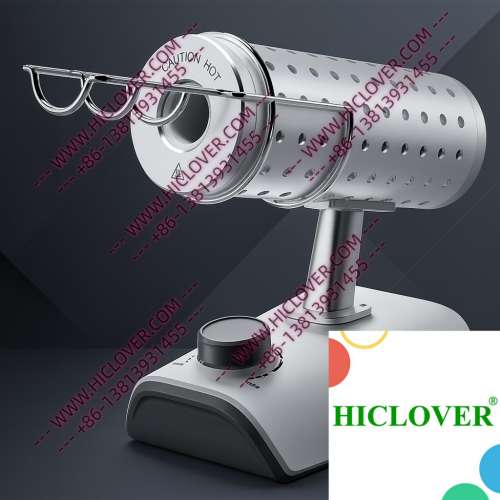
The Micro Incinerator operates on the principle of infrared high-temperature disinfection. Utilizing a closed ceramic heating chamber, the device offers a clean and efficient method for sterilizing inoculating loops and other laboratory tools. The infrared heat generated within the ceramic tube allows for rapid heating while significantly minimizing the risk of flames, ensuring a clean-bench-safe environment.
By eliminating the need for traditional alcohol lamps or Bunsen burners, micro incinerators not only enhance laboratory safety but also streamline sterilization workflows. The enclosed design ensures that harmful aerosols and contamination are not released into the environment, making it an ideal option for BSL-2 and BSL-3 microbiology labs.
Applications in Real Laboratory Scenarios
1. Biosafety Cabinets
Within biosafety cabinets, micro incinerators provide a reliable solution for rapid sterilization of materials without introducing an open flame. This is particularly important in BSL-2 and BSL-3 environments where maintaining a sterile workspace is crucial. The precision heating of the micro incinerator efficiently sterilizes inoculating loops between uses, significantly enhancing the overall workflow.
2. Field Testing Laboratories
In the context of mobile or field testing labs, where equipment must remain portable yet functional, the micro incinerator stands out as an advantageous tool. Its lightweight design and ability to provide quick sterilization make it perfect for operations in rural areas or remote locations, where traditional methods might not be feasible or safe.
Compliance and Environmental Considerations
Today’s laboratories are under constant scrutiny to meet international biosafety and sterilization standards. The World Health Organization (WHO) emphasizes the importance of effective sterilization techniques in laboratories, particularly those working with pathogenic microorganisms. Adopting a micro incinerator aligns with these standards as it eliminates the risks associated with using open flames in clean rooms.
Moreover, the Micro Incinerator has been designed with an eye towards sustainability. It operates on electricity rather than gasoline or gas, thus reducing the environmental impact associated with traditional flame sterilizers. Consequently, laboratories can ensure compliance with global sterilization standards while contributing to environmental conservation efforts.
Advantages Over Traditional Flame Sterilizers
- Enhanced Safety: No open flames reduce the risk of fire hazards.
- Rapid Sterilization: Infrared technology allows for quick turnaround times.
- Environmentally Friendly: Electric operation minimizes the carbon footprint.
- Aerosol-Free Handling: Enclosed design eliminates the risk of contamination through aerosols.
Micro Incinerator vs. Flame Sterilizers: A Comparison Table
| Feature | Micro Incinerator | Flame Sterilizer |
|---|---|---|
| Operation | Infrared heating, electric | Open flame, gas-based |
| Safety | Safe, aerosol-free | Risk of fire, requires caution |
| Sterilization Speed | Rapid | Moderate |
| Environmental Impact | Low | Higher due to gas use |
Frequently Asked Questions
- What is the lifespan of a Micro Incinerator?
The average lifespan can vary, but well-maintained units can last for many years, often exceeding five years with consistent use.
- Are Micro Incinerators compliant with WHO standards?
Yes, they are designed to meet international standards for laboratory sterilization and biosafety, ensuring reliable operation.
- Can I use a Micro Incinerator in a BSL-3 lab?
Absolutely! These devices are suitable for use in various laboratory environments, including BSL-2 and BSL-3 labs.
- Do Micro Incinerators require special maintenance?
Minimal maintenance is required; regular cleaning and inspection of the heating chamber can prolong its lifespan.
- What materials can I sterilize with a Micro Incinerator?
It is primarily designed for sterilizing inoculating loops but can also handle other metal instruments used in microbiological applications.
Conclusion
Micro incinerators represent a significant advancement in laboratory sterilization equipment, addressing numerous biosafety challenges faced by veterinary and other laboratories today. By combining safety, efficiency, and compliance with sterilization standards, these innovative devices are essential for modern laboratory operations. Whether you’re in a BSL-2 microbiology lab or conducting field research, investing in a Micro Incinerator will provide significant benefits to your workflow.
For more information or to ask about purchasing options, please contact us today!
Categories:
Tags: