
Laboratories around the globe face significant challenges in managing biosafety and contamination control. The efficiency of sterilization workflows is crucial, especially in sensitive environments such as BSL-2 and BSL-3 microbiology labs, clinical diagnostics, and university teaching labs. With a growing emphasis on eco-friendliness, Austria has been at the forefront of adopting innovative solutions like the Micro Incinerator, particularly the Infrared Inoculating Loop Sterilizer, as an effective means of waste treatment and sterilization.
Technical Principles of Micro Incinerators
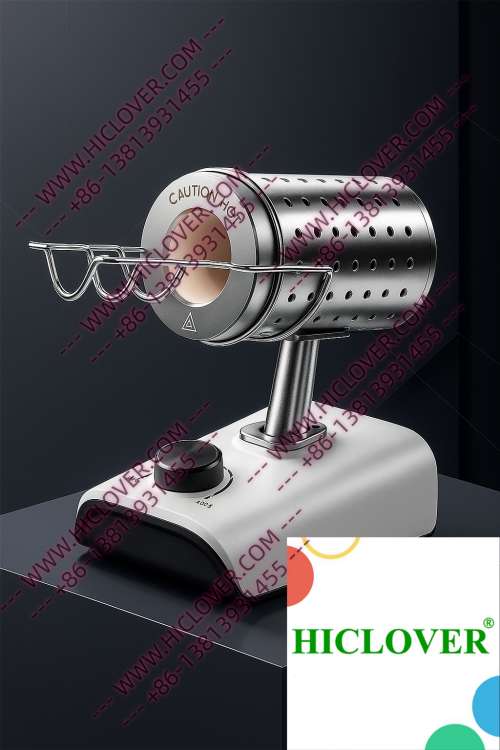
The Micro Incinerator operates on the principle of rapid thermal sterilization using infrared heat. This modern sterilization equipment features an enclosed ceramic heating chamber that ensures high-temperature disinfection while minimizing energy consumption. Unlike traditional methods such as Bunsen burners or alcohol lamps that can emit hazardous flames, the Micro Incinerator is designed for safe, clean-bench handling, making it ideal for fulfilling laboratory sterilization demands.
Some key technical specifications include:
- Infrared Technology: Provides instant and uniform heating for effective sterilization.
- Compact Design: Allows for easy integration into laboratories with limited space.
- Aerosol-free Handling: Reduces risk of airborne contamination during sterilization processes.
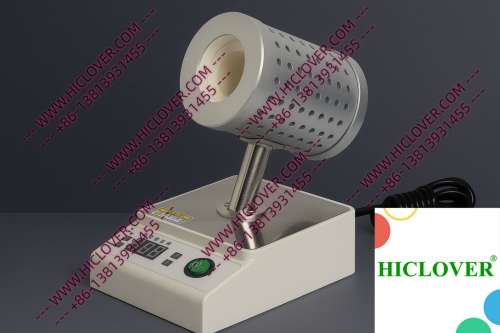
Applications of Micro Incinerators in Laboratory Settings
Micro Incinerators demonstrate significant advantages across various laboratory environments. Here are two practical application scenarios:
1. Biosafety Cabinets
In BSL-2 and BSL-3 microbiology labs, maintaining a contamination-free environment is essential. The Micro Incinerator can be utilized within biosafety cabinets to sterilize inoculating loops, needles, and other tools immediately after use. This closed system ensures that the heat applied does not disturb the airflow within the cabinet, preserving the sterility of the workspace. Furthermore, its rapid heating capability means that researchers can maintain their workflow without delay.
2. Field Testing Laboratories
Mobile labs stationed in the field for rapid testing can greatly benefit from a Micro Incinerator. In scenarios where open flames are prohibited or not practical due to safety hazards, such as in refugee camps or during natural disasters, the infrared sterilizer provides a portable solution for sterilization. Additionally, its lightweight and compact design facilitate transportation, making it an invaluable tool for field researchers.
Compliance and Environmental Considerations
Compliance with global biosafety and lab sterilization standards is imperative for all laboratories. The World Health Organization (WHO) outlines stringent guidelines to ensure worker safety and environment-friendly practices. One crucial aspect of these guidelines is the recommendation against open flames in clean rooms and other sensitive areas.
The Micro Incinerator aligns with these compliance requirements by eliminating the risks associated with flame sterilization. It maintains a high standard of operation without the risk of igniting flammable materials commonly found in laboratory settings. Moreover, by reducing reliance on traditional flame sterilizers, laboratories contribute to lower carbon emissions and uphold environmentally sustainable practices.
Comparative Analysis: Micro Incinerators vs. Traditional Flame Sterilizers
| Feature | Micro Incinerator | Flame Sterilizers |
|---|---|---|
| Safety | Low risk, no flame | High risk, open flame |
| Efficiency | Rapid sterilization | Variable, requires preparation |
| Contamination Control | Aerosol-free operation | Potential for cross-contamination |
| Energy Consumption | Low and efficient | High during operation |
Frequently Asked Questions
1. What is the main advantage of using a Micro Incinerator over a Bunsen burner?
The primary advantage lies in its safety profile; Micro Incinerators have no open flame, greatly reducing the risk of combustion and cross-contamination.
2. Can the Micro Incinerator be used in field laboratories?
Yes, due to its compact and portable design, the Micro Incinerator is suitable for use in mobile laboratories and field conditions.
3. Is the Micro Incinerator compliant with WHO biosafety standards?
Absolutely. The Micro Incinerator meets WHO guidelines by providing a safe method of sterilization without open flames, essential for many laboratory environments.
4. How does the infrared heating work in the Micro Incinerator?
The Micro Incinerator uses infrared technology to generate heat that ensures uniform and rapid sterilization of lab tools, achieving high temperatures in seconds.
5. What types of labs can benefit from using a Micro Incinerator?
Biosafety labs, clinical diagnostics, teaching labs, and field testing environments can all greatly benefit from the efficiency and safety of a Micro Incinerator.
Conclusion
Embracing modern technologies such as Micro Incinerators significantly advances the safety and efficiency of laboratory sterilization processes. As Austria sets an example with its eco-friendly waste treatment approaches, laboratories worldwide can enhance their workflows while adhering to strict compliance standards. For those looking to upgrade their laboratory sterilization equipment to a safer, more efficient solution, consider contacting your local distributor to inquire about the Micro Incinerator / Infrared Inoculating Loop Sterilizer today.
Categories:
Tags: