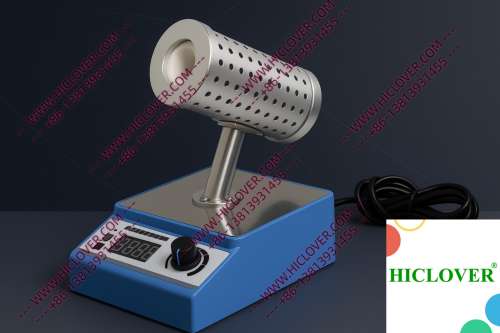
In labs across Tanzania, scientists and technicians face the ongoing challenge of maintaining biosafety standards while ensuring effective sterilization processes. Amid growing concerns over laboratory waste and contamination risks, particularly in BSL-2 and BSL-3 microbiology settings, traditional methods of sterilization are being re-evaluated. Enter the Micro Incinerator, or Infrared Inoculating Loop Sterilizer, a groundbreaking solution that meets both sterilization workflow demands and environmental sustainability goals.
The Technical Principle of Micro Incinerators
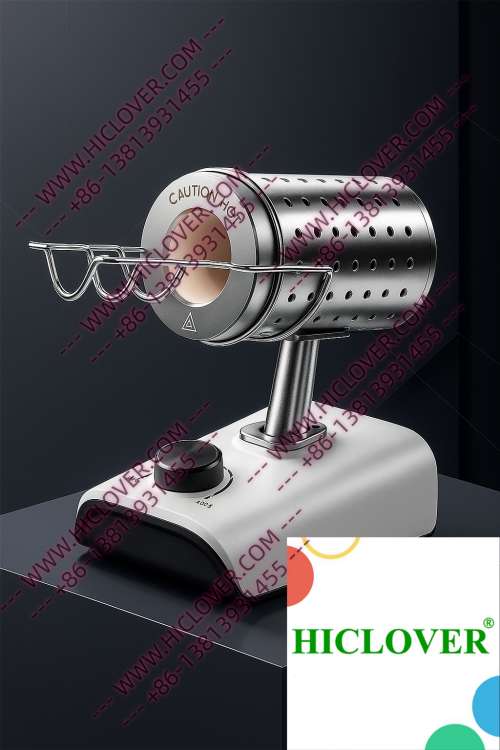
Micro Incinerators utilize rapid thermal sterilization through an enclosed ceramic tube that generates infrared heat. Unlike conventional flame sterilizers, such as Bunsen burners or alcohol lamps, which can pose risks of aerosolization and dangerous open flames, Micro Incinerators provide a clean-bench-safe solution for effective sterilization. The infrared high-temperature disinfection method is designed to kill microbes quickly and efficiently while minimizing the potential for additional contamination during the process.
Applications of Micro Incinerators in Modern Laboratories
Micro Incinerators serve a variety of purposes across different laboratory environments, making them a versatile asset for high-standard facilities. Here are two notable scenarios:
1. Biosafety Cabinet Operations
In clinical diagnostics and research laboratories where biosafety is paramount, Micro Incinerators can be integrated into biosafety cabinets. Their enclosed design minimizes the risk of airborne pathogens being released during sterilization, ensuring that the operator’s health is safeguarded while maintaining a sterile environment.
2. Field Testing and Education
Micro Incinerators are also invaluable in mobile or field testing labs, where electricity might be scarce. Their compact size and efficient operation make them ideal for educational institutions and NGOs conducting outreach programs, enabling safe sterilization of tools on-site without reliance on conventional electricity sources.
Compliance with Sterilization Standards
The increasing adoption of Micro Incinerators in labs aligns closely with WHO biosafety guidelines and lab sterilization standards. Regulatory bodies emphasize the importance of adopting technologies that ensure contaminant control and enhance safety standards. Micro Incinerators not only comply with these guidelines by reducing the risk of flames in clean rooms but also contribute to sustainable practices. By eliminating traditional combustion methods, these devices significantly reduce laboratory emissions, making them a responsible choice for environmental conservation.
Comparison: Micro Incinerators vs. Traditional Flame Sterilizers
| Feature | Micro Incinerator | Traditional Flame Sterilizers |
|---|---|---|
| Mode of Operation | Infrared heat, enclosed ceramic tube | Open flame (Bunsen burner, alcohol lamp) |
| Safety | Reduced risk of flames and aerosols | Risk of accidental fires and aerosol release |
| Efficiency | Rapid thermal sterilization | Time-consuming direct heating |
| Environmental Impact | Low emissions | Higher emissions due to combustion |
Frequently Asked Questions
- What is the main advantage of using a Micro Incinerator in a laboratory?
The primary advantage lies in its ability to provide rapid thermal sterilization without the risks associated with open flames, making it safer for laboratory environments. - Are Micro Incinerators suitable for field testing?
Yes, Micro Incinerators are compact and efficient, making them perfect for mobile labs and field testing applications. - How do Micro Incinerators comply with biosafety standards?
They adhere to WHO guidelines by offering a safer alternative to flame sterilizers, minimizing contamination through aerosol-free handling. - Can Micro Incinerators be used in cleanroom environments?
Absolutely; their design eliminates the risks of open flame operations, complying with cleanroom safety requirements. - What types of labs can benefit from Micro Incinerators?
Micro Incinerators are beneficial in BSL-2 and BSL-3 labs, clinical diagnostics, educational facilities, and even mobile field-testing scenarios.
Conclusion
As Tanzania strives towards sustainable development goals, adopting technologies like the Micro Incinerator offers significant benefits in laboratory settings. This innovative equipment enhances biosafety, promotes environmental sustainability, and improves the efficiency of sterilization workflows. Organizations looking to invest in high-quality laboratory sterilization equipment should consider taking the leap towards this modern solution. Contact us today for more information or to place an order!
Categories:
Tags: