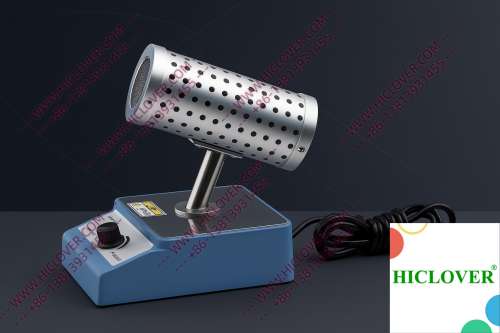
The role of sterilization in laboratory settings is paramount. Experts in the field face ongoing biosafety challenges, where contamination control is critical to ensure accurate results and a safe working environment. The proper sterilization method is vital for laboratories, educational institutions, and healthcare facilities alike. This article focuses on a revolutionary solution to these challenges: the Micro Incinerator / Infrared Inoculating Loop Sterilizer. We will examine its technical principles, applications in various scenarios, compliance with biosafety standards, and the costs associated with this essential laboratory equipment.
Technical Principle of the Micro Incinerator
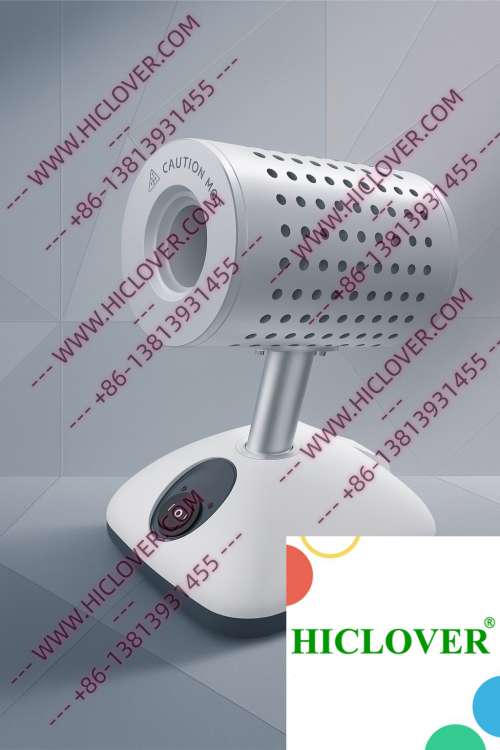
The Micro Incinerator operates on the principles of rapid thermal sterilization using infrared heat. Unlike traditional flame sterilizers, such as Bunsen burners and alcohol lamps, the Micro Incinerator features a closed ceramic heating chamber that generates high temperatures, ensuring comprehensive disinfection without the risk of flame-induced environmental hazards. The infrared technology allows for quick heating, reaching optimal temperatures to achieve thorough inoculating loop sterilization within seconds.
This design mitigates the generation of aerosols, making it compatible with clean bench environments where contamination could compromise experimental results. This enclosed system significantly reduces the presence of smoke and toxic fumes, addressing the critical need for a clean and safe laboratory atmosphere.
Applications in Real Laboratory Settings
Biosafety Cabinets
In biosafety level 2 (BSL-2) and BSL-3 microbiology labs, where work involves potentially pathogenic organisms, the Micro Incinerator is an indispensable tool. Its compact design allows for easy integration within biosafety cabinets. Researchers can quickly sterilize inoculating loops or other tools without introducing open flames that could jeopardize the sterile environment.
Field Testing and Teaching Labs
Field testing laboratories, where mobility and efficiency are paramount, benefit greatly from the Micro Incinerator. Its lightweight and portable design facilitates use in diverse settings, providing rapid sterilization while working near specimens. Moreover, in university teaching labs, instructors can demonstrate proper sterilization techniques without the risks associated with flame-based systems. This feature enhances the educational experience, teaching students safe practices from the outset.
Compliance and Environmental Considerations
Adhering to biosafety standards set by organizations such as the WHO is crucial. The Micro Incinerator aligns with numerous sterilization standards, making it a compliant choice for laboratories aiming for higher safety protocols. Traditional flame systems often release combustion byproducts into the air, which can pose a risk in clean environments. The Micro Incinerator, by contrast, operates without creating harmful aerosols and is flame-free, making it suitable for cleanroom conditions.
By investing in such sterilization equipment, facilities can adhere to regulatory requirements while providing safer working conditions for laboratory personnel. This ultimately fosters a culture of biosafety and promotes innovation in research and diagnostics.
Cost and Market Needs in Yangon
The cost of hospital loop sterilizers, particularly the Micro Incinerator, can vary based on features, supplier, and region. In Yangon, demand for reliable laboratory sterilization equipment is increasing due to growing healthcare and research facilities. Below is a basic cost breakdown:
- Basic Micro Incinerator: $300 – $600
- Advanced models with programmable features: $700 – $1,200
- Maintenance costs: $50 – $100 annually
Investing wisely in sterilization equipment is crucial for maintaining high standards in laboratory operations. The initial cost tends to be outweighed by the benefits of reduced risks and increased efficiency over time.
Advantages of Micro Incinerators Over Traditional Flame Sterilizers
| Feature | Micro Incinerator | Flame Sterilizer |
|---|---|---|
| Safety | Flame-free operation | Open flame risks |
| Speed | Rapid sterilization (seconds) | Variable sterilization times |
| Aerosol-Free Handling | Yes | No |
| Environmental Compatibility | Ideal for clean rooms | Can contaminate environment |
| Ease of Use | Ergonomic design | Requires open flame management |
FAQs
1. What are the primary benefits of using a Micro Incinerator in the lab?
The Micro Incinerator offers rapid thermal sterilization, enhanced safety through flame-free operation, and compatibility with clean environments, making it ideal for various laboratory scenarios.
2. How does infrared heat work in a Micro Incinerator?
Infrared heat generates a high-temperature environment within the ceramic chamber, allowing for quick sterilization without the hazards associated with open flames.
3. Is the Micro Incinerator cost-effective in the long run?
Yes, while the initial investment may be higher than traditional flame systems, the long-term advantages in safety, efficiency, and compliance with biosafety regulations make it a more economical choice.
4. Can I use the Micro Incinerator in a field testing laboratory?
Absolutely! Its portable design and rapid operation make it an excellent choice for mobile laboratory settings and field tests.
5. What maintenance does a Micro Incinerator require?
Regular cleaning of the ceramic heating chamber and periodic inspection of electrical components are essential for maintaining optimal performance.
Conclusion
In conclusion, the Micro Incinerator / Infrared Inoculating Loop Sterilizer presents a revolutionary shift in laboratory sterilization practices in Yangon. With its innovative technology and numerous advantages over traditional flame sterilization methods, labs can significantly enhance their biosafety and workflow efficiency. Investing in such sterilization equipment not only promotes a safer working environment but pays dividends in research quality and operational costs. For inquiries or to make a purchase, please reach out to your local laboratory supply distributor today!
Categories:
Tags: