
In modern laboratories, maintaining biosafety while ensuring effective sterilization workflows is paramount. As laboratories face increasing biohazard risks associated with microbial cultures and hazardous waste, the demand for reliable sterilization solutions has never been higher. Traditional methods often fall short, prompting labs to seek innovative alternatives that promise efficiency, compliance, and safety. One such groundbreaking solution is the Micro Incinerator, particularly the Infrared Inoculating Loop Sterilizer, which operates at temperatures reaching 950°C.
Key Technical Principles of Micro Incinerators
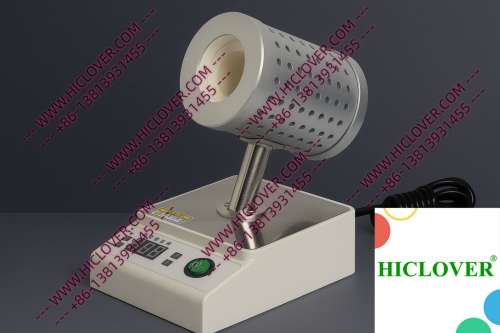
Micro Incinerators utilize advanced infrared heat technology that delivers rapid thermal sterilization. This compact, efficient device features an enclosed ceramic heating chamber, ensuring that target instruments are subjected to high temperatures while minimizing contamination from outside environments. The infrared heating not only allows for swift sterilization but also reduces energy consumption compared to traditional flame-based sterilizers.
- High Efficiency: With peak temperatures of 950°C, microbial load is effectively eradicated in seconds.
- Aerosol-free Handling: Minimizes the risk of airborne contamination during sterilization.
- Clean-Bench-Safe: Ideal for use within cleanroom environments.
Practical Applications of Micro Incinerators in Laboratories
1. Use in BSL-2 and BSL-3 Microbiology Labs
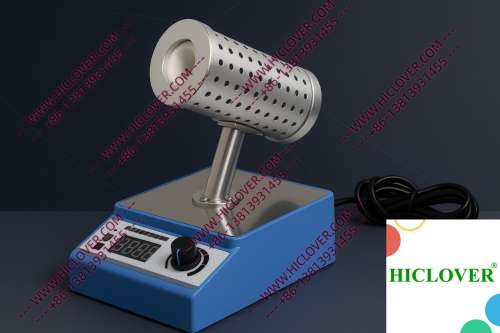
In BSL-2 and BSL-3 microbiological laboratories, where stringent biosafety measures are critical, Micro Incinerators are transforming sterilization protocols. They provide rapid sterilization for inoculating loops and other instruments without the potential hazards associated with open flames. The absence of flames makes them an ideal choice for labs where biological safety cabinets are in use, as they significantly lower the risk of creating aerosols.
2. Field Testing and Clinical Diagnostics
In the field, particularly in remote locations where access to traditional sterilization facilities may be limited, the portability and efficiency of Micro Incinerators shine. Laboratories conducting mobile or field testing, such as those with clinical diagnostics capabilities, benefit from the lightweight design and high-temperature sterilization. This ensures samples remain uncontaminated and results are reliable, vital for accurate diagnostics in varying environments.
Compliance and Environmental Considerations
The implementation of the Micro Incinerator aligns with global biosafety standards, including those set by the WHO. These standards emphasize that laboratories must minimize hazardous waste and maintain safe operating environments, particularly where chemical sterilization methods might pose risks. Unlike traditional flame sterilizers, Micro Incinerators meet cleanroom requirements by eliminating open flames and reducing the chemical footprint.
Moreover, with increasing scrutiny on environmental impacts, the Micro Incinerator represents a step towards sustainable laboratory practices. By providing an energy-efficient alternative and reducing hazardous waste generation, it supports compliance with environmental regulations while ensuring optimal contamination control.
Advantages Over Traditional Flame Sterilizers
When comparing Micro Incinerators to traditional flame sterilizers like alcohol lamps and Bunsen burners, several advantages become apparent:
| Feature | Micro Incinerator | Traditional Flame Sterilizers |
|---|---|---|
| Efficiency | Up to 950°C; rapid sterilization | Variable temperature; slower process |
| Safety | No open flames; aerosol-free | Open flames; risk of splatter and fire hazards |
| Environmental Impact | Energy-efficient; reduced waste | Higher energy consumption; contributes to chemical waste |
Frequently Asked Questions
1. How does the Micro Incinerator differ from traditional sterilizers?
Micro Incinerators operate at significantly higher temperatures, providing quick and safe sterilization without flames, thus reducing risks associated with traditional methods.
2. Can the Micro Incinerator be used in field testing?
Yes, its portability and efficiency make it an excellent choice for field testing and clinical diagnostics, especially in remote locations.
3. Are there specific laboratories where the Micro Incinerator is particularly recommended?
They are ideal for BSL-2 and BSL-3 microbiology labs, as well as clinical and university teaching labs due to their high safety standards.
4. Is there compliance with international safety standards?
Yes, the Micro Incinerator complies with WHO biosafety standards and is suitable for use in cleanroom environments.
5. What maintenance is required for the Micro Incinerator?
Regular cleaning of the ceramic heating chamber is recommended to maintain optimal performance and ensure longevity of the device.
Conclusion
In conclusion, the 950°C Micro Incinerator serves as an invaluable tool in modern waste management and laboratory sterilization. With its robust technology, safety features, and compliance with biosafety standards, it not only enhances operational efficiency but also supports environmental sustainability. For laboratories looking to upgrade their sterilization processes, investing in a Micro Incinerator could significantly improve workflow and safety standards. Contact us today to learn more about integrating this essential sterilization equipment into your laboratory.
Categories:
Tags: