
Laboratories are bastions of research and scientific advancement, yet they face relentless biosafety challenges that demand rigorous sterilization workflows. Contamination control is paramount, especially in sensitive environments like BSL-2 and BSL-3 microbiology labs, where the risk of pathogen exposure can be significant. To safeguard research integrity and laboratory personnel, the adoption of advanced sterilization technology is not just recommended—it’s essential. Among these technologies, flameless sterilization systems like the Micro Incinerator or Infrared Inoculating Loop Sterilizer provide a safe, efficient, and effective alternative to traditional flame sterilizers.
Technical Principles: How Flameless Loop Sterilizers Work
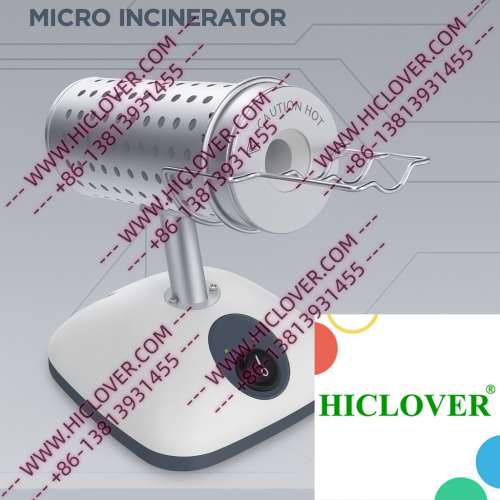
The heart of flameless sterilization lies in advanced thermal technologies that employ infrared heat for rapid thermal sterilization. Unlike conventional flame-based methods such as alcohol lamps or Bunsen burners, the Micro Incinerator utilizes an enclosed ceramic heating chamber that produces targeted high temperatures without the risk of open flames. This design ensures a clean, controlled environment for sterilizing inoculating loops and other lab tools crucial in microbiological practices.
Infrared heated sterilizers generate heat energy that is absorbed directly by the instruments, achieving the necessary temperatures for effective disinfection within seconds. The absence of exposed flames minimizes the potential for accidents, particularly crucial in cleanroom settings where aerosol-free handling is critical. The infrared structure allows for uniform heat distribution, ensuring thorough sterilization across all surfaces of the instruments.
Applications of Micro Incinerators in Real Labs
Field Testing Laboratories
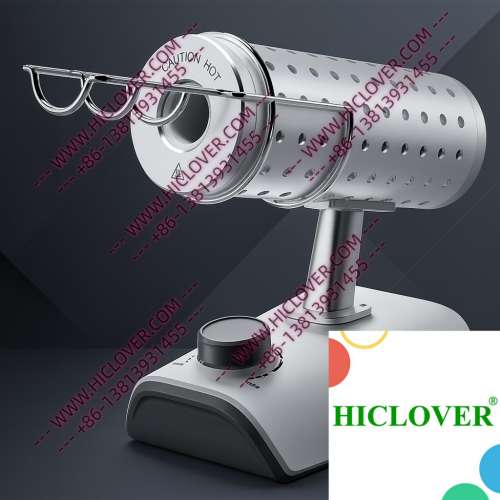
In mobile or field testing labs, such as those utilized during outbreak investigations or environmental assessments, speed and portability are vital. The compact design of the Micro Incinerator allows it to be easily transported and set up in diverse locations. As collections of soil or water samples may require immediate processing and analysis, these sterilizers guarantee that inoculating loops are quickly and reliably sterilized on-site, avoiding cross-contamination and preserving sample integrity.
University Teaching Laboratories
In educational settings, where teaching labs serve as the backbone of microbiology training, the safe operation of sterilization devices is paramount. Students learn sterile techniques with real-world applications, and the Micro Incinerator enhances their learning experience. Unlike Bunsen burners, which require constant monitoring, the infrared sterilizer promotes a safer learning environment, reducing the risk of burns and accidents while offering an effective solution for disinfecting tools used in culture work.
Compliance and Environmental Considerations
Compliance with biosafety policies established by organizations such as the World Health Organization (WHO) and adherence to laboratory sterilization standards is crucial. The nature of cleanroom operations makes it essential to eliminate open flames that can generate aerosols or contribute to contamination. In this context, the Micro Incinerator stands as a compliant solution, providing high-temperature disinfection without compromising environmental or laboratory integrity.
Traditional flame-based sterilizers can pose risks, including the emission of harmful by-products and the need for extensive ventilation to offset fire hazards. In contrast, flameless sterilizers utilize electric heating technologies to provide a controlled thermal environment, ensuring a better safety profile and reduced environmental impact.
Micro Incinerator Vs. Traditional Flame Sterilizers
| Feature | Micro Incinerator | Flame Sterilizers |
|---|---|---|
| Flame Exposure | No | Yes |
| Speed of Sterilization | Seconds | % Longer Time |
| Heat Source | Infrared Radiation | Combustion |
| Cleanroom Safety | High | Low |
| Portability | High | Moderate |
Frequently Asked Questions
- What is the main advantage of a Micro Incinerator over traditional sterilizers?
The key advantages are rapid sterilization, reduced risk of contamination, and improved safety in vitro environments. - How quickly can I sterilize inoculating loops using an infrared sterilizer?
Most Micro Incinerators can achieve sterilization within just a few seconds. - Can a Micro Incinerator be used in a biosafety cabinet?
Yes, the flameless design makes it suitable for biosafety cabinets and controlled laboratory environments. - Is it energy-efficient?
Yes, infrared sterilizers have a low energy consumption rate while providing effective sterilization. - What types of labs benefit most from using flameless sterilizers?
Clinical diagnostics, university teaching labs, BSL-2/BSL-3 labs, and mobile testing facilities all benefit from enhanced biosafety and operational efficiency.
Conclusion
For laboratories confronting contamination challenges and seeking to elevate their sterilization practices, embracing the Micro Incinerator/Infrared Inoculating Loop Sterilizer is a forward-thinking choice. This innovative sterilization equipment not only fulfills regulatory compliance but also optimizes safety and efficiency in laboratory workflows. Investing in such advanced solutions sets the stage for future scientific endeavors and enhances overall laboratory sustainability.
Ready to take the next step in ensuring effective sterilization in your lab? Contact us for more information on our high-quality Micro Incinerator options tailored to your laboratory needs.
Categories:
Tags: