
In the world of laboratory research, maintaining strict biosafety protocols is paramount. Whether you’re working in a BSL-2 microbiology lab, a clinical diagnostics facility, or a university teaching lab, the ability to effectively sanitize tools and prevent contamination is essential. Traditional sterilization methods, such as alcohol lamps and Bunsen burners, inherently pose numerous challenges, leading to a growing preference for advanced alternatives like the Micro Incinerator or Infrared Inoculating Loop Sterilizer. This article delves into the science driving these innovative sterilizers, their applications, compliance standards, and how they can improve laboratory workflows.
Challenges in Laboratory Sterilization
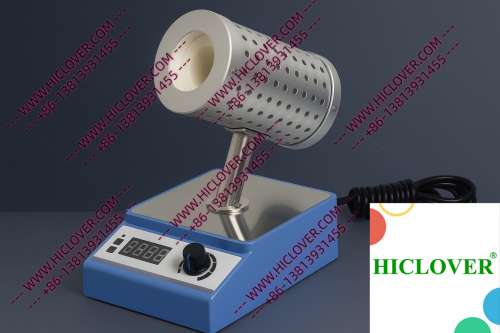
Laboratories face various sterilization challenges, including the risk of cross-contamination, the production of aerosols, and inefficient flame management. Traditional flame sterilizers often introduce a range of hazards. For instance, their open flames can create an unsafe environment, especially in clean rooms where the introduction of particulates must be minimized. In addition, traditional methods are slow and can lead to ineffective sterilization if not monitored closely. Consequently, there is a high demand for more efficient and secure sterilization solutions such as the Micro Incinerator Sterilizer.
Technical Principles of Micro Incinerators
The Micro Incinerator utilizes rapid thermal sterilization via an enclosed ceramic heating chamber that achieves high infrared temperatures. This technology works through the principle of infrared heat, which directly targets contaminants on inoculating loops or other lab instruments, effectively rendering them sterile without the risks associated with flames. The ceramic tube design ensures that temperatures remain consistent and controlled, enabling a swift and effective disinfection process.
Advantages Over Traditional Flame Sterilizers
When comparing the Micro Incinerator with traditional flame sterilizers, several advantages emerge:
- Rapid action: Achieves sterilization in seconds, rather than the minutes required by other methods.
- No open flame: Reduces the risk of ignition and enhances lab safety.
- Consistent results: Provides uniform heating, resulting in reliable sterilization.
- Aerosol-free handling: Minimizes the risk of generating aerosols, thus adhering to stricter biosafety standards.
Application Scenarios
Micro Incinerators find diverse applications across laboratory settings:
1. University Teaching Laboratories
In educational environments, such as university teaching labs, the Micro Incinerator allows students to focus on their experiments without the distractions of managing an open flame. Students can quickly and safely sterilize inoculating loops and other tools, thereby improving the educational experience and ensuring confidence in their techniques.
2. BSL-2 and BSL-3 Microbiology Labs
For BSL-2 and BSL-3 labs dealing with pathogenic organisms, the Micro Incinerator enhances compliance with biosafety requirements. The absence of an open flame aligns with safety protocols, ensuring that personnel can work efficiently without the fear of accidental fires or contamination caused by aerosolized pathogens.
Compliance and Environmental Considerations
Compliance with established biosafety standards is non-negotiable in laboratory environments. The World Health Organization (WHO) and various regulatory agencies delineate safety protocols that must be followed. These may include:
- Ensuring that sterilization methods do not produce aerosols.
- Maintaining a clean-bench-safe environment.
- Following laboratory sterilization standards such as ANSI/AAMI ST79.
By using a Micro Incinerator, laboratories can not only meet these requirements but also promote a safer work environment and reduce the overall environmental impact of sterilization processes.
Frequently Asked Questions
What are the main benefits of using a Micro Incinerator in laboratories?
The Micro Incinerator significantly reduces the risk of contamination by eliminating aerosol production and providing rapid, consistent sterilization without the hazards associated with open flames.
How does the Micro Incinerator compare to traditional sterilization methods?
Unlike traditional flame sterilizers, the Micro Incinerator offers quick sterilization, enhanced safety features, and superior control over sterilization conditions, making it a preferred choice in modern labs.
Where can I utilize the Micro Incinerator in a lab setting?
This device is widely applicable in microbiology labs, clinical diagnostics, university teaching labs, and even in field testing scenarios, enhancing biosafety wherever it is employed.
Are there specific safety protocols I should follow when using a Micro Incinerator?
While the Micro Incinerator is designed with safety in mind, it’s essential to follow manufacturer guidelines and adhere to your laboratory’s standard operating procedures (SOPs) regarding equipment use.
How does the Micro Incinerator contribute to environmental sustainability?
By eliminating open flames and reducing wasted resources, the Micro Incinerator promotes a safer and more environmentally sustainable lab environment compared to traditional flame sterilizers.
Conclusion
Understanding the science behind biosafety workstation sterilizers, particularly the Micro Incinerator, illuminates their essential role in modern laboratory environments. By investing in this state-of-the-art sterilization equipment, research facilities, universities, hospitals, and NGOs not only enhance their safety protocols but also streamline their workflows. If you’re considering upgrading your sterilization methods, connect with us today for further details on the Micro Incinerator and how it can benefit your laboratory’s operations.
Categories:
Tags: