
In the ever-evolving field of laboratory biosafety, ensuring the sterilization of tools and equipment is paramount. Traditional methods of sterilization, such as Bunsen burners or alcohol lamps, introduce risks that can compromise not only the integrity of scientific results but also the safety of lab personnel. With the rise of advanced sterilization equipment like Micro Incinerators or Infrared Inoculating Loop Sterilizers, laboratories can maintain a high standard of contamination control while fostering a safer working environment.
The Technical Principles of Flameless Ceramic Heating
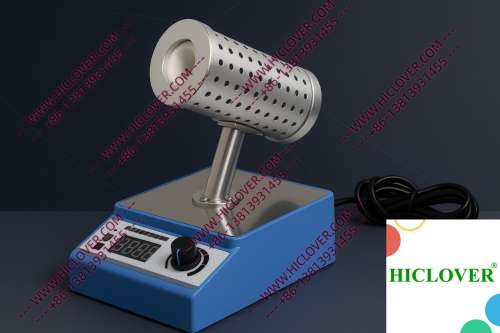
Micro Incinerators utilize infrared heat through an enclosed ceramic tube designed to provide rapid thermal sterilization. This design enables the sterilization of inoculating loops and other metal tools by effectively disinfecting them at high temperatures without the risks associated with open flames. The infrared high-temperature disinfection effectively kills microorganisms, making it an essential tool for clinical diagnostics, BSL-2, and BSL-3 microbiology labs.
Advantages of Micro Incinerators Over Traditional Flame Sterilizers
- Safety: Reduces fire hazards significantly.
- Efficiency: Rapid heating and cooling cycles
- Contamination Control: Aerosol-free handling enhances the purity of samples.
- Clean-room Compatibility: Ideal for use in clean benches and biosafety cabinets.
- Easy Operation: Plug-and-play usage without the need for complex setup.
Application Scenarios In Real Laboratories
Micro Incinerators can be effectively utilized in various laboratory settings:
1. University Teaching Labs
In academic environments, instructors rely on strong sterilization techniques for microbiology courses. As students learn to handle cultures, employing an Infrared Inoculating Loop Sterilizer ensures that students practice contamination control principles. These devices provide consistent, reliable results while minimizing risks associated with open flames, ultimately allowing instructors to focus on teaching rather than safety concerns.
2. Clinical Diagnostics
In diagnostic laboratories, where precision and cleanliness are crucial, Micro Incinerators have become a go-to instrument. The flameless ceramic heating design allows technicians to sterilize tools quickly without the overhead associated with traditional burners. When performing bacteriological tests, lab professionals can ensure that sterilization is done efficiently, minimizing any risk of cross-contamination during sample analysis.
Biosafety Compliance in Lab Sterilization
Micro Incinerators also comply with stringent biosafety regulations set forth by the World Health Organization (WHO). Utilizing advanced sterilization technologies not only meets laboratory standards but also significantly reduces risks of contamination in clean rooms and other high-stakes experimental environments. Regulations necessitate that all labs implement methods that reduce fire hazards and protect the health of personnel, making flameless sterilizers an ideal choice.
Table: Micro Incinerator vs. Traditional Flame Burners
| Feature | Micro Incinerator | Flame Burner |
|---|---|---|
| Fire Hazard | Low | High |
| Efficiency | Rapid | Moderate |
| Aerosol Control | Yes | No |
| Cleanroom Compatibility | Yes | Limited |
| Operational Complexity | Simple | Complex |
Frequently Asked Questions (FAQs)
What is the operating temperature of a Micro Incinerator?
The operating temperature typically ranges between 800°C to 1000°C, providing effective sterilization in a matter of seconds.
Can Micro Incinerators be used in field testing labs?
Yes, their portability and efficiency make them ideal for mobile labs that require rapid sterilization solutions during field testing.
Are Micro Incinerators suitable for use in BSL-3 labs?
Absolutely. Their design and efficiency meet the stringent requirements for sterilization in BSL-3 and similar biosafety laboratories.
How do I maintain my Micro Incinerator?
Regular cleaning of the ceramic tube and periodic checks for proper operation are recommended to maintain peak performance and longevity.
Can these sterilizers handle large volumes of tools?
While primarily designed for inoculating loops and small tools, they efficiently sterilize multiple items in rapid succession due to their efficient design.
Conclusion: A Path Towards Enhanced Safety and Efficiency
As the demands for rigorous sterilization in laboratory settings grow, transitioning to flameless ceramic heating sterilizers like Micro Incinerators becomes a practical step towards enhanced biosafety and operator health. By reducing fire hazards and increasing the efficiency of sterilization, these devices embody the future of laboratory sterilization equipment.
If your laboratory seeks to improve its sterilization workflow and upgrade its compliance with health standards, consider making the switch to Micro Incinerators. Contact us today for more information, or explore purchasing options to ensure a healthier future for your laboratory.
Categories:
Tags: