
In the modern landscape of biosafety, laboratories face significant challenges and demands related to sterilization workflows. Ensuring the safety of laboratory personnel while maintaining the integrity of samples is paramount, particularly in settings such as BSL-2 and BSL-3 microbiology labs. Among the tools designed to meet these requirements, the Micro Incinerator or Infrared Inoculating Loop Sterilizer stands out for its efficiency and safety compared to traditional flame sterilizers.
Technical Principles of Loop Sterilization
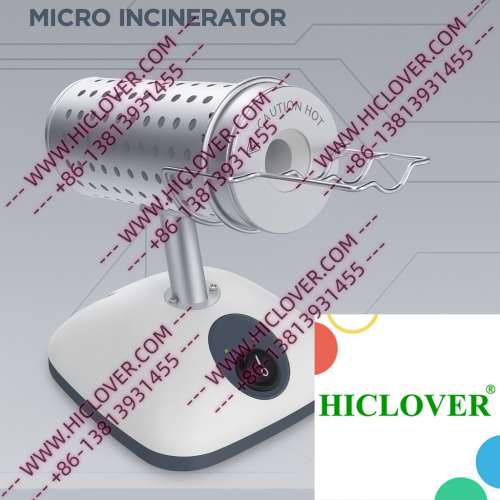
The Micro Incinerator relies on advanced infrared heat technology to achieve rapid thermal sterilization. This device utilizes an enclosed ceramic heating chamber that reaches and maintains high temperatures efficiently, allowing for precise disinfection of inoculating loops and related laboratory tools. The absence of open flames not only improves safety in cleanroom environments but also significantly reduces the risk of aerosol generation, making it ideal for use in biosafety cabinets.
Advantages of Infrared Heating Compared to Traditional Flame Sterilizers
When comparing the Micro Incinerator to traditional flame sterilizers like Bunsen burners or alcohol lamps, several advantages emerge:
- Safety: No open flames means reduced fire hazards and a cleaner working environment.
- Efficiency: Infrared heat provides rapid and uniform heating, minimizing waiting times between sterilizations.
- Contamination Control: Enhanced disinfection processes reduce the risk of cross-contamination.
- Aerosol-Free Handling: Minimization of aerosols contributes to a safer working atmosphere.
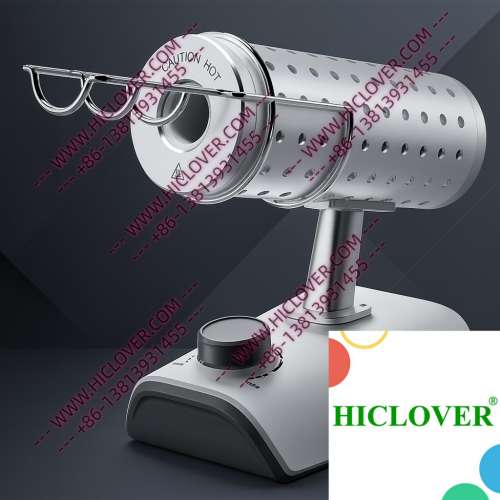
Application Scenarios in Real Labs
1. Biosafety Cabinet Operations
In a laboratory utilizing a biosafety cabinet, the Micro Incinerator is an essential tool for microbiological work. As researchers prepare to inoculate culture media, they must maintain strict aseptic techniques. Using the Micro Incinerator allows for rapid sterilization of loops and needles within the protected environment of the biosafety cabinet, enabling streamlined workflows while adhering to strict contamination control protocols.
2. University Teaching Labs
In university teaching laboratories, the Micro Incinerator provides a safe and efficient way to teach students about microbial culture techniques. Instructors can demonstrate loop sterilization without the hazards associated with flame use, instilling best practices for safety in future scientists. The infrared technology allows students to focus on learning techniques without the added burden of managing flames, ensuring a safer educational experience.
Compliance and Environmental Considerations
Adhering to biosafety standards set forth by organizations like the World Health Organization (WHO) is critical for laboratory safety. The use of the Micro Incinerator aligns with these standards, particularly in settings where no flames are permitted—such as cleanrooms and areas with volatile substances. Compliance with laboratory sterilization standards ensures that the risk of contamination and infections is minimized. Additionally, the Micro Incinerator’s efficient design contributes to an environmentally friendly laboratory, reducing waste associated with disposable sterilization methods and minimizing energy consumption.
Comparative Analysis: Micro Incinerator vs. Flame Burners
| Feature | Micro Incinerator | Flame Burners (Bunsen/Alcohol) |
|---|---|---|
| Type of Heat | Infrared | Open Flame |
| Safety | High | Moderate |
| Contamination Control | Excellent | Variable |
| Environmental Impact | Low | High (due to emissions) |
| Efficiency | High | Moderate |
FAQs
What is a Micro Incinerator, and how does it work?
A Micro Incinerator is a laboratory sterilization device that uses infrared heat to rapidly disinfect inoculating loops and tools, providing a high level of sterilization without open flames.
Where can a Micro Incinerator be used?
This device is ideal for use in biosafety cabinets, university teaching labs, clinical diagnostics, and field testing laboratories that require sterilization without contaminants.
Is a Micro Incinerator compliant with biosafety standards?
Yes, the Micro Incinerator complies with WHO biosafety standards and is suitable for environments where open flames are not permitted.
How does the Micro Incinerator benefit laboratory workflow?
The device improves sterilization workflows by providing rapid, reliable, and safe disinfection of laboratory tools, enhancing efficiency in various laboratory settings.
Is the Micro Incinerator energy-efficient?
Yes, the Micro Incinerator is designed for low energy consumption compared to traditional flame sterilizers, making it more environmentally friendly.
Conclusion
The emerging significance of advanced sterilization technologies like the Micro Incinerator makes it an essential asset for modern laboratories. Its numerous safety and efficiency benefits over traditional flame sterilizers position it as a leader in contamination control and workflow optimization. For distributors, hospitals, and research centers looking to enhance their sterilization protocols, investing in a Micro Incinerator could be a transformative step. Contact us today to learn more about how this innovative technology can benefit your laboratory operations.
Categories:
Tags: