
In the realm of laboratory biosafety, the challenges of contamination control and sterilization workflow are paramount. Laboratories — from clinical diagnostics to university teaching labs — must adhere to strict safety standards to ensure accurate results and safeguard public health. One of the most innovative solutions that has emerged in this space is the Micro Incinerator, particularly the Infrared Inoculating Loop Sterilizer. This game-changing technology revolutionizes waste management and sterilization processes, addressing the pressing needs of various sectors in Morocco.
The Technical Principles of the Micro Incinerator
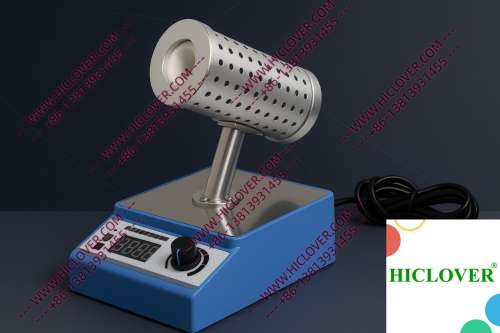
The operational efficiency of a Micro Incinerator lies in its advanced technical principles. Unlike traditional flame sterilizers such as Bunsen burners or alcohol lamps, which pose risks of cross-contamination and hazardous fumes, the Micro Incinerator employs infrared high-temperature disinfection capabilities. At its core, it features an enclosed ceramic tube that utilizes rapid thermal sterilization through infrared heat. This configuration ensures that laboratory tools can be sterilized quickly and safely, while minimizing the risk of aerosol release and contamination in sensitive environments.
Real-World Applications in Laboratories
Micro Incinerators have proven to be invaluable in various laboratory applications, enhancing biosafety and operational efficiency. Here are two prominent scenarios:
- Biosafety Cabinets: Labs operating at BSL-2 or BSL-3 levels require stringent sterilization methods to prevent contamination. Micro Incinerators can be used inside biosafety cabinets to sterilize inoculating loops, needles, and other tools without the need for flames, ensuring a clean-bench-safe environment.
- Teaching Laboratories: In university settings, where students frequently handle biological samples, the Micro Incinerator provides an effective way to teach safe sterilization practices. Its user-friendly design and rapid response time enable students to focus on their learning without the risks associated with traditional flame sterilizers.
- Regulation against open flames in clean rooms to enhance safety and prevent fire hazards.
- Efficient waste management solutions that minimize the environmental impact of laboratory operations.
- Adherence to laboratory sterilization standards that foster best practices for contamination control.
- Safety: Non-flammable design reduces the risk of fire and chemical burns.
- Efficiency: Rapid thermal sterilization process saves time and resources.
- Contamination Control: Eliminates aerosol generation, making it ideal for high-stakes environments.
- Simplicity: Easy to operate, with minimal training required for users.
Compliance Standards and Environmental Considerations
Aligning with international biosafety standards is crucial for laboratory operation. The World Health Organization (WHO) outlines guidelines for laboratory safety, which emphasize the importance of effective sterilization procedures to contain infectious agents. The Micro Incinerator’s design meets several critical compliance criteria, including:
In Morocco, especially within urban research centers and educational institutions, the adoption of Micro Incinerators aligns perfectly with local regulatory environments focused on public health and safety. The increased focus on laboratory sterility makes these devices not only functional but also a necessary investment for future-proof labs.
Advantages Over Traditional Flame Sterilizers
When comparing Micro Incinerators to traditional flame sterilizers, several advantages stand out:
Given these advantages, the Micro Incinerator is becoming a preferred choice in labs where safety and efficiency are critical concerns.
FAQs about Micro Incinerators
What makes the Micro Incinerator safer than a traditional alcohol lamp?
The Micro Incinerator uses infrared heat for sterilization, eliminating open flames and reducing the risk of fire hazards and harmful fumes typically produced by alcohol lamps.
How do I maintain a Micro Incinerator?
Regular cleaning of the ceramic tube and ensuring proper ventilation are essential for optimal performance. Maintenance guidelines typically accompany the product for operational longevity.
Is the Micro Incinerator suitable for field testing labs?
Yes, due to its portable design and quick sterilization capability, the Micro Incinerator is an excellent fit for mobile testing, ensuring safety and efficiency in diverse settings.
What types of laboratories can benefit from using Micro Incinerators?
BSL-2 and BSL-3 microbiology labs, clinical diagnostics facilities, and teaching laboratories can all greatly benefit from the advanced sterilization capabilities of the Micro Incinerator.
Are there any environmental considerations with using a Micro Incinerator?
Micro Incinerators minimize environmental impact by ensuring efficient waste management, reducing the emissions of harmful pollutants compared to some traditional fire-based sterilization methods.
Conclusion
As Morocco continues to enhance its focus on laboratory safety and waste management, the advantages of Micro Incinerators, particularly the Infrared Inoculating Loop Sterilizer, are becoming increasingly apparent. With their innovative design, adherence to biosafety standards, and practical applications in various laboratory settings, these devices represent a significant advancement in sterilization technology. For laboratories striving for improved operational efficiency and compliance, investing in a Micro Incinerator is a step towards a safer, cleaner future.
Contact us today to learn more about how the Micro Incinerator can benefit your laboratory operations and streamline your sterilization processes.
Categories:
Tags: