
The landscape of laboratory work continuously evolves, and today’s healthcare settings face numerous biosafety challenges that demand effective sterilization solutions. The necessity for reliable sterilization equipment is underscored in environments ranging from clinical diagnostics to university teaching labs, where contamination control is paramount. All eyes are on the Micro Incinerator, specifically the Infrared Inoculating Loop Sterilizer, as a key player in meeting these laboratory demands.
Understanding the Micro Incinerator’s Technical Principle
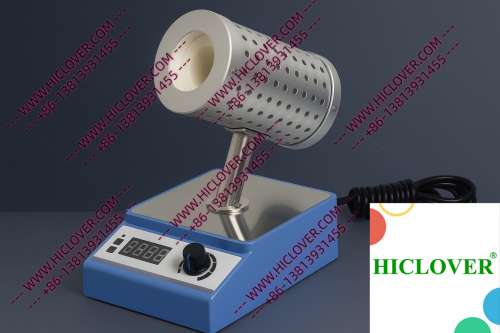
The Micro Incinerator utilizes the innovative principle of rapid thermal sterilization through infrared heat technology. Unlike traditional flame sterilizers such as alcohol lamps and Bunsen burners, which can pose risks of aerosol generation and contamination, the Micro Incinerator employs an enclosed ceramic tube that reaches high temperatures quickly, allowing for effective sterilization without an open flame. This advanced configuration reduces the risk of leaked contaminants and provides a clean-bench-safe environment.
- Infrared Heat: Directly generates high-temperature conditions for sterilization.
- Ceramic Heating Chamber: Designed for durable and efficient thermal management.
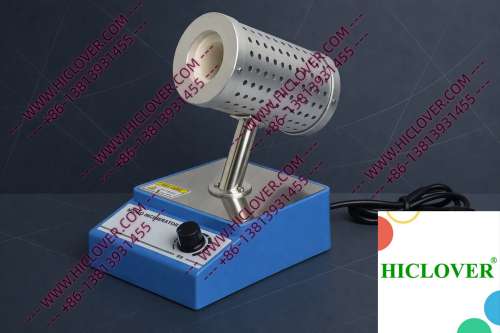
- Portable Design: Allows for usage in a variety of settings, including mobile or field testing labs.
Application Scenarios That Benefit from Micro Incinerators
Micro Incinerators are increasingly adapted across diverse laboratory settings, ensuring biosafety and efficiency in sterilization processes.
1. BSL-2 and BSL-3 Microbiology Labs
In BSL-2 and BSL-3 environments, where the handling of moderate-risk and high-risk pathogens occurs, the use of traditional flame sterilizers can be both risky and inconvenient. The enclosed nature of a Micro Incinerator mitigates hazards associated with flame-based sterilization. It allows researchers to sterilize inoculating loops quickly and effectively, ensuring that cross-contamination is minimized, which is vital in such carefully controlled environments.
2. University Teaching Labs
University laboratories often operate under various budgets and schedules, making efficient workflows necessary. Micro Incinerators are the ideal teaching tool in scenarios involving student-led experiments. They not only demonstrate advanced sterilization techniques but also provide students with a practical understanding of biosafety standards. This hands-on experience prepares future scientists to navigate sterilization workflows effectively in their careers.
Compliance and Environmental Considerations
Compliance with WHO biosafety standards and other laboratory sterilization regulations is fundamental in laboratory operations. Traditional flame sterilizers present challenges, particularly in clean rooms, where the risk of contamination must be minimized. Moreover, organizations are increasingly scrutinizing sterilization protocols, leading to a higher demand for non-flame alternatives.
The Micro Incinerator aligns perfectly with environmental and compliance expectations as it:
- Reduces the production of aerosols during sterilization.
- Meets rigorous laboratory sterilization standards set by leading health organizations.
- Utilizes energy-efficient technologies to minimize operational costs and environmental impacts.
Micro Incinerator vs. Flame Burners: A Comparison
| Features | Micro Incinerator | Traditional Flame Sterilizers |
|---|---|---|
| Safety | No open flame, reduces contamination risk | Open flames, risk of aerosol production |
| Efficiency | Rapid thermal sterilization | Longer heat-up time |
| Portability | Compact and easy to move | Less portable due to gas supply needs |
| Compliance | Aligns with modern biosafety standards | Challenges in compliance in clean labs |
Frequently Asked Questions
What are the key advantages of using a Micro Incinerator in labs?
The Micro Incinerator offers rapid sterilization, reduced contamination risk, and compliance with health standards, making it superior to traditional flame sterilizers.
Can Micro Incinerators be used in clean rooms?
Yes, Micro Incinerators are designed for use in clean rooms as they produce no open flame, minimizing any contamination risk associated with flame sterilizers.
Is the Micro Incinerator suitable for field testing applications?
Absolutely! The compact and portable design allows for easy transport and usability in various field testing scenarios.
What laboratory environments are best suited for Micro Incinerators?
Micro Incinerators excel in BSL-2 and BSL-3 labs, clinical settings, and academic laboratories where contamination control is critical.
What types of sterilization procedures can a Micro Incinerator perform?
It effectively sterilizes inoculating loops, needles, and other small tools used in microbiological assays and experiments.
Conclusion
As laboratory sterilization needs become more complex, the Micro Incinerator stands out as a modern, efficient solution that addresses these challenges head-on. Transitioning to an Infrared Inoculating Loop Sterilizer not only enhances your laboratory’s biosafety practices but also ensures adherence to compliance standards in a variety of settings. For laboratories seeking to elevate their sterilization procedures and improve workflow, investing in high-quality Micro Incinerators is unequivocally the way forward.
For more information on purchasing or to learn how the Micro Incinerator can transform your laboratory practices, contact us today.
Categories:
Tags: