
In laboratory environments, the stakes are high. Accurate experimental results depend significantly on stringent biosafety protocols and effective sterilization workflows. As labs scale and research methods evolve, the demand for reliable sterilization equipment becomes critical. In particular, the Micro Incinerator or Infrared Inoculating Loop Sterilizer emerges as a pivotal tool in maintaining sterile conditions and ensuring precision in experimental outcomes.
The Challenge of Contamination Control
Laboratories, especially in sectors like clinical diagnostics and microbiology (BSL-2 / BSL-3 labs), face constant challenges related to contamination. Traditional flame sterilizers, such as alcohol lamps and Bunsen burners, can introduce aerosol contamination, which compromises the microbial culture and the integrity of experiments. Moreover, the audit trails of sterilization processes in regulated environments necessitate reliable and reproducible methods for ensuring sterility, heightening the importance of advanced sterilization tools.
Understanding the Micro Incinerator
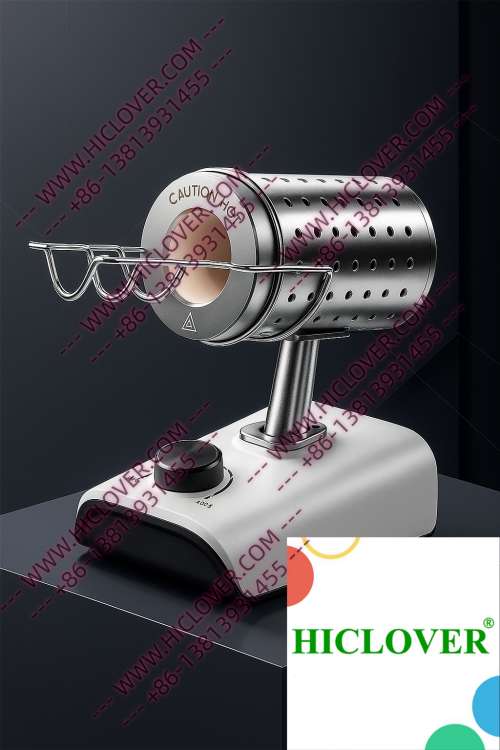
The Micro Incinerator, with its advanced infrared heating technology, provides a solution to these biosafety challenges. Utilizing a carefully designed enclosed ceramic tube, it rapidly achieves high-temperatures necessary for sterilization, ensuring efficient thermal disinfection without the risks associated with open flames. The sterile loop sterilizer operates by passing inoculating loops through the infrared heat, effectively eliminating any residual biological materials.
Key Features and Functionality
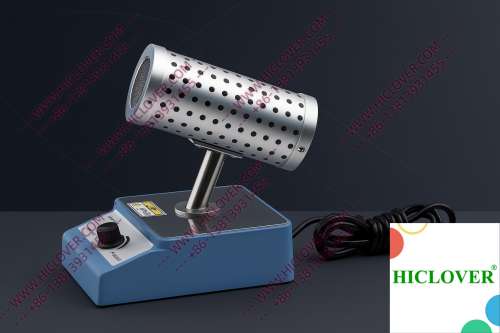
- Rapid Thermal Sterilization: Achieves optimal sterilization temperatures swiftly, significantly reducing downtime.
- Aerosol-Free Handling: Reduces the risk of contamination that is often present with flame sterilizers.
- Ceramic Heating Chamber: Provides durability and consistent temperature uniformity.
- Easy Operation: User-friendly interface designed for seamless operation in high-pressure environments.
Application Scenarios in Real Labs
1. Biosafety Cabinets
In biosafety cabinets, the Micro Incinerator plays a crucial role in ensuring a contamination-free environment for cell culture and other sensitive processes. By incorporating this sterilizer within the cabinet, laboratory technicians can ensure that inoculating loops are sterilized effectively between uses, thus preserving the integrity of microbial cultures. The enclosed design minimizes the risk of cross-contamination, which is paramount in high-containment labs.
2. Field Testing Laboratories
Field testing labs, facing unique challenges such as variable environmental conditions and limited facilities, benefit significantly from portable sterilization solutions. The compact nature of infrared inoculating loop sterilizers allows for easy transport, facilitating high-temperature disinfection on-site. This mobility is essential for microbiologists working in diverse settings—from remote sampling sites to mobile diagnostics units—where traditional flame sterilizers may not be practical.
Compliance and Environmental Considerations
Adhering to biosafety standards set by the WHO and other regulatory bodies is critical in laboratory settings. The Micro Incinerator aligns perfectly with institutional policies regarding laboratory sterilization, particularly in cleanroom environments where open flames are strictly prohibited. Its compliance with lab sterilization standards helps mitigate risks associated with aerosolization and biohazard exposure, further enhancing the safety protocols in research settings.
Biosafety Compliance Reference
According to WHO guidelines for laboratory biosafety, effective sterilization methods are essential in preventing the transmission of infectious agents. The utilization of closed systems such as microbiological sterilizers ensures compliance and boosts laboratory safety.
Comparative Analysis: Micro Incinerator vs. Flame Burners
| Feature | Micro Incinerator | Flame Burners |
|---|---|---|
| Temperature Control | Consistent high temperatures with rapid heat-up | Variable; dependent on user skill |
| Contamination Control | Aerosol-free, enclosed design | Potential aerosol contamination |
| Usability | User-friendly; minimal training required | Require skilled handling |
| Compliance | Meets strict biosafety standards | Not suitable for cleanroom environments |
FAQs
1. What is a Micro Incinerator used for?
A Micro Incinerator is primarily used for sterilizing inoculating loops and other small tools, ensuring they are free from microbial contamination.
2. How does a Micro Incinerator differ from traditional flame sterilizers?
Unlike traditional flame sterilizers, Micro Incinerators eliminate the risk of aerosol contamination and provide consistent heat without the dangers associated with open flames.
3. Are Micro Incinerators compliant with biosafety standards?
Yes, Micro Incinerators are designed to comply with WHO guidelines and other biosafety regulations, making them ideal for use in clinical and research laboratories.
4. Can Micro Incinerators be used in field settings?
Absolutely. Their compact design makes them portable and suitable for various field testing environments.
5. What maintenance is required for Micro Incinerators?
Minimal maintenance is needed; however, regular cleaning of the heating chamber and checking the power supply is recommended for optimal performance.
Conclusion
As laboratories continue to advance in research and diagnostics, the need for effective sterilization equipment, such as Micro Incinerators, is unparalleled. By embracing modern technologies that ensure rapid thermal sterilization, contamination control, and compliance with safety standards, laboratories can enhance their workflow efficiency and accuracy in outcomes. If you’re looking to improve your sterilization processes, consider investing in a Micro Incinerator today for unmatched safety and reliability. Contact us for more information or to place your order!
Categories:
Tags: