
The rapid urbanization in Vietnam is giving rise to an increasing number of laboratories, particularly in fields such as clinical diagnostics and biomedical research. As these labs grow in number and complexity, they face heightened biosafety challenges, especially in maintaining sterilization protocols. The demand for effective, efficient sterilization solutions is paramount to ensuring safety and preventing contamination in laboratory settings. Among these solutions, Micro Incinerators and Infrared Inoculating Loop Sterilizers are becoming essential tools in the modern lab, as they meet the rigorous demands for contamination control.
The Technical Principles Behind Micro Incinerators
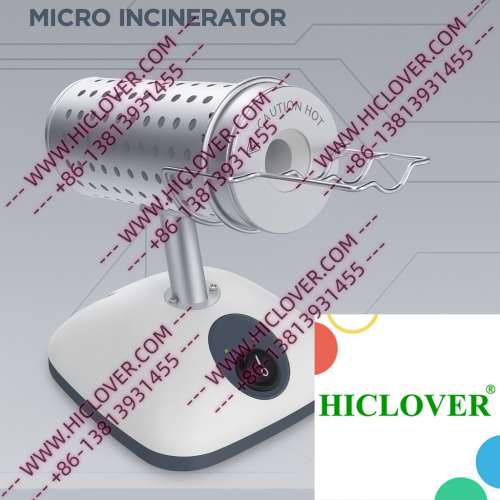
Micro Incinerators utilize advanced infrared heating technology to achieve rapid thermal sterilization. The sterilization process occurs within a sophisticated enclosed ceramic heating chamber, designed to deliver consistent high-temperature disinfection. Unlike traditional flame sterilizers, such as alcohol lamps and Bunsen burners, Micro Incinerators provide a cleaner, safer experience devoid of open flames, making them ideal for use in clean bench environments and BSL-2 and BSL-3 microbiology labs.
Key Features of Micro Incinerators:
- Infrared high-temperature disinfection
- Contamination control through aerosol-free handling
- Reduced risk of fire hazards
- Rapid heating and cooling cycles
- Compact and portable design for field usage
- WHO biosafety guidelines must be implemented.
- Adherence to sterilization standards as outlined by ISO 13485.
- Non-flammable operation fits within clean room protocols.
- Reduced aerosol generation for enhanced safety.
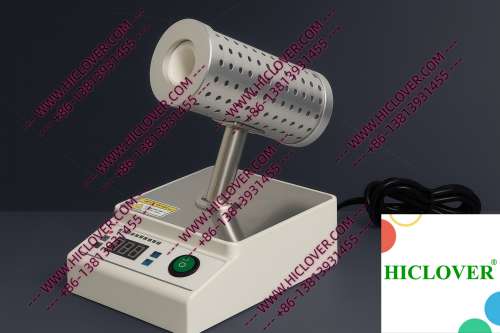
Application Scenarios in Modern Laboratories
1. Biosafety Cabinets
In BSL-2 and BSL-3 labs, maintaining a sterile environment is crucial. When working within a biosafety cabinet, using a Micro Incinerator allows researchers to quickly sterilize inoculating loops, thus minimizing the risk of cross-contamination. The precise control of sterilization temperature ensures that biological samples remain uncontaminated, enhancing the reliability of research outcomes.
2. Teaching Laboratories
University teaching labs, where students are learning practical microbiology techniques, benefit significantly from the integration of Micro Incinerators. As students use their inoculating loops for culture transfers, the convenience of rapidly sterilizing the equipment within the lab ensures a practical and safe learning environment. Furthermore, it alleviates concerns about safety associated with open flames in a classroom setting, allowing educators to focus on hands-on instruction.
Compliance with Sterilization Standards and Safety Regulations
Global health organizations, including the WHO, set strict biosafety standards that govern laboratory operations. Using devices like Micro Incinerators aids labs in adhering to these regulations. These sterilizers do not emit aerosols or other contaminants that could compromise a clean room’s integrity. Furthermore, the absence of flames ensures compliance with safety standards, reducing risks linked to fire hazards.
Biosafety Compliance Reference:
Compliance with biosafety standards is crucial in laboratory environments. The following list highlights key points:
Regional Demand for Laboratory Sterilization Equipment
Vietnam stands at the forefront of urbanization and industrial growth in Southeast Asia. As the country continues to invest in health science and technology, the demand for effective sterilization solutions is projected to rise steadily. Both public and private sector labs are increasingly seeking reliable sterilization equipment, such as Micro Incinerators, to enhance their operational security and ensure compliance with global standards.
Comparison: Micro Incinerator vs. Traditional Flame Burners
| Feature | Micro Incinerator | Traditional Flame Burner |
|---|---|---|
| Heat Source | Infrared | Open Flame |
| Risk of Contamination | Minimal Aerosols | High Aerosols |
| Safety | No Fire Hazard | Flammable Risk |
| Portability | High | Moderate |
| Efficiency | Rapid Thermal Sterilization | Inconsistencies in Heating |
FAQs
1. What is a Micro Incinerator?
A Micro Incinerator is a laboratory sterilization device that uses infrared heat to eliminate microbiological contaminants quickly and efficiently, minimizing risks associated with flame-based sterilization.
2. How do Micro Incinerators improve laboratory safety?
Micro Incinerators provide a flame-free operation, reducing fire hazards and aerosol generation, which ensures a safer working environment, particularly in clean benches and biosafety cabinets.
3. Can Micro Incinerators be used for field testing labs?
Yes, the compact and portable design of Micro Incinerators makes them suitable for mobile laboratories and field testing scenarios where reliable sterilization methods are essential.
4. How do Micro Incinerators comply with WHO guidelines?
Micro Incinerators align with WHO biosafety standards by ensuring no aerosol generation and eliminating the risk of fire hazards, thus promoting a safe and compliant lab environment.
5. Are Micro Incinerators easy to maintain?
Micro Incinerators require minimal maintenance, largely owing to their robust design. Regular cleaning and inspection are advised to ensure optimal performance.
Conclusion
As Vietnam’s urban landscape continues to evolve, the necessity for advanced laboratory sterilization techniques grows in parallel. Micro Incinerators represent a cutting-edge solution to meet the demands of modern labs, ensuring safety, compliance, and efficiency. Contact us today to explore how our quality Micro Incinerators can enhance your laboratory operations and meet your sterilization needs.
Categories:
Tags: