
Laboratories across the USA are continually challenged by biosafety demands and the need for effective sterilization workflows. Traditional methods, such as alcohol lamps and Bunsen burners, present risks including open flames, which can lead to contamination, and inefficiencies in rapid thermal sterilization. Enter the Micro Incinerator or Infrared Inoculating Loop Sterilizer—a revolutionary piece of laboratory sterilization equipment that promises not only to enhance safety but also to streamline sterilization processes in various laboratory settings.
Understanding Micro Incinerators: Technology and Configuration
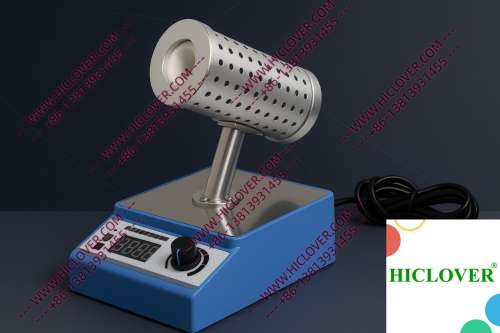
The Micro Incinerator operates on a technical principle that leverages infrared heat within an enclosed ceramic tube. This advanced design allows the device to reach high temperatures, effectively disinfecting inoculating loops and other small instruments without the dangers associated with flames. The enclosed structure enables controlled thermal sterilization that eliminates aerosols, making it clean-bench-safe for use in sensitive environments.
Advantages Over Traditional Flame Sterilizers
When comparing Micro Incinerators to traditional flame sterilizers like alcohol lamps and Bunsen burners, several distinct advantages stand out:
- Enhanced Safety: No open flames reduce fire hazards, particularly in BSL-2 and BSL-3 microbiology labs.
- Efficiency: Rapid thermal sterilization ensures minimal downtime and allows for immediate reuse of sterilized instruments.
- Contamination Control: The absence of flames prevents aerosol spread, which is crucial for contamination control in sensitive laboratory environments.
- Durability: The ceramic heating chamber provides long-lasting performance compared to traditional metal burners.
- What is the primary function of a Micro Incinerator?
The primary function is to provide efficient sterilization of inoculating loops and other small instruments using infrared heat, eliminating the need for open flames. - Can a Micro Incinerator be used in university teaching labs?
Yes, it is ideal for university teaching labs due to its ease of use, safety features, and effectiveness in providing students with sterile equipment quickly. - How do Micro Incinerators ensure safety in BSL-3 labs?
The design eliminates flames and aerosols, which helps maintain a sterile environment, crucial for working with high-risk pathogens. - Are Micro Incinerators compliant with WHO standards?
Yes, they are designed to meet international biosafety standards, ensuring safer lab environments. - What are the maintenance requirements for a Micro Incinerator?
Regular cleaning of the ceramic tube and occasional calibration to ensure efficient operation are typically all that is required.
Real-World Applications in Laboratories
Biosafety Cabinets
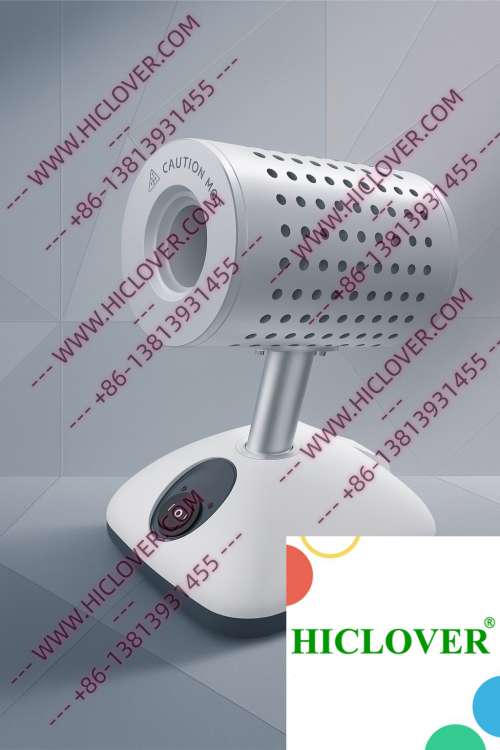
In BSL-2 and BSL-3 labs, maintaining strict biosafety protocols is paramount. Micro Incinerators find their place within biosafety cabinets where they can be used to sterilize loops and other small instruments while minimizing contamination risk. For instance, when handling pathogens, researchers can effectively and rapidly sterilize their tools without removing them from the controlled environment of the cabinet, thus adhering to stringent safety protocols.
Field Testing Operations
For mobile or field-testing labs, such as those conducting environmental assessments or clinical diagnostics in remote locations, the compact and efficient design of the Micro Incinerator is invaluable. Its ability to deliver rapid sterilization in an aerosol-free manner means that environmental scientists can quickly prepare tools on-site, ensuring their results are reliable and accurate without compromising safety.
Compliance and Environmental Impact
Micro Incinerators align with global biosafety standards and sterilization protocols set forth by organizations like the WHO. The emphasis on preventing aerosols and maintaining a flame-free environment makes them particularly suited for clean rooms and laboratories requiring sterile conditions. Adopting advanced technologies like the Micro Incinerator helps research institutions and hospitals comply with both local and international laboratory sterilization standards.
Frequently Asked Questions
Conclusion
Micro Incinerators are undeniably transforming waste management and sterilization practices in the USA’s diverse laboratory environments. With their capability to enhance safety, adhere to stringent compliance guidelines, and improve operational efficiency, it’s clear that this technology is paving the way for modern laboratory practices. Whether you are part of a research center, hospital, university, or NGO, investing in a Micro Incinerator could redefine your sterilization process. Contact us today to understand how you can integrate this innovative solution into your laboratory!
Categories:
Tags: