
Laboratories today face a myriad of biosafety challenges that demand efficient sterilization workflows. In particular, contamination control is essential for maintaining the integrity of research results, especially when working with hazardous materials in microbiology labs. Traditional flame sterilizers, such as Bunsen burners and alcohol lamps, present safety risks and operational inefficiencies that can hinder lab productivity and safety. Enter the Micro Incinerator, an innovative solution that integrates high-efficiency infrared technology for laboratory sterilization.
Understanding the Technical Principles of Micro Incinerators
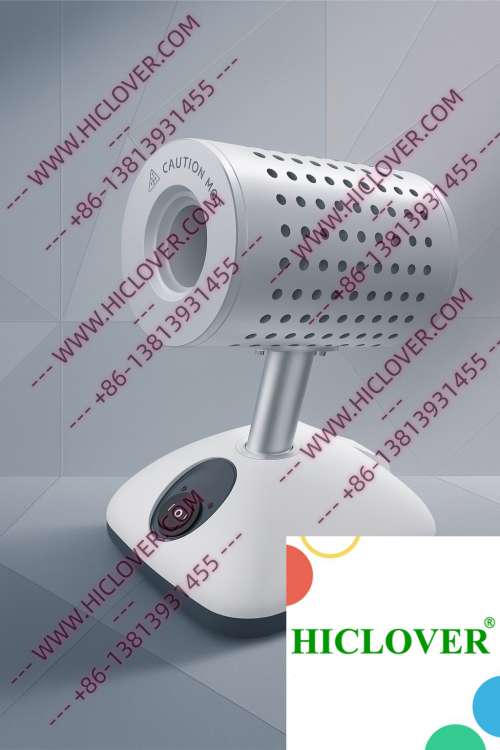
The Micro Incinerator, also known as the Infrared Inoculating Loop Sterilizer, operates using a rapid thermal sterilization process. This equipment features a ceramic heating chamber that reaches high temperatures in seconds, effectively eliminating pathogens through infrared high-temperature disinfection. Unlike conventional flame-based options, it offers enclosed heating, creating a clean-bench-safe environment that protects against aerosol generation and contamination.
The enclosed ceramic tube design allows for even heat distribution, meaning that all parts of the inoculating loop receive uniform sterilization. This precise and rapid heating approach, coupled with minimal maintenance requirements, makes the Micro Incinerator an excellent option for busy lab settings.
Applications of Micro Incinerators in Laboratory Settings
1. BSL-2 and BSL-3 Microbiology Labs
In biosafety laboratories handling pathogenic microorganisms, the Micro Incinerator plays a crucial role in sterilization protocols. For instance, in a BSL-2 lab, researchers can use the Micro Incinerator within a biosafety cabinet to effectively sterilize inoculating loops without the risks associated with open flames. The rapid heating capability not only reduces the wait time between samples but also enhances safety by minimizing exposure to hazardous materials.
2. University Teaching Labs
In the context of education, the Micro Incinerator serves as a pivotal teaching tool in microbiology courses. By integrating it into laboratory curriculums, students can learn proper inoculation techniques while adhering to safety standards. The absence of open flames allows instructors to demonstrate sterile techniques without the risk of accidents, facilitating a focus on fundamental sterilization practices in a controlled environment.
3. Field Testing Labs
For mobile or field testing labs, where resources may be limited and bacteria must be handled safely, the Micro Incinerator offers an efficient alternative to flame-based sterilization. Its compact design and rapid startup make it suitable for tests in remote locations, ensuring that samples are collected, processed, and sterilized promptly, maintaining the specimen’s integrity.
Compliance with Laboratory Standards and Environmental Considerations
Meeting biosafety regulations, such as the standards set by the World Health Organization (WHO), is paramount for laboratory operations. The Micro Incinerator complies with WHO guidelines for laboratory sterilization practices, ensuring a high level of safety for laboratory personnel. Additionally, its design eliminates the risks associated with open flames, making it suitable for use in clean zones and environments where flame sterilization may be prohibited.
Furthermore, as laboratories increasingly focus on sustainability and a circular economy, digital micro incinerators support waste reduction initiatives. By facilitating immediate sterilization, they help reduce the need for disposable tools, enabling labs to streamline processes while maintaining high biosafety standards.
Advantages of Micro Incinerators Over Traditional Flame Sterilizers
- Safety: No open flames reduce the risk of accidents and fire hazards.
- Efficiency: Faster sterilization cycles improve lab workflow.
- Cost-Effective: Reduced need for consumables and safer handling practices.
- Environmental Impact: Supports sustainable practices with lower waste output.
Micro Incinerator vs. Flame Sterilizers Comparison Table
| Feature | Micro Incinerator | Flame Sterilizers (Bunsen Burner) |
|---|---|---|
| Type of Heat | Infrared Heat | Open Flame |
| Startup Time | Instant | Requires time to light |
| Control over Temperature | Precise control | Variable control |
| Aerosol Generation | None | Potentially High |
| Contamination Risk | Low | Higher |
Frequently Asked Questions
- What is a Micro Incinerator used for in laboratories?
A Micro Incinerator is primarily used for sterilizing inoculating loops and other laboratory tools, ensuring an aerosol-free environment and higher safety standards.
- How does the Micro Incinerator work?
It operates by using infrared heat within a ceramic chamber, achieving rapid thermal sterilization.
- Can a Micro Incinerator be used in BSL-3 labs?
Yes, it complies with biosafety standards, making it suitable for BSL-3 laboratory environments.
- What are the environmental benefits of using a Micro Incinerator?
It reduces the need for disposable tools, improves sterilization efficiency, and promotes sustainable laboratory practices.
- Is a Micro Incinerator safe for teaching labs?
Absolutely, its safety features eliminate open flames, providing a secure learning environment.
Conclusion
In summary, adopting a Micro Incinerator or Infrared Inoculating Loop Sterilizer represents a significant advancement in laboratory sterilization technologies. With its myriad advantages over traditional flame sterilizers, it addresses not only safety and efficiency but also contributes to compliance with global biosafety standards. Laboratories looking to enhance their sterilization workflows should consider integrating the Micro Incinerator into their repertoire. For inquiries or to explore purchase options, please contact us today for more information on how our Micro Incineration technologies can benefit your laboratory.
Categories:
Tags: