
In today’s laboratories, the demand for efficient and safe sterilization methods is paramount. With increasing biosafety challenges and the necessity for rigorous sterilization workflows, laboratories are seeking reliable solutions to ensure contamination control. The Micro Incinerator, particularly the Infrared Inoculating Loop Sterilizer, is at the forefront of this evolution, offering a flame-free alternative that meets modern laboratory needs.
Technical Principles of the Micro Incinerator
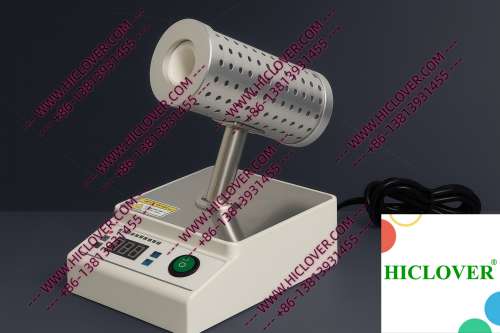
The Micro Incinerator operates on the principle of rapid thermal sterilization using infrared heat. Unlike traditional flame sterilizers, which can pose risks of open flames and hot surfaces, this innovative device employs an enclosed ceramic heating chamber. This setup not only provides high-temperature disinfection but also allows for aerosol-free handling, reducing the risk of airborne contamination. The design features advanced infrared technology that ensures uniform and efficient heat distribution, rapidly achieving the temperatures necessary for effective sterilization of inoculating loops, needles, and other laboratory tools.
Key Features of the Micro Incinerator
- Infrared Heating: Quick and efficient thermal disinfection.
- Safety Design: Enclosed ceramic tube eliminates open flames.
- Portable and Compact: Ideal for field testing and mobile labs.
- Low Maintenance: Easy to clean and maintain compared to traditional methods.
- What types of surfaces can the Micro Incinerator sterilize?
It is primarily designed for sterilizing inoculating loops, needles, and other small laboratory instruments. - How does the Micro Incinerator contribute to biosafety in laboratories?
By using infrared heat, it ensures effective sterilization without the risks associated with open flames, thus enhancing safety during handling and usage. - Is the Micro Incinerator suitable for field testing applications?
Yes, its compact and portable design makes it ideal for use in mobile and field laboratories. - How does it compare to traditional sterilization methods eco-wise?
The Micro Incinerator minimizes hazardous waste and eliminates the need for flammable materials, making it a more environmentally friendly option. - Can it be used in conjunction with CO₂ incubators or anaerobic chambers?
Yes, it is safe for use in environments requiring strict contamination controls, such as CO₂ incubators and anaerobic conditions.
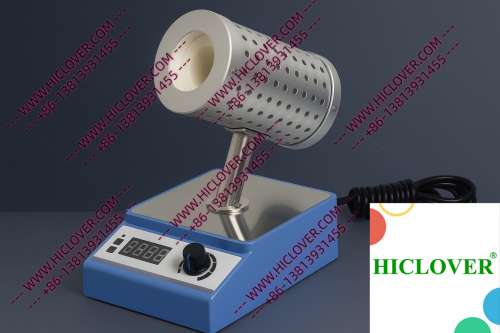
Real-World Applications of the Micro Incinerator
The effectiveness of the Micro Incinerator spans various laboratory settings. Below are two prominent application scenarios:
1. Clinical Diagnostics Laboratories
In BSL-2 microbiology labs, where pathogenic microorganisms are handled, maintaining stringent biosafety protocols is crucial. The Micro Incinerator serves as an integral element in laboratory sterilization workflows. For instance, technicians can safely sterilize inoculating loops before and after samples are taken from cultures, ensuring no cross-contamination occurs. By providing immediate and effective sterilization without flames, labs can enhance safety protocols significantly.
2. University Teaching Labs
In academic settings, such as university teaching labs, the Micro Incinerator proves invaluable for educating students using live cultures. Students can perform experiments involving live strains while using the sterilizer to clean their loops and needles swiftly. This method not only teaches proper laboratory techniques but also emphasizes the importance of biosafety and cleanliness in laboratory environments, making learning both practical and safe.
Compliance and Environmental Considerations
Adhering to guidelines set forth by organizations such as the WHO is paramount in laboratory operations. Ensuring the use of clean and safe sterilization methods aligns with current biosafety regulations and standards. Unlike traditional alcohol lamps and Bunsen burners, the Micro Incinerator functions efficiently in clean rooms, negating the risk of flame-related incidents. Its use is not only compliant with laboratory sterilization standards but also promotes an environmentally friendly approach by minimizing hazardous waste associated with traditional sterilization techniques.
International Standards and Compliance
When considering laboratory sterilization equipment, compliance is key, especially for organizations operating under stringent regulations like BSL-3 laboratories. The following table illustrates a quick comparison of the Micro Incinerator against traditional flame sterilizers:
| Feature | Micro Incinerator | Flame Sterilizer |
|---|---|---|
| Heat Source | Infrared | Open Flame |
| Aerosol-Free Handling | Yes | No |
| Compliance with Clean Room Standards | Yes | No |
| Safety | High | Moderate |
Frequently Asked Questions
Conclusion
As laboratories continue to face the ever-evolving challenges of biosafety and contamination management, the Micro Incinerator stands out as a pivotal solution. With its innovative design and adherence to compliance standards, this technology not only improves workflow efficiency but also enhances safety protocols across various laboratory settings. If you’re looking to upgrade your laboratory sterilization equipment, consider investing in the advanced Micro Incinerator technologies. For inquiries or to explore purchasing options, don’t hesitate to reach out for more information.
Categories:
Tags: