
In modern laboratories, the importance of effective sterilization techniques cannot be overstated. Biosafety challenges arise continuously, with scientists and lab technicians facing the need to prevent contamination while maintaining workflow efficiency. Traditional flame sterilizers, such as alcohol lamps and Bunsen burners, are often plagued by drawbacks that can hinder laboratory operations, especially in sensitive environments.
The Technical Advantage of Micro Incinerators
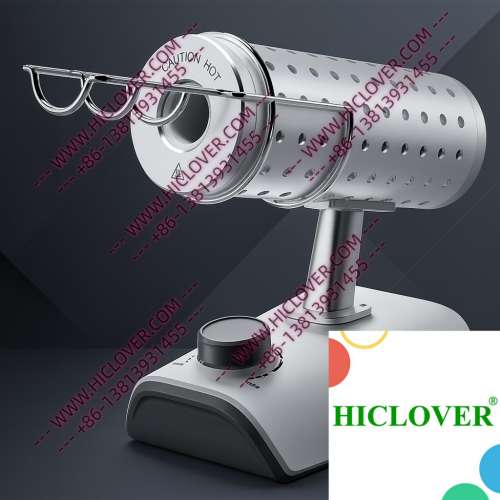
Micro Incinerators, particularly Infrared Inoculating Loop Sterilizers, stand at the forefront of laboratory sterilization equipment. These devices utilize rapid thermal sterilization principles to ensure contamination control through an innovative design. The enclosed ceramic heating chamber combined with infrared technology allows for high-temperature disinfection without the risks associated with open flames.
One of the key features of these sterilizers is their ability to achieve temperatures up to 800°C almost instantaneously, providing quick and efficient sterilization. This method not only improves safety by reducing the risk of laboratory fires but also enhances the cleanliness of workspaces, making them suitable for biosafety cabinets and cleanroom environments.
Applications in the Laboratory Environment
Scenario 1: Biosafety Cabinets
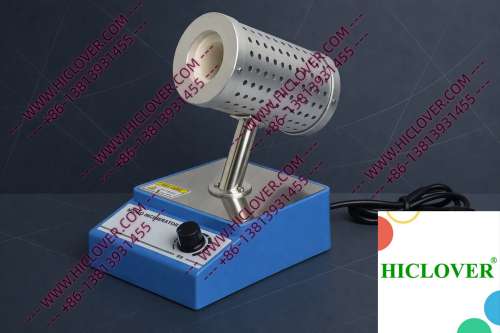
In a BSL-2 laboratory, where microbiological work includes agents posing moderate hazards, maintaining an uncontaminated workspace is paramount. Using a Micro Incinerator within a biosafety cabinet allows researchers to quickly and efficiently sterilize inoculating loops, spreaders, and other reusable tools while minimizing waste. The clean and flame-free operation means that there’s no disruption of airflow, thus maintaining the integrity of the aseptic environment.
Scenario 2: Field Testing and Mobile Laboratories
Field testing often comes with unique challenges, particularly in remote settings where access to utilities is Limited. Mobile laboratories can effectively utilize Micro Incinerators for sterilization right on-site. With their compact design and no reliance on volatile fuels, these devices can operate in various environments without compromising biosafety protocols. This versatility supports community health initiatives, such as rapid response to disease outbreaks.
Compliance and Environmental Considerations
Adhering to global biosafety standards is crucial for laboratory operations. The World Health Organization (WHO) has outlined guidelines for laboratories to ensure biosafety and minimize risks. Micro Incinerators align with these compliance demands, providing an aerosol-free handling solution that is required in many clinical diagnostics and teaching environments.
Moreover, the absence of flames is a significant advantage in maintaining cleanroom conditions. The risk of contamination from flame sterilizers—often overlooked—can lead to devastating consequences in sensitive cell cultures and biochemical assays. Therefore, using Micro Incinerators not only adheres to various laboratory standards but also promotes sustainability by reducing hazardous waste and energy consumption.
Comparison of Sterilization Methods
Comparison Table: Micro Incinerator vs. Flame Burners
| Feature | Micro Incinerator | Flame Burners |
|---|---|---|
| Temperature Control | High precision with rapid heating | Variable and harder to control |
| Safety | No open flames | Risk of fire hazards |
| Cleanliness | Aerosol-free operation | Potential for aerosol contamination |
| Portability | Compact and easy to use in the field | Bulky and requires gas source |
Frequently Asked Questions
- What is a Micro Incinerator?
A Micro Incinerator is a high-temperature sterilization device used to quickly and efficiently eliminate microbial contamination from laboratory tools, leveraging infrared technology. - How does infrared sterilization work?
Infrared sterilization involves the application of concentrated infrared heat within a ceramic tube to achieve rapid thermal sterilization of inoculating loops and other equipment. - What are the benefits over traditional flame methods?
Benefits include enhanced safety with no open flames, reduced risk of cross-contamination, and improved efficiency in sterilization workflows. - Are Micro Incinerators easy to clean and maintain?
Yes, their design allows for straightforward cleaning, promoting a hygienic workspace essential for laboratory settings. - Where are the most common applications for Micro Incinerators?
Common applications include university teaching labs, clinical diagnostics, and biosafety laboratories, particularly in environments requiring strict sterile conditions.
Conclusion
The transition from traditional flame sterilizers to advanced Micro Incinerators reflects a significant shift towards sustainability, safety, and efficiency in laboratory practices. By integrating these innovative sterilization devices, research centers, hospitals, and educational institutions can enhance their biosafety operations while preserving valuable resources. If you’re ready to upgrade your laboratory’s sterilization capabilities, reach out to us today!
Categories:
Tags: