
In the context of modern laboratory practices, biosafety challenges persist, particularly when it comes to sterilization workflows. Labs handling biological samples, especially in regions like Cameroon, face stringent needs for effective contamination control. Traditional methods, such as alcohol lamps and Bunsen burners, present issues around safety, efficiency, and compliance with global sterilization standards. This necessitates a shift towards advanced solutions like the Micro Incinerator, specifically the Infrared Inoculating Loop Sterilizer, which offers rapid thermal sterilization and enhanced management of biohazardous waste.
Technical Principles of Micro Incinerators
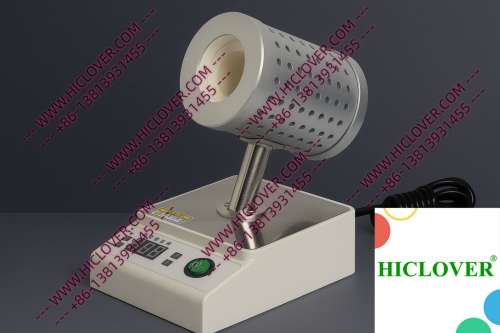
The Micro Incinerator operates on the principle of infrared high-temperature disinfection. It is equipped with a ceramic heating chamber that generates intense infrared heat, effectively destroying contaminants present on inoculating loops, needles, and other lab equipment. Unlike traditional flame-based sterilizers, which can produce aerosols and lead to contamination in clean labs, the infrared sterilizer operates in a closed environment. This feature not only ensures thorough sterilization but also mitigates risks associated with open flames.
Key Features of Micro Incinerators
- Rapid Sterilization: Achieves high temperatures quickly, reducing downtime.
- Clean-Bench-Safe: Operates without open flames, making it suitable for clean environments.
- Aerosol-Free Handling: Minimizes the risk of aerosol generation during sterilization.
- Compact Design: Easily fits into laboratory spaces, making it ideal for mobile or field testing.
- No open flame in clean rooms, reducing the risk of fire and contamination.
- High-temperature disinfection that meets sterilization benchmarks set by laboratory sterilization standards.
- Improved aerosol control, contributing to safer laboratory environments, especially in education and training labs.
Application Scenarios in Cameroon
The importance of portable Micro Incinerators is profound in various laboratory settings. Here are two compelling use cases in Cameroon:
1. BSL-2 Microbiology Labs
In BSL-2 labs that deal with pathogens, the use of a Micro Incinerator is crucial for ensuring that all sterilized equipment is free from contaminants. When working inside a biological safety cabinet (BSC), researchers can easily use the infrared sterilizer to sterilize tools without disrupting airflow, which is vital for maintaining a sterile environment.
2. Field Testing Units
For mobile health units operating in remote areas, such as those deployed for disease surveillance, portable Micro Incinerators provide an essential solution for in-the-field sterilization. Given their lightweight design, they are easily transportable to rural locales, allowing health workers to sterilize equipment on-site, which is not only efficient but also crucial for preventing disease transmission.
Compliance with Biosafety Standards
As laboratories implement more rigorous biosafety measures, compliance with World Health Organization (WHO) biosafety regulations and standards for lab sterilization is critical. The Micro Incinerator’s design aligns with these guidelines effectively. Here are key compliance features:
The Micro Incinerator stands out as a solution that not only adheres to WHO guidelines but also enhances overall lab safety and operational efficiency.
Micro Incinerator vs. Traditional Flame Sterilizers
| Feature | Micro Incinerator | Flame Sterilizers |
|---|---|---|
| Safety | No open flame, reduced risk of incineration | Open flame can cause accidents and fire hazards |
| Efficiency | Rapid thermal sterilization | Longer heat-up and cool-down times |
| Contamination Control | Aerosol-free handling | Potential for aerosol generation |
| Compliance | Meets WHO and lab standards | Difficult to meet clean-room standards |
FAQs
What is the primary advantage of a Micro Incinerator over traditional sterilizers?
The main advantage of a Micro Incinerator is its ability to provide rapid thermal sterilization in a safe, enclosed environment without the risks associated with an open flame.
Can a Micro Incinerator be used in field laboratories?
Absolutely! Its portable design and efficient operation make it an excellent choice for field testing labs, especially in remote areas.
Does the Micro Incinerator comply with WHO standards?
Yes, the Micro Incinerator is designed to meet WHO biosafety and lab sterilization standards, ensuring safe use in various laboratory settings.
How does the Micro Incinerator prevent contamination?
By utilizing infrared heat in a closed chamber, it effectively sterilizes instruments without generating aerosols, which is crucial for maintaining sterile conditions.
Is it safe to use in educational settings?
Yes, the Micro Incinerator is designed with safety features that make it suitable for teaching labs, reducing the risk of accidents associated with traditional sterilizers.
Conclusion
The advent of portable Micro Incinerators marks a significant step towards sustainable laboratory practices in Cameroon. By moving away from traditional flame-based sterilization methods, labs can enhance safety, efficiency, and compliance with global biosafety standards. Investing in a Micro Incinerator not only optimizes workflows but also prioritizes contamination control, which is vital in today’s health-focused environment. For queries or further discussions on procurement, feel free to reach out!
Categories:
Tags: