
In today’s rapidly evolving laboratory environments, contamination control, laboratory biosafety challenges, and sterilization workflows are at the forefront of maintaining research integrity. Efficient sterilization of inoculating loops and other lab tools is paramount in microbiology, clinical diagnostics, and biosafety-compliant environments. The introduction of high-efficiency loop incinerators, particularly the Micro Incinerator / Infrared Inoculating Loop Sterilizer, has revolutionized how labs mitigate microbial contamination while enhancing safety protocols.
Laboratory Biosafety Challenges
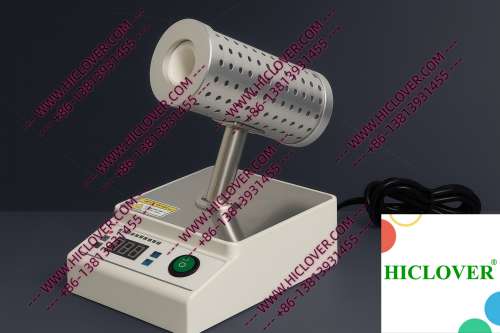
Laboratories, especially those operating under BSL-2 and BSL-3 guidelines, face significant challenges in maintaining sterility while simultaneously ensuring the safety of personnel. Traditional sterilization methods, like Bunsen burners or alcohol lamps, while common, present numerous problems, including:
- Open flames: Pose a risk for fire hazards, especially in cleanrooms and areas with volatile materials.
- Aerosol generation: Can lead to contamination and exposure in sensitive environments.
- Inconsistent heat application: May not achieve adequate sterilization consistently.
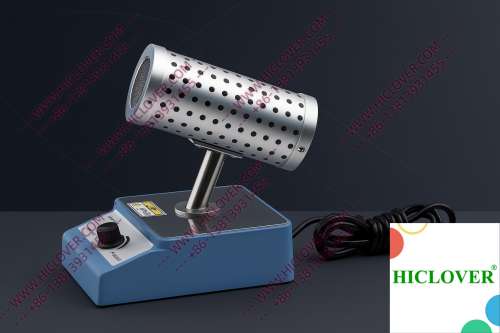
To address these issues, modern laboratories are turning to Micro Incinerators for their exceptional performance in rapid thermal sterilization and the ability to handle inoculating loops in a clean, closed environment.
Technical Principles of the Micro Incinerator
The Micro Incinerator employs infrared heat technology to ensure high-temperature disinfection of laboratory instruments. By utilizing an enclosed ceramic heating chamber, this device provides:
- Consistent heat distribution: Ensuring complete sterilization of inoculating loops.
- Fast heating times: Ready for use in less than a minute, promoting workflow efficiency.
- Aerosol-free handling: Improving safety for laboratory personnel and mitigating contamination risks.
The device’s design includes a meticulously crafted ceramic tube that radiates intense infrared energy, achieving sterilization temperatures rapidly without the need for open flames. This ensures an efficient and safe working experience, particularly in clean-bench laboratories and biosafety cabinets.
Applications in Real Lab Environments
Micro Incinerators find application in various laboratory scenarios:
1. Biosafety Cabinets
In BSL-2 and BSL-3 microbiology labs, the Micro Incinerator is an essential component. Located within biosafety cabinets, it allows researchers to sterilize inoculating loops swiftly without interrupting their work processes. This not only enhances efficiency but also minimizes contamination risks—all while adhering to stringent biosafety regulations.
2. University Teaching Labs
In teaching laboratories, where students are often introduced to microbiological techniques, the Micro Incinerator serves as a safe and effective learning tool. Its straightforward operation allows students to focus on technique and learning outcomes rather than the complexities of flame sterilization, ensuring a seamless educational experience.
Compliance and Environmental Considerations
Strict adherence to laboratory sterilization standards cannot be overlooked. Globally recognized guidelines from the World Health Organization (WHO) and local regulatory agencies dictate compliance for sterilization methods in labs handling potentially infectious materials. Some key compliance areas include:
- Minimizing open flame risks: Avoiding Bunsen burners in cleanrooms, where control over contamination is critical.
- Ventilation requirements: Ensuring that aerosol generation is kept to a minimum for safe laboratory operations.
- Environmental sustainability: The Micro Incinerator promotes responsible waste management, allowing for efficient waste reduction while maintaining high safety standards.
Countries with well-defined laboratory regulations, such as Germany, the UK, and the USA, have increasingly adopted high-efficiency loop incinerators in their research facilities, emphasizing the importance of advanced sterilization technology.
Micro Incinerator vs. Flame Sterilizers
| Feature | Micro Incinerator | Flame Sterilizers |
|---|---|---|
| Heating Method | Infrared | Open Flame |
| Risk of Aerosols | No | Yes |
| Speed of Sterilization | Instant (< 1 minute) | Variable |
| Safety | High | Moderate |
FAQs
What is a Micro Incinerator?
The Micro Incinerator is a high-efficiency sterilization device that uses infrared heat to rapidly disinfect inoculating loops and other lab tools, ensuring compliance with laboratory safety standards.
How does the Micro Incinerator ensure safety and efficiency?
With its enclosed ceramic tube and rapid heating capabilities, it eliminates the risk associated with open flames and aerosols, enhancing laboratory personnel safety while optimizing time and workflow.
In what laboratory settings is the Micro Incinerator recommended?
The Micro Incinerator is ideal for BSL-2 and BSL-3 labs, university teaching laboratories, and even mobile testing environments, providing sterile conditions without compromising biosafety.
Is the Micro Incinerator compliant with international biosafety standards?
Yes, the Micro Incinerator meets or exceeds WHO guidelines and various national standards, ensuring it operates safely within biosafety-compliant laboratories.
How does the Micro Incinerator compare in cost-effectiveness?
Although the initial investment may be higher than traditional flame sterilizers, the long-term savings in reduced contamination, improved productivity, and minimal maintenance make it a cost-effective choice.
Conclusion
In the landscape of laboratory sterilization, the Micro Incinerator / Infrared Inoculating Loop Sterilizer is a game-changer. By effectively addressing the biosafety challenges of traditional sterilization methods, it offers a robust solution for modern labs aiming to enhance safety and efficiency. Contact us today to explore how our high-efficiency sterilization equipment can redefine your laboratory practices, bringing you one step closer to sustainable and compliant operations.
Categories:
Tags: