
In Tokyo, the struggle with waste management is more than a logistical inconvenience; it’s a pressing public health and environmental challenge. As urban areas face increasing waste generation, the need for efficient, safe disposal methods becomes critical. For laboratories, particularly those dealing with biological materials, this challenge is compounded by stringent biosafety standards and the necessity for reliable sterilization equipment. Among the various solutions available, micro incinerators, specifically the Micro Incinerator / Infrared Inoculating Loop Sterilizer, stand out due to their effective, environmentally friendly design.
Biosafety Challenges in Laboratory Environments
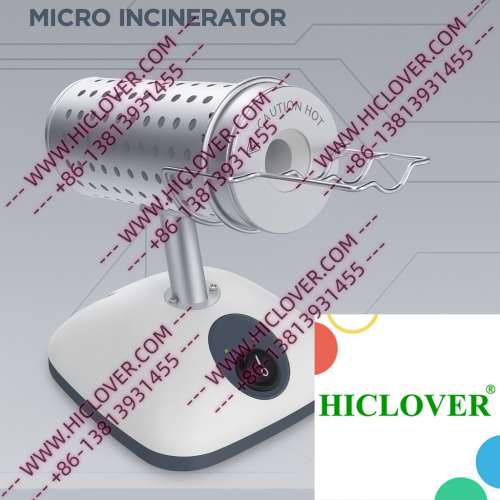
Laboratories, particularly BSL-2 and BSL-3 facilities, require high levels of biosafety and contamination control. Traditional methods of sterilization, such as alcohol lamps and Bunsen burners, present several issues, including the potential risk of burns, the generation of aerosolized pathogens, and the inability to guarantee complete sterilization in sensitive environments. In contrast, micro incinerators utilize advanced technology to provide rapid thermal sterilization that meets stringent compliance standards without the drawbacks associated with open flames.
Understanding the Technical Principles of Micro Incinerators
The Micro Incinerator operates on the principle of infrared radiation, effectively generating high temperatures within a contained ceramic heating chamber. This design allows for:
- Rapid Heating: Achieving sterilization temperatures quickly, reducing wait times.
- Aerosol-Free Handling: Eliminating the generation of airborne contaminants common with traditional flame sterilizers.
- Precision Sterilization: Targeting specific instruments, like inoculating loops, ensuring effective disinfection without affecting their structural integrity.
- What makes the Micro Incinerator different from traditional sterilizers?
The Micro Incinerator utilizes infrared heat for rapid and safe sterilization, eliminating the risks associated with open flames, such as burns and aerosol release of pathogens. - Can the Micro Incinerator be used in a BSL-3 laboratory?
Yes, it meets the strict biosafety standards required for BSL-3 labs, providing an effective method for sterilizing laboratory tools. - Is the Micro Incinerator easy to operate?
Absolutely! The device is user-friendly, designed with intuitive controls for efficient sterilization processes. - How does it comply with international biosafety regulations?
It adheres to WHO guidelines and other international standards by eliminating open flames, thus providing a safe work environment without sacrificing sterilization efficacy. - What types of laboratories benefit most from the Micro Incinerator?
Its versatility makes it ideal for university teaching labs, clinical diagnostics, and field testing laboratories.
Its compact configuration makes it suitable for various laboratory settings, integrating seamlessly into workflows that require stringent sterilization practices.
Application Scenarios in Real Labs
1. Biosafety Cabinets: In teaching laboratories and clinical diagnostics, where real-time experiments take place, the Micro Incinerator provides a quick and safe way to sterilize tools without the risks posed by traditional flame sterilizers. It’s designed to complement clean-bench operations, allowing students and researchers to focus on their tasks while ensuring rigorous safety standards are met.
2. Field Testing Labs: For mobile or field testing labs, where portability and efficiency are key, the Micro Incinerator’s lightweight but robust construction makes it a reliable tool. Scientists can perform sterilization on-site, particularly vital in research where environmental contamination could impact results.
3. University Teaching Labs: In educational environments, instructors can confidently demonstrate sterilization techniques without the hazards associated with flames, enhancing the learning experience and adherence to best practices in microbiology.
Regulatory Compliance and Environmental Impact
When discussing laboratory sterilization equipment, compliance with international biosafety standards is paramount. The World Health Organization (WHO) provides guidelines for laboratory practices to minimize infection risk. Moreover, micro incinerators align with standards that prohibit open flames in clean rooms, presenting a low-risk alternative for sterilization without compromising air quality.
Compared to traditional sterilization methods, micro incinerators not only ensure compliance with safety regulations but also promote environmental sustainability by minimizing waste and emissions associated with disposable items.
Comparison of Micro Incinerator vs. Flame Sterilizers
| Feature | Micro Incinerator | Flame Sterilizers |
|---|---|---|
| Heating Method | Infrared | Open Flame |
| Sterilization Speed | Rapid | Variable |
| Risk of Burns | Low | High |
| Aerosol Generation | No | Yes |
| Portability | High | Moderate |
Frequently Asked Questions
Conclusion: Embrace the Future of Laboratory Sterilization
As Tokyo continues to innovate in waste management and laboratory safety, the Micro Incinerator stands as a testament to modern sterilization technology. By addressing current biosafety challenges through efficient design and compliance, it offers laboratories in Japan and beyond a reliable solution to counteract contamination risks while promoting environmental stewardship. For laboratories seeking to enhance their sterilization workflows with advanced, safe technology, the Micro Incinerator is an investment worth considering. Reach out today to explore how it can transform your sterilization processes!
Categories:
Tags: