
In the realm of laboratory work, the primary challenge constantly faced is ensuring the utmost biosafety during sterilization procedures. Traditional methods, such as alcohol lamps or Bunsen burners, often fall short when it comes to meeting the rigorous demands of modern laboratories, especially in South Korea. The adoption of Micro Incinerators, specifically the Infrared Inoculating Loop Sterilizer, emerges as a promising solution to enhance sterilization workflows while complying with stringent safety standards.
Revolutionizing Laboratory Sterilization: The Technical Principle
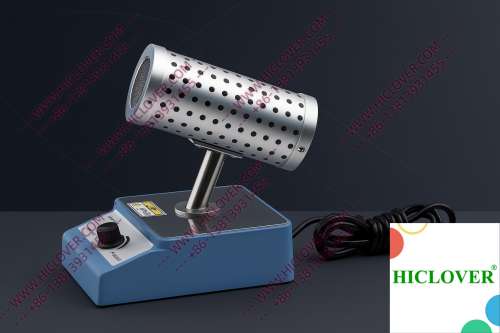
The Micro Incinerator is engineered for rapid thermal sterilization utilizing infrared heat. This technology enables precise and instant heating of the sterilizing element, which is typically enclosed within a durable ceramic tube. Unlike traditional flame-based methods that can produce hoarse flames and hazardous aerosols, the infrared system ensures a clean, controlled environment for sterilization, reducing the risk of contamination.
Key features of this device include:
- High-temperature disinfection without open flames
- Aerosol-free handling for improved biosafety
- Compact design suitable for various lab configurations
- Ability to reach sterilization temperatures in seconds
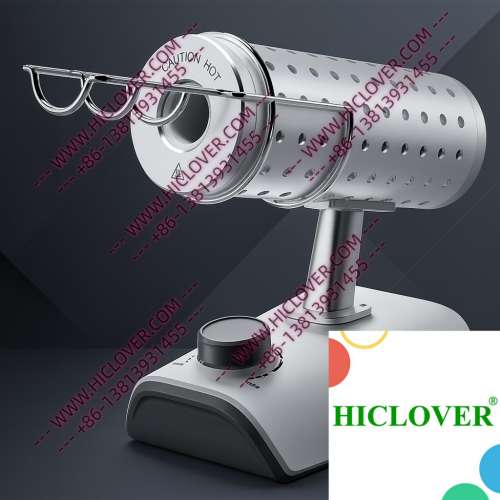
Practical Applications in Laboratories
Micro Incinerators find application in diverse laboratory settings. Two exemplary scenarios elucidate their utility:
Biosafety Cabinets
In BSL-2 and BSL-3 laboratories, maintaining a sterile environment is paramount. The Micro Incinerator integrates seamlessly into biosafety cabinets, allowing researchers to sterilize inoculating loops and other lab equipment without disrupting airflow or introducing contaminants. This specialized sterilization method minimizes the risk of cross-contamination and ensures that potentially dangerous microorganisms are effectively eradicated.
University Teaching Labs
University laboratories focused on microbiology and clinical diagnostics can also benefit immensely from Micro Incinerators. The ease of use and efficiency of these devices make them ideal for teaching environments where students need to learn proper sterilization techniques. By employing infrared inoculating loop sterilizers, educators can emphasize safety and best practices while demonstrating effective sterilization methodologies. In addition, the use of Micro Incinerators can foster greater student confidence through clean-bench-safe operations.
Compliance and Environmental Considerations
While the technical benefits of Micro Incinerators are compelling, compliance with WHO biosafety standards is equally crucial. In South Korea, laboratories are subjected to rigorous regulations concerning sterilization practices. The adoption of Micro Incinerators provides a sustainable pathway that aligns with national and international standards for laboratory safety.
Traditional flame sterilizers generate soot and smoke, complicating waste management and posing health threats in clean room environments. Conversely, Micro Incinerators not only promote minimal waste generation but also support environmental health through reduced pollution. Furthermore, their flame-free operation means they can be safely used in clean rooms where even small amounts of combustion by-products would be unacceptable.
Comparison of Micro Incinerators vs. Traditional Flame Burners
| Feature | Micro Incinerator | Traditional Flame Burners |
|---|---|---|
| Heating Method | Infrared | Open Flame |
| Aerosol Generation | No | Yes |
| Temperature Control | Precise | Variable |
| Compliance With Clean Room Standards | Yes | No |
| Speed of Sterilization | Instant | Delayed |
Frequently Asked Questions
1. What are the primary benefits of using a Micro Incinerator in a laboratory?
Micro Incinerators offer enhanced sterilization speed, improved biosafety with no aerosol generation, and compliance with stringent laboratory safety standards.
2. Can Micro Incinerators be used in field testing?
Absolutely! Their compact design makes Micro Incinerators ideal for mobile setups, such as field testing labs, ensuring easy sterilization away from traditional lab environments.
3. How does infrared sterilization compare to other methods?
Infrared sterilization is rapid, contamination-free, and environmentally friendly. Unlike traditional methods, it eliminates the hazards associated with open flames and aerosolized particles.
4. Are Micro Incinerators suitable for university teaching labs?
Yes! They provide a safe, reliable method for students to learn sterile techniques without the risks associated with flame sterilizers.
5. What standards do Micro Incinerators meet?
Micro Incinerators comply with WHO biosafety regulations and national laboratory sterilization standards, making them suitable for use in clinical diagnostics and microbiology labs.
Conclusion
In an era where laboratory efficiency, safety, and environmental consciousness are critical, Micro Incinerators like the Infrared Inoculating Loop Sterilizer pave the way for enhanced sterilization practices. By adopting this advanced technology, South Korean communities can address their sterilization challenges while prioritizing safety and compliance with high biosafety standards.
For more information on integrating Micro Incinerators into your laboratory workflow or to make a purchase, reach out to us today.
Categories:
Tags: