
In laboratory settings across India, biosafety challenges are becoming increasingly complex. As the field of biomedical research expands, the demand for effective sterilization methods has surged. Among the various solutions available, Micro Incinerators, particularly the Infrared Inoculating Loop Sterilizer, stand out for their efficiency and effectiveness in managing contamination control.
Understanding the Technical Principles of Micro Incinerators
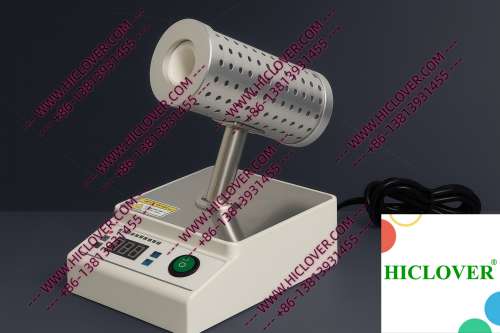
Micro Incinerators operate on the innovative principle of rapid thermal sterilization through infrared technology. These devices utilize an enclosed ceramic tube that achieves high temperatures rapidly, allowing for efficient disinfection without the need for an open flame. The infrared heating element is designed to provide controlled thermal energy, ensuring that inoculating loops and other lab implements are sterilized quickly and thoroughly in a safe manner.
Advantages Over Traditional Sterilizers
Micro Incinerators provide several advantages compared to traditional flame sterilizers (e.g., alcohol lamps and Bunsen burners), which include:
- Safety: Flame-free operation reduces the risk of burns and accidental fires.
- Efficiency: Infrared sterilization occurs rapidly, with temperatures reaching up to 850°C in just seconds.
- Contamination Control: Aerosol-free handling minimizes the risk of airborne contamination.
- Cleanroom Compatibility: Ideal for use in biosafety cabinets and clean rooms.
- What is the ideal temperature for sterilization using a micro incinerator? Micro Incinerators can reach temperatures up to 850°C, effectively sterilizing tools in seconds.
- Can micro incinerators be used in field testing labs? Yes, their portable design makes them ideal for field testing and remote laboratory settings.
- What are the maintenance requirements for a micro incinerator? Regular cleaning of the ceramic tube and ensuring the infrared elements work efficiently are vital maintenance steps.
- How do micro incinerators enhance laboratory safety? They eliminate the hazards associated with open flames and provide rapid sterilization without aerosol production.
- Are there specific certifications required for micro incinerators? Compliance with WHO biosafety standards and local laboratory safety regulations is essential.
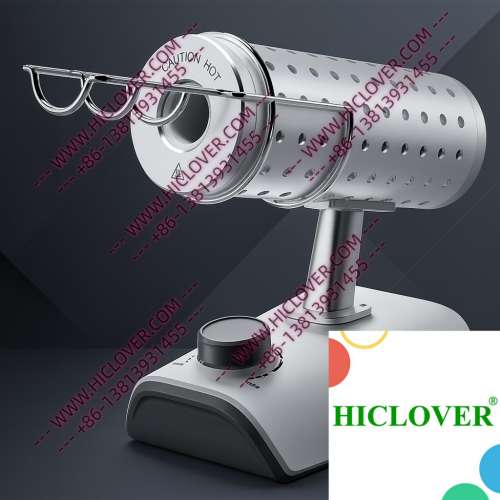
Real-World Applications of Micro Incinerators
Micro Incinerators have versatile applications in various laboratory environments, enhancing workflows and ensuring compliance with healthcare standards.
1. Use in BSL-2 and BSL-3 Microbiology Labs
In BSL-2 and BSL-3 laboratories, where microbial agents can pose a risk to personnel and the environment, the use of Micro Incinerators ensures that contamination risks are minimized. For instance, during the handling of potentially hazardous samples, utilizing an infrared inoculating loop sterilizer facilitates safe and effective sterilization, thereby maintaining biosafety protocols.
2. Teaching Labs in Universities
Educational institutions benefit significantly from incorporating Micro Incinerators into their laboratory curricula. Students practicing aseptic techniques can rely on this equipment for rapid sterilization, ensuring a safe learning environment. Instructors can focus on teaching critical biosafety skills without the additional risks associated with open flames.
Compliance and Environmental Considerations
Adhering to global biosafety standards is paramount in any laboratory setting, especially within India’s expanding research facilities. The World Health Organization (WHO) emphasizes strict sterility protocols, particularly in laboratories dealing with infectious agents. Traditional flame sterilizers often fall short in maintaining compliance due to the risks associated with open flames in clean environments.
Using Micro Incinerators not only supports adherence to WHO guidelines but also aligns with local regulations concerning laboratory safety standards. Moreover, implementing these devices reduces environmental impact, as they provide efficient sterilization without the harmful byproducts associated with other methods.
Micro Incinerators vs. Flame Burners: A Comparison
| Feature | Micro Incinerator | Flame Burner |
|---|---|---|
| Heat Source | Infrared | Open Flame |
| Efficiency | Rapid (< 10 seconds) | Slower (< 30 seconds) |
| Safety | Flame-free | Risk of Burns |
| Contamination Control | Aerosol-free | Open Flame Emissions |
| Cleanroom Compatibility | Ideal | Not Recommended |
Frequently Asked Questions
Conclusion
As India continues to strengthen its research and healthcare infrastructure, the importance of advanced sterilization methods cannot be overstated. Micro Incinerators, particularly the Infrared Inoculating Loop Sterilizer, provide essential solutions to the challenges faced in laboratory biosafety. Their efficiency, safety, and adherence to international standards make them a vital addition to any laboratory, from clinical diagnostics to university teaching labs.
If you’re looking to enhance your laboratory’s biosafety protocols with a top-of-the-line Micro Incinerator, contact us today to learn more about our offerings and make a purchase that promotes safety and efficiency.
Categories:
Tags: