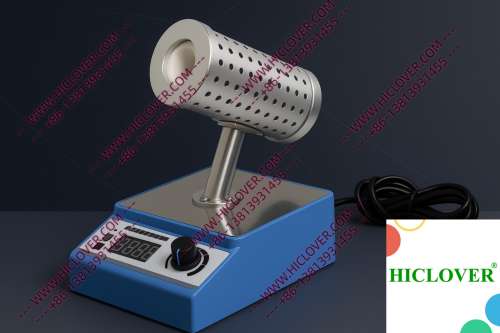
Laboratory sterilization is a fundamental process in ensuring biosafety, especially in environments handling pathogens or sensitive materials. As laboratory workflows evolve, the demand for innovative and reliable sterilization techniques grows. Traditional methods, such as alcohol lamps and Bunsen burners, face challenges in meeting the rigorous standards of clean environments while ensuring rapid thermal sterilization. Enter the Micro Incinerator, a groundbreaking solution designed to enhance sterilization protocols across various laboratory settings in Brazil and beyond.
Understanding Micro Incineration Technology
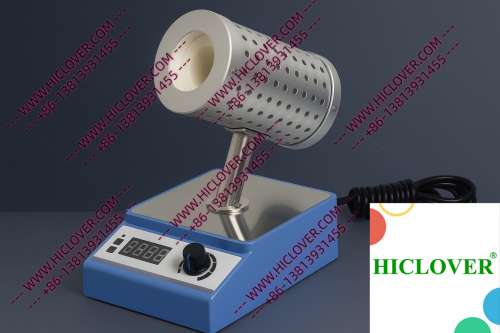
The Micro Incinerator, or Infrared Inoculating Loop Sterilizer, operates on the principle of concentrated infrared heat within a ceramic heating chamber. Unlike traditional flame-based devices, this technology utilizes high-temperature disinfection to sterilize inoculating loops and other lab instruments rapidly. The enclosed ceramic tube ensures optimal heat distribution, significantly reducing the risk of aerosol contamination that can arise from flame sterilizers.
Key Features of Micro Incinerators
- Non-Flame Operation: Designed for clean environments, the absence of open flames makes it safe to use in sterile areas like biosafety cabinets.
- Rapid Thermal Sterilization: Achieves sterilization in seconds, streamlining the workflow and increasing lab productivity.
- Compact Design: Perfect for teaching labs and field testing, allowing for easy transportation without compromising on safety or efficiency.
- Aerosol-Free Handling: Minimizes the risk of contamination, vital in BSL-2 and BSL-3 microbiology labs where precision is key.
- What types of items can the Micro Incinerator sterilize? The Micro Incinerator is designed for sterilizing inoculating loops, syringes, and other small instruments.
- Is the Micro Incinerator easy to operate? Yes, it features a user-friendly design, making it suitable for both experienced laboratory personnel and students.
- How does the Micro Incinerator ensure contamination control? By using infrared heat, it minimizes the risk of aerosols compared to traditional flame sterilizers.
- Can the Micro Incinerator be used in mobile or remote testing labs? Absolutely, its compact design makes it ideal for transportation without sacrificing performance.
- What are the compliance standards associated with using the Micro Incinerator? It aligns with WHO biosafety recommendations and relevant laboratory sterilization standards.
Applications of Micro Incineration Technology in Laboratories
The versatility of the Micro Incinerator makes it applicable in various laboratory settings, each with distinct sterilization demands. Here are two compelling scenarios where this technology is making a difference:
Biosafety Cabinets
In environments such as biosafety cabinets, researchers often handle potentially infectious materials. The Micro Incinerator addresses safety concerns by providing a reliable method for sterilizing inoculating loops without creating aerosols that may compromise the sterile workspace. Laboratory personnel can efficiently sterilize their tools between samples, maintaining a sterile environment while minimizing risk.
University Teaching Labs
In academic settings, teaching labs present unique challenges regarding safety and instructional quality. The Micro Incinerator allows students to perform exercises without the dangers associated with flame-based sterilization methods. By providing a user-friendly interface and rapid results, it enhances the learning experience while ensuring compliance with laboratory safety standards. Students gain hands-on experience with modern sterilization techniques that are crucial for their future careers in research and healthcare.
Compliance and Environmental Considerations
Meeting international biosafety standards is imperative for any laboratory, especially those involving clinical diagnostics or research on infectious agents. The World Health Organization (WHO) emphasizes safe laboratory practices, which include effective sterilization methods to prevent cross-contamination and ensure safety for laboratory personnel and the environment.
Micro Incinerators comply with stringent sterilization standards, eliminating the hazards associated with flame-based devices, such as the production of combustion byproducts that can be harmful in controlled environments. Their use in clean rooms, where no flames are permitted, underscores their importance in maintaining laboratory integrity and compliance with environmental safety regulations.
Micro Incinerator vs. Flame Sterilizers: A Comparative Overview
| Feature | Micro Incinerator | Flame Sterilizers |
|---|---|---|
| Operation | Infrared heat, no flame | Open flame (Bunsen burner, alcohol lamp) |
| Safety | Low risk of fire and aerosol contamination | High risk of burns and contamination |
| Speed | Rapid sterilization (seconds) | Variable (dependent on flame management) |
| Usability in Clean Environments | Ideal for clean rooms, no flames allowed | Not suitable for clean rooms |
Frequently Asked Questions
Conclusion
With Brazil’s laboratory landscape increasingly leaning towards innovative solutions, the Micro Incinerator stands out as a promise for improved efficiency and safety in sterilization processes. Its compliance with biosafety regulations and ability to maintain sterile environments is invaluable, particularly in clinical diagnostics and research settings. By investing in micro incineration technology, laboratories can enhance their workflows while adhering to the highest standards of safety and contamination control. For more information or to discuss purchasing options, please contact us today!
Categories:
Tags: