
In the quest for sustainability, cities across the globe are confronting the dual challenges of waste management and the need for effective sterilization processes in laboratories. The modern laboratory environment, especially in biosafety contexts, faces stringent demands for contamination control and rapid thermal sterilization. This is where high-efficiency micro incinerators, particularly the Micro Incinerator / Infrared Inoculating Loop Sterilizer, play a pivotal role in bridging the gap between these needs.
Practical Laboratory Biosafety Challenges
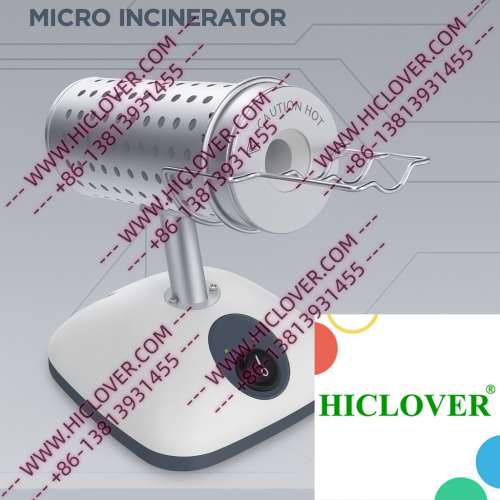
Laboratories operating at BSL-2 and BSL-3 levels must comply with rigorous regulatory frameworks established by organizations such as the WHO and various national health authorities. The workflow often demands quick and efficient sterilization methods that minimize the risk of contamination while maintaining operational flow. Traditional flame sterilizers, such as alcohol lamps and Bunsen burners, have long been a staple in laboratory settings, but their use can introduce hazards such as flame flares, the release of aerosols, and thermal damage to sensitive equipment.
Technical Principles of Micro Incinerators
At the heart of micro incinerators like the Micro Incinerator / Infrared Inoculating Loop Sterilizer lies a technological innovation: infrared heat. Utilizing an enclosed ceramic tube, these devices provide targeted and efficient heating that rapidly achieves sterilization temperatures. Unlike traditional flame-based systems, which can be unpredictable, the infrared method ensures a clean-bench-safe environment devoid of combustion by-products.
Key Features: Rapid on/off heating, aerosol-free operation, compact design, and minimal power consumption.
Application Scenarios in Real Labs
Micro incinerators find their applications in various laboratory settings:
- Biosafety Cabinets: In microbiology labs, micro incinerators are employed to sterilize inoculating loops and tools without compromising the clean air conditions of the biosafety cabinet.
- Field Testing: For mobile labs in remote areas, the portability and efficiency of micro incinerators allow scientists to conduct sterilization swiftly, eliminating environmental impact and ensuring operational readiness.
- University Teaching Labs: In academic settings, students gain hands-on experience in sterilization techniques that align with industry standards, promoting a culture of safety and sustainability.
Compliance and Environmental Considerations
Adhering to biosafety regulations is paramount in laboratory operations. The Micro Incinerator supports compliance with international sterilization standards by not producing open flames, which is crucial for maintaining safe environments such as clean rooms and high-containment labs. Furthermore, the absence of flames reduces the risk associated with combustion, making it an excellent choice for labs where chemical fumes are present.
Regions like Germany and Singapore have stringent guidelines that necessitate safe sterilization practices. Implementing micro incinerators aligns with these standards while facilitating eco-friendly disposal methods by obliterating materials that may contribute to waste if not managed correctly.
Comparison: Micro Incinerator vs. Traditional Flame Sterilizers
| Feature | Micro Incinerator | Flame Sterilizer |
|---|---|---|
| Heating Method | Infrared heat | Open flame |
| Contamination Risk | Low | High |
| Power Consumption | Efficient | Variable |
| Temperature Control | Precise | Unstable |
| Portability | High | Medium |
FAQs: Understanding Micro Incinerators
- What is the primary function of a micro incinerator in laboratories? The micro incinerator efficiently sterilizes inoculating loops and tools by utilizing infrared heat for rapid disinfection.
- How does the micro incinerator compare to traditional sterilizers? It offers a safer, more efficient, and environmentally friendly alternative with precise temperature control and minimal contamination risk.
- Can micro incinerators be used in field testing labs? Absolutely. Their portability and compact design make them ideal for remote locations requiring effective sterilization solutions.
- Are micro incinerators compliant with WHO standards? Yes, these devices meet international biosafety standards, ensuring safe usage in various laboratory settings.
- What advantages do micro incinerators provide for teaching labs? They enhance safety by eliminating risks associated with open flames, thus promoting effective learning in sterilization techniques.
Conclusion: Revolutionizing Laboratory Practices
As urban centers increasingly demand sustainable solutions, introducing high-efficiency micro incinerators into laboratory practices addresses both sterilization needs and environmental concerns. Their advanced technology ensures compliance with regulatory standards while promoting safety and efficiency.
If you are seeking to optimize laboratory sterilization processes or replace traditional flame-based systems with safer, more effective alternatives, consider the Micro Incinerator / Infrared Inoculating Loop Sterilizer. Get in touch to explore how this innovative equipment can enhance your lab’s workflow and support sustainability goals.
Categories:
Tags: