
In the fast-paced environment of laboratories, cleanliness and safety are paramount. The demand for effective sterilization is driven by the need to eliminate contamination risks in various biosafety settings, from university teaching labs to clinical diagnostics. As researchers and educators tackle biosafety challenges, the ability to integrate efficient laboratory sterilization equipment is critical. One such essential product is the Micro Incinerator, also known as the Infrared Inoculating Loop Sterilizer. This article delves into the pricing trends in Portland, highlighting the critical aspects of this advanced sterilization solution.
Laboratory Biosafety and Sterilization Workflow Demands
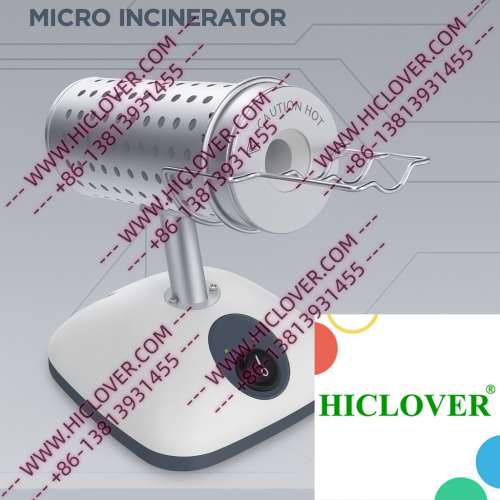
Laboratories, particularly those adhering to BSL-2 and BSL-3 standards, are increasingly focusing on biosafety compliance. The challenge lies in balancing the sterilization process while ensuring minimal disruption to workflow efficiency. Traditional flame sterilizers, such as alcohol lamps and Bunsen burners, while effective, pose risks such as flame hazards and aerosol generation that may impede cleanroom integrity. Thus, modern labs are turning to technologies like the Infrared Inoculating Loop Sterilizer for their sterilization needs.
Technical Principles of Micro Incinerators
The Micro Incinerator utilizes infrared heat technology, which allows for rapid thermal sterilization without the hazards that accompany traditional flame-based methods. At its core is a ceramic heating chamber, designed to achieve high-temperature disinfection in seconds. The enclosed setup not only offers greater safety but also ensures that aerosol-free handling is maintained, crucial in sensitive environments such as biosafety cabinets or during field testing applications.
Application Scenarios in Real Labs
- Biosafety Cabinets: In BSL-2 laboratories, the Micro Incinerator is an indispensable tool for sterilizing inoculating loops and needles. The compact design seamlessly fits within biosafety cabinets, facilitating sterile transfers without compromising airflow or safety protocols.
- Field Testing: In situations requiring mobile sterilization, such as environmental sampling or field diagnostics, the light weight and portability of the Infrared Inoculating Loop Sterilizer prove invaluable. Lab technicians can perform rapid sterilization on-site, reducing the risk of contamination during sample collection.
Compliance and Environmental Standards
Compliance with international biosafety regulations, including those set forth by the World Health Organization (WHO), is vital for research and clinical laboratories. Lab sterilization equipment must meet stringent lab sterilization standards to ensure worker safety and environmental protection. Notably, the Infrared Inoculating Loop Sterilizer is engineered to operate safely in clean rooms, where open flames pose significant hazards. Its design minimizes the risk of flammable materials igniting, aligning with compliance regulations focused on maintaining a sterile environment.
Comparative Analysis: Micro Incinerator vs. Traditional Flame Burners
| Feature | Micro Incinerator | Flame Burners (e.g., Bunsen Burner) |
|---|---|---|
| Heating Method | Infrared heat | Open flame |
| Temperature Control | Precise and stable | Difficult to control |
| Aerosol Generation | None | Possible |
| Safety | Clean-bench-safe | Risk of ignition |
| Portability | Highly portable | Less portable |
Pricing Trends in Portland
As with any specialized laboratory equipment, the pricing for the Infrared Inoculating Loop Sterilizer can vary based on several factors, including manufacturer’s reputation, product features, and regional market demand. In Portland, the average price range for a high-quality Micro Incinerator typically fluctuates between $300 and $800. As the bioscience sector continues to grow, the demand for such sterilization equipment remains steady, influencing market pricing structures.
FAQs About Loop Sterilizers
- What makes Infrared Inoculating Loop Sterilizers safer than traditional methods? Their enclosed design prevents open flames, reducing the risk of fire hazards and aerosol contamination.
- Are Micro Incinerators compliant with WHO biosafety regulations? Yes, they meet the required standards for safe sterilization in various laboratory environments.
- How quickly can an Infrared Inoculating Loop Sterilizer sterilize a loop? This device can achieve sterilization in just a few seconds, significantly increasing workflow efficiency.
- Is it portable enough for field applications? Absolutely! The lightweight design allows for easy transport in mobile lab setups.
- Can I use it in a cleanroom environment? Yes, it is designed specifically for safe operation in cleanroom settings, minimizing contamination risks.
Conclusion
As laboratories in Portland and across the globe increasingly prioritize safety, efficiency, and compliance in sterilization processes, the adoption of Micro Incinerators becomes essential. By eliminating the risks associated with traditional flame sterilizers and providing rapid thermal sterilization, these devices meet the rigorous demands of modern laboratory workflows. If you’re ready to elevate your sterilization practices while ensuring safety and compliance, consider investing in an Infrared Inoculating Loop Sterilizer today.
Categories:
Tags: