
In the realm of modern laboratory practices, where containment and decontamination are paramount, the necessity for advanced sterilization methods has never been greater. Laboratories face daily challenges posed by biological contaminants and cross-contamination during experimentation, leading to a surge in the adoption of innovative technologies such as the Micro Incinerator / Infrared Inoculating Loop Sterilizer. This cutting-edge device represents a shift in sterilization workflow demands, offering rapid and effective thermal sterilization that significantly mitigates the risk of infection and contamination.
The Technical Principles Behind Infrared Sterilization
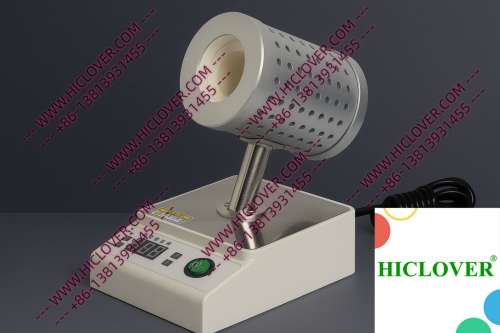
The Micro Incinerator operates using a high-temperature infrared heating principle. This technology relies on an enclosed ceramic heating chamber that provides consistent, efficient, and rapid heating. When a sterilizing loop is placed in the chamber, it is subjected to direct infrared heat, achieving optimal temperatures that facilitate high-temperature disinfection. Importantly, this process can happen in seconds—not minutes—ensuring that laboratory personnel can maintain high productivity without compromising safety.
Contrarily, traditional flame sterilizers such as alcohol lamps and Bunsen burners are prone to variations in heat distribution, risk of flame accidents, and their generation of aerosols that can compromise the sterile environment. In contrast, the Micro Incinerator’s innovative design provides aerosol-free handling and prevents flame hazards, making it a safer choice in sensitive environments.
Applications of the Micro Incinerator in Various Laboratory Settings
1. BSL-2 / BSL-3 Microbiology Labs
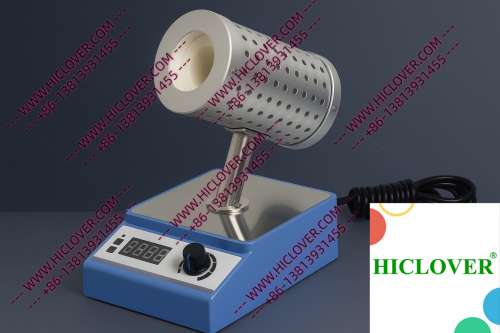
In BSL-2 and BSL-3 laboratories, where high-level biosafety is imperative due to the nature of the pathogens being handled, the Micro Incinerator is essential. By enabling rapid thermal sterilization of inoculating loops and other tools, laboratory personnel can ensure a sterile working environment for the cultivation of microbes, without the risks associated with open flames. Its application greatly enhances the overall biosafety protocol.
2. University Teaching Labs
In academic settings, particularly in university teaching labs, the Micro Incinerator serves as a vital educational tool. Students can learn proper handling of microbial cultures with enhanced safety measures. The precision and efficiency of this sterilizer minimize laboratory downtime, allowing for more effective training and learning experiences.
“Implementing the Micro Incinerator in educational laboratories is a game-changer for both safety and learning outcomes.”
Compliance and Environmental Considerations
Compliance with international and national biosafety standards is crucial for laboratories engaged in medical, clinical, and research projects. Guidelines established by organizations such as the World Health Organization (WHO) and local regulatory bodies in cities like New York or Los Angeles mandate stringent sterilization protocols. The Micro Incinerator aligns with these guidelines, as it operates distinctly without open flames, making it suitable for clean rooms and minimizing contamination risks.
- WHO Biosafety Guidelines: Emphasizes the need for sterilization devices that comply with industry standards.
- Laboratory Sterilization Standards: Adopts methods that ensure effective disinfection without compromising safety.
- Clean Room Operation: Prohibiting flames further necessitates the use of flame-free sterilization methods like the Micro Incinerator.
A Comparison of Micro Incinerators and Traditional Flame Burners
| Feature | Micro Incinerator | Flame Burner |
|---|---|---|
| Heating Method | Infrared Heat | Open Flame |
| Response Time | Seconds | Minutes |
| Contamination Risk | Low | High |
| Ease of Use | Simple, one-button operation | Requires skill to manage flame |
FAQs About Micro Incinerators and Sterilization
- What is the primary advantage of using a Micro Incinerator over traditional methods? The primary advantage is its rapid thermal sterilization capability without the risks associated with flames, leading to safer laboratory practices.
- Can a Micro Incinerator be used outside of laboratory settings? Yes, it is suitable for field testing where portable sterilization solutions are necessary.
- How does the Micro Incinerator meet biosafety standards? It provides flame-free sterilization, adhering to WHO guidelines, reducing contamination risks in sensitive areas.
- Is the Micro Incinerator easy to maintain? Yes, it requires minimal maintenance and is designed for long-term use in busy laboratory environments.
- What types of laboratories benefit most from using a Micro Incinerator? BSL-2 and BSL-3 laboratories, as well as educational institutions, benefit significantly from its quick and safe sterilization capabilities.
Conclusion
As laboratories around the globe grapple with the realities of biosafety challenges, adopting stringent sterilization measures is not just necessary—it is essential. The Micro Incinerator / Infrared Inoculating Loop Sterilizer stands out as a critical tool that elevates contamination control practices within various laboratory environments, from clinical diagnostics to teaching labs. Ensure your laboratory is equipped with the latest in sterilization technology for optimal safety and efficiency. Contact us today to learn more about how you can enhance your laboratory’s sterilization workflow with our innovative solutions.
Categories:
Tags: