
In the modern world of scientific research and clinical diagnostics, maintaining a sterile environment is essential to ensure accurate results and the safety of personnel. Labs face a myriad of biosafety challenges, ranging from contamination risks to compliance with stringent regulatory standards. In this context, a reliable biosafety workstation sterilizer becomes a cornerstone of laboratory operations. The Micro Incinerator / Infrared Inoculating Loop Sterilizer stands out as a pivotal tool for efficient sterilization processes, addressing many of these challenges effectively.
Understanding the Technical Principles of Infrared Sterilization
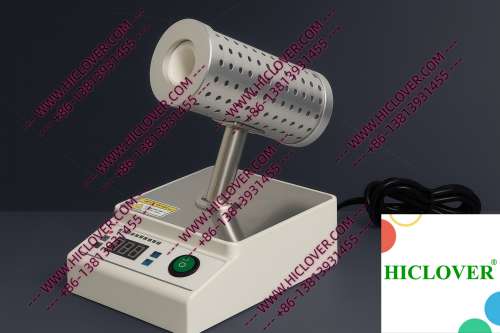
At the heart of the Micro Incinerator’s function is the principle of rapid thermal sterilization. This innovative device employs infrared heat, which targets microorganisms with a high-temperature disinfection capability while being gentle on the structural integrity of lab tools. The enclosed ceramic tube allows for even heat distribution, ensuring that tools are sterilized uniformly without the disadvantages associated with traditional open flame sterilizers, such as alcohol lamps or Bunsen burners.
This encapsulated design promotes aerosol-free handling, which is critical in maintaining a biosafe lab environment. Unlike traditional methods that can produce hazardous fumes and flames, the Micro Incinerator provides a clean-bench-safe solution for sterilizing inoculating loops, needles, and other laboratory instruments quickly and effectively.
Applications of the Micro Incinerator in Real Labs
1. University Teaching Labs
In university teaching labs, where students are trained in microbiology protocols, the need for an efficient & safe sterilization process is paramount. The Micro Incinerator allows for quick sterilization between uses, minimizing the waiting time for students and thereby enhancing the learning experience. During practical sessions, students can focus on understanding the scientific concepts without the worry of contamination, leading to more accurate experimental outcomes.
2. BSL-2 / BSL-3 Microbiology Labs
In BSL-2 and BSL-3 environments where potentially infectious agents are handled, biosafety becomes even more critical. The use of a Micro Incinerator provides a reliable method for sterilizing instruments without open flames, minimizing risks associated with ignition of flammable materials. Its compact design allows easy integration into biosafety cabinets, providing a safe and efficient sterilization method that meets rigorous laboratory safety standards.
Compliance and Environmental Considerations
Laboratories must adhere to various biosafety guidelines established by organizations like the World Health Organization (WHO). These guidelines emphasize the need for effective sterilization practices to prevent laboratory-acquired infections and environmental contamination. Standards such as ISO 9001 dictate the operational benchmarks for laboratory sterilization, including those using incinerators.
Additionally, many cleanrooms and laboratory environments explicitly prohibit the use of open flames. The Micro Incinerator’s non-flame technology ensures that sterilization can occur in any environment, facilitating compliance with these regulations while maintaining laboratory integrity.
Comparison of Sterilization Methods
| Feature | Micro Incinerator | Traditional Flame Sterilizers |
|---|---|---|
| Heat Source | Infrared heat | Open flame |
| Contamination Risk | Low (enclosed design) | High (possible aerosolization) |
| Workspace Safety | Clean-bench-safe | Flammable hazards |
| Heat Distribution | Even, rapid thermal sterilization | Uneven, slower sterilization |
| Mobility | Portable and compact | Often large and cumbersome |
Frequently Asked Questions
- What types of instruments can be sterilized using the Micro Incinerator?
The Micro Incinerator is suitable for sterilizing inoculating loops, needles, and other small laboratory instruments. - How does the Micro Incinerator ensure compliance with laboratory safety standards?
With its enclosed design and use of infrared heat, the Micro Incinerator minimizes contamination risks and adheres to guidelines set by WHO and other regulatory bodies. - Can the Micro Incinerator be used in field testing environments?
Yes, its compact and portable design makes it ideal for mobile testing labs that require reliable sterilization methods. - Is it safe to use the Micro Incinerator in a biosafety cabinet?
Absolutely, it is designed to be safely integrated into biosafety cabinets, providing a clean and efficient sterilization solution. - What are the main advantages of using infrared sterilizers over traditional flame methods?
Infrared sterilizers provide quicker sterilization, reduced contamination risk, and improved safety in sterile environments compared to traditional flame methods.
Conclusion
In conclusion, the importance of a reliable biosafety workstation sterilizer in any laboratory cannot be overstated. The Micro Incinerator / Infrared Inoculating Loop Sterilizer offers an efficient, safe, and compliant solution that meets the diverse needs of modern laboratories, from clinical diagnostics to educational settings. Investing in this advanced sterilization technology not only enhances productivity and safety but also ensures adherence to rigorous biosafety standards. For those looking to upgrade their sterilization processes, contact us for more information or to place an order today!
Categories:
Tags: