
Laboratory settings, especially in clinical diagnostics and research facilities, face unique biosafety challenges that significantly influence sterilization workflows. Biological contaminants can pose severe risks not only to lab personnel but also to the integrity of ongoing experiments. Traditional sterilization methods, such as alcohol lamps and Bunsen burners, while commonly used, often fall short in providing the required contamination control and safety in modern laboratory environments. This article delves into the advantages of adopting a sensor-controlled loop sterilizer, like the Micro Incinerator or Infrared Inoculating Loop Sterilizer, as a superior solution.
Understanding the Technical Principles
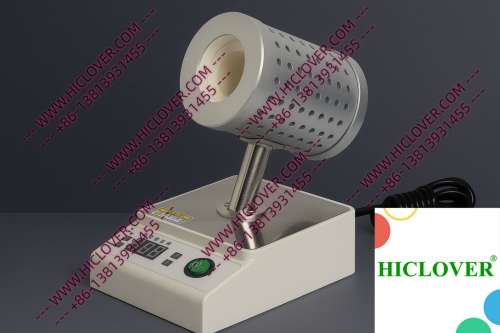
The principle behind infrared sterilization involves the use of rapid thermal energy generated through infrared radiation. The Micro Incinerator features a closed ceramic heating chamber that reaches high temperatures necessary for effective sterilization. This enclosed design not only minimizes aerosol generation but also ensures that all parts of the tool reach the desired sterilization temperature quickly, promoting efficient and thorough disinfection.
Here’s how it works:
- Infrared Heating: Infrared energy heats the inoculating loop uniformly, providing consistent temperature throughout the loop’s surface.
- Rapid Thermal Sterilization: With heating times as short as 5-10 seconds, operators can quickly cycle between sterilizations, enhancing workflow efficiency.
- Clean-Bench-Safe Design: The no-flame configuration minimizes risks in clean environments, avoiding air turbulence around sterile surfaces.
- WHO Biosafety Guidelines: These emphasize minimizing aerosol generation and ensuring that all procedures are safe for lab workers. The Micro Incinerator meets these requirements effectively.
- Laboratory Sterilization Standards: The uniquely designed sterilizer adheres to stringent regulations and specifications, making it suitable for a variety of laboratory settings.
- No Flame Requirement: In clean rooms and during sensitive procedures such as using CO₂ incubators or anaerobic chambers, avoiding open flames significantly reduces contamination risks.
Application Scenarios in Real Labs
Understanding the practical applications of the sensor-controlled loop sterilizer sheds light on its versatile functionality across various laboratory environments.
1. Biosafety Cabinets
In BSL-2 and BSL-3 microbiology labs where the handling of pathogenic organisms is routine, the Micro Incinerator offers an ideal solution. The rapid and efficient sterilization minimizes contamination risks, allowing researchers to work safely with hazardous materials without the complications associated with open flames. Furthermore, its enclosed heating mechanism prevents the aerosolization of microbial agents, protecting sensitive biological samples and lab personnel alike.
2. Field Testing Laboratories
Field testing, particularly during microbiological surveys, often takes place in environments without the luxury of a sterile setting. Mobile labs benefit greatly from the compact design and ease of use of infrared inoculating loop sterilizers. Since these devices are portable and ready to operate independently of the power grid, they can efficiently sterilize inoculating loops on-site, making them invaluable for environmental monitoring or public health assessments.
Biosafety Compliance and Environmental Considerations
Laboratory sterilization is heavily regulated to ensure the safety of laboratory personnel and the environments they work in. Compliance with standards set forth by organizations such as the World Health Organization (WHO) shapes the equipment selection process.
Consider the following compliance aspects associated with the Micro Incinerator:
Advantages Over Traditional Flame Sterilizers
The transition from traditional methods like alcohol lamps and Bunsen burners to a sensor-controlled loop sterilizer offers numerous advantages. Below is a comparison table illustrating the differences:
| Feature | Micro Incinerator | Flame Sterilizers |
|---|---|---|
| Speed of Sterilization | 5-10 seconds | Variable (often longer) |
| Contamination Control | No aerosol generation | Possible aerosol spread |
| Operator Safety | No open flame | Flame-related hazards |
| Versatility | Portable and compact | Less portable |
| Environment Impact | Low emissions | Higher emissions |
FAQs
1. What is the primary advantage of using a Micro Incinerator over traditional flame sterilizers?
The key advantage is the speed and efficiency of sterile handling, alongside enhanced safety due to the absence of an open flame, which greatly reduces the risk of contamination and operator injury.
2. Can the Micro Incinerator be used in constrained spaces like a biosafety cabinet?
Absolutely! Its compact design makes it very suitable for use in biosafety cabinets, ensuring effective and safe sterilization even in limited spaces.
3. How does the Micro Incinerator comply with biosafety standards?
This sterilizer adheres to regulations set by the WHO and other laboratory safety organizations, focusing on reducing contamination risks and promoting safe operating environments.
4. Is the Micro Incinerator portable for field applications?
Yes, its lightweight design makes it ideal for field testing applications, allowing for on-the-spot sterilization in diverse environments.
5. How quickly can I expect to achieve sterilization with this device?
The Micro Incinerator can achieve rapid sterilization in as little as 5-10 seconds, which enhances the efficiency of laboratory workflows.
Conclusion
As labs continue to innovate and elevate their biosafety practices, the need for reliable and efficient sterilization tools becomes essential. The Micro Incinerator/Infrared Inoculating Loop Sterilizer not only meets regulatory standards but also addresses the practical demands of modern laboratories across various settings—from BSL-2 and BSL-3 microbiology labs to teaching environments and field-testing scenarios. Investing in such advanced sterilization technology can elevate lab safety and efficiency.
If you’re ready to enhance your lab’s capabilities and ensure unparalleled sterilization practices, don’t hesitate to contact us or explore our product offerings today!
Categories:
Tags: