
In the realm of microbiology, maintaining laboratory biosafety is a paramount challenge. The risk of contamination can have dire repercussions, not just for individual experiments but for the integrity of research as a whole. As the demand for rigorous sterilization workflows increases, so does the necessity for advanced sterilization equipment like the Micro Incinerator or Infrared Inoculating Loop Sterilizer. These devices provide effective and rapid thermal sterilization, ensuring contamination control is upheld without the downsides associated with traditional sterilization methods.
Understanding the Technical Principle Behind Micro Incinerators
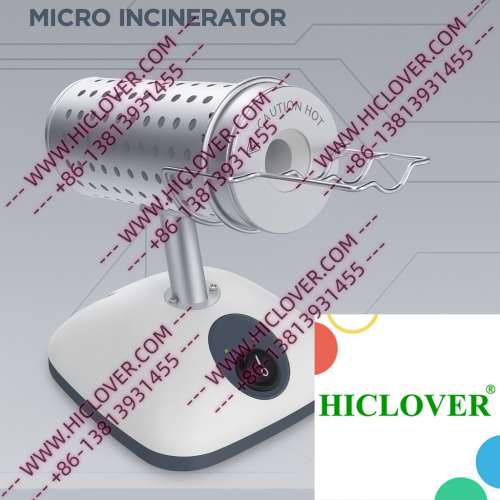
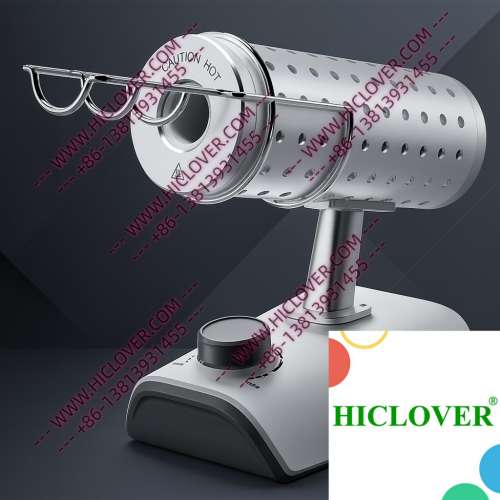
The Micro Incinerator utilizes infrared heat technology, generating high temperatures that facilitate sterilization in mere seconds. This device features a ceramic heating chamber, which allows for the efficient transfer of heat to inoculating loops and other instruments. Unlike flame sterilizers, which can produce aerosols and pose safety risks, this enclosed design ensures a clean, controlled environment that is essential for BSL-2 and BSL-3 microbiology labs. The precision of infrared high-temperature disinfection results in a fast, effective solution for eliminating contaminants.
Application Scenarios in Real Labs
- Biosafety Cabinets: In a BSL-2 or BSL-3 environment, using a Micro Incinerator within a biosafety cabinet minimizes the risk of contamination and allows researchers to work safely while sterilizing tools quickly.
- Field Testing: Mobile laboratories often encounter situations where traditional methods are impractical. The compact design and quick operation of infrared inoculating loop sterilizers make them perfect for field tests, ensuring that scientists can stay focused on their research without compromising safety.
- University Teaching Labs: For educational institutions, providing students with effective tools not only enhances their learning experience but also emphasizes the importance of laboratory safety protocols. An infrared sterilizer proves to be a vital teaching resource, showcasing modern sterilization techniques.
- Rapid Sterilization: Achieve sterilization in seconds, improving workflow efficiency.
- Enhanced Safety: The closed-system design eliminates the risk of fire hazards associated with flame-based methods.
- Contamination Control: Prevent aerosol development, thus ensuring a cleaner working environment.
- Versatility: Suitable for use in various settings, from teaching labs to mobile research teams.
- Cost-Effective: Reduced maintenance and consumable costs compared to traditional solutions.
Compliance and Environmental Considerations
Adhering to global standards such as WHO biosafety guidelines and laboratory sterilization protocols is non-negotiable for any microbiology lab. Traditional flame-based sterilization methods are often unsuitable in cleanroom environments due to the risks of flame exposure and aerosol production. The Micro Incinerator, with its clean, enclosed design, offers a compliant alternative that meets rigorous sterilization standards, ensuring both operator safety and environmental protection. Labs can achieve necessary compliance while minimizing risks associated with open flames.
Micro Incinerator vs. Traditional Flame Sterilizers
| Feature | Micro Incinerator | Flame Sterilizers |
|---|---|---|
| Heat Source | Infrared | Open Flame |
| Aerosol Production | No | Yes |
| Ease of Use | Fast, One-Handed Operation | Requires Caution |
| Environmental Safety | High | Low |
Key Benefits of Using a Micro Incinerator
When considering laboratory sterilization equipment, the Micro Incinerator stands out for numerous reasons:
FAQs about Micro Incinerators
What is the main advantage of a Micro Incinerator compared to traditional flame sterilizers?
The main advantage is its ability to provide rapid, safe sterilization without producing aerosols, making it ideal for use in clean environments and BSL-2 and BSL-3 facilities.
Can a Micro Incinerator be used in field settings?
Yes, its compact design and instant operation make it suitable for mobile labs, allowing for effective sterilization on-site.
How does the Micro Incinerator comply with laboratory safety standards?
It operates within closed systems, adhering to WHO and other international biosafety protocols, making it a compliant alternative to flame sterilizers.
Is it easy to maintain a Micro Incinerator?
Yes, they generally require minimal maintenance compared to flame-based systems, which demand more rigorous oversight and care.
What types of labs can benefit from a Micro Incinerator?
BSL-2 and BSL-3 labs, teaching institutions, and field research settings all benefit significantly from the efficiency and safety provided by this sterilization device.
Conclusion
In the modern microbiology lab, ensuring efficient sterilization while maintaining strict biosafety standards is critical. The Micro Incinerator / Infrared Inoculating Loop Sterilizer not only delivers rapid thermal sterilization but also prioritizes the safety of laboratory personnel and the integrity of research outcomes. For those looking to enhance their laboratory workflows, this advanced sterilization solution is a worthy investment. Contact us today to explore how our Micro Incinerators can meet your laboratory needs.
Categories:
Tags: