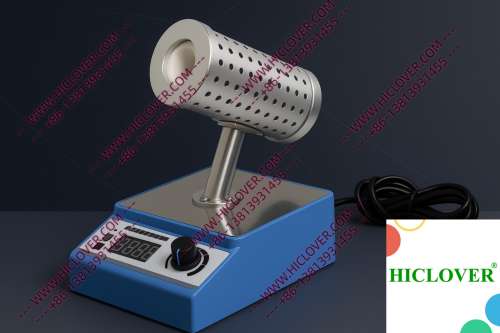
Laboratory biosafety remains a paramount concern for researchers and technicians working across diverse scientific disciplines. With the increasing complexity of experiments and the necessity for contamination control, the demand for effective sterilization methods has intensified. Amid this backdrop, the Micro Incinerator, also known as an Infrared Inoculating Loop Sterilizer, emerges as an indispensable component of every researcher’s toolkit.
Understanding the Micro Incinerator: Technical Principles
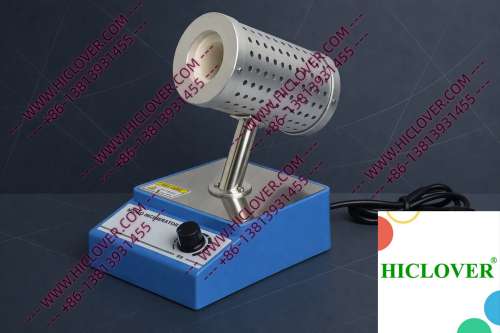
The Micro Incinerator operates on a simple yet effective principle: rapid thermal sterilization using infrared heat. Unlike traditional flame sterilizers such as alcohol lamps or Bunsen burners, this innovative device utilizes an enclosed ceramic heating chamber to achieve high temperatures in a clean and controlled environment.
This enclosed design minimizes the risk of aerosol generation, thus ensuring a safer work environment, especially in BSL-2 and BSL-3 laboratories where potential pathogens are handled. The infrared heat not only allows for instant sterilization but also eliminates the possibility of flame hazards, making it suitable for use in cleanrooms or when working under a biosafety cabinet.
Applications in Real Laboratories
The Micro Incinerator finds application in various laboratory settings, including:
- Biosafety Cabinets: In BSL-2 laboratories, researchers often work in biosafety cabinets to prevent contamination. The Micro Incinerator fits neatly within the cabinet, providing a reliable sterilization method without compromising sterile conditions.
- Field Testing and Mobile Labs: Researchers conducting field tests in remote locations benefit from the portability of the Micro Incinerator. Lightweight and easy to transport, this device is essential for ensuring that sterile techniques can be maintained outside the traditional laboratory environment.
- Teaching Labs: In educational settings, the safety of students is critical. Using a Micro Incinerator instead of open flames reduces the risk of accidents, making it an ideal teaching tool for demonstrating microbiological techniques.
Regulatory Compliance and Environmental Considerations
The importance of compliance cannot be overstated, specifically regarding laboratory sterilization standards set by the World Health Organization (WHO). These regulations emphasize the necessity for effective contamination control methods suitable for modern laboratory environments. The Micro Incinerator aligns flawlessly with these guidelines.
Furthermore, traditional flame sterilizers pose challenges in sterile environments, such as CO₂ incubators and anaerobic chambers. Utilizing an infrared inoculating loop sterilizer ensures that there is no open flame, maintaining the sterile integrity of the incubator’s conditions.
In many jurisdictions, adherence to stringent biosafety guidelines is mandatory to ensure the safety of researchers and the integrity of their results. By integrating a Micro Incinerator into laboratory practices, researchers can easily comply with these regulations while enhancing safety and efficiency.
Advantages Over Traditional Sterilizers
When comparing the Micro Incinerator to conventional sterilizers like Bunsen burners or alcohol lamps, several advantages become clear:
| Feature | Micro Incinerator | Flame Sterilizers |
|---|---|---|
| Heat Source | Infrared | Open Flame |
| Portability | Highly Portable | Requires Stable Setup |
| Risk of Contamination | Aerosol-Free | Higher Risk of Contamination |
| Ease of Use | Simple One-Touch Operation | Manual Flame Control |
| Application Versatility | Biosafety, Field Testing, Teaching | Limited to Lab Settings |
Frequently Asked Questions
- What is the benefit of using an Infrared Inoculating Loop Sterilizer?
It offers rapid thermal sterilization without the risks associated with an open flame, enhancing both safety and efficiency in laboratory workflows. - Can the Micro Incinerator be used in field applications?
Yes, its portable nature makes it ideal for field studies where access to traditional laboratory equipment is limited. - Is it suitable for teaching laboratories?
Absolutely, it provides a safe alternative to flame sterilizers, making it perfect for instructional use in microbiology classes. - How does it meet WHO biosafety standards?
The enclosed design and infrared sterilization help eliminate contamination risks, aligning with WHO guidelines for safe laboratory practices. - What maintenance is required for the Micro Incinerator?
Regular cleaning of the ceramic tube is recommended to maintain optimal performance and hygiene levels.
Conclusion: Elevate Your Lab’s Sterilization Standards
The Micro Incinerator or Infrared Inoculating Loop Sterilizer is more than just a sterilization tool; it’s a comprehensive solution tailored to elevate laboratory standards across various applications. Its combination of safety, efficiency, and regulatory compliance makes it an essential item for anyone involved in laboratory work—be it in hospitals, research institutions, or educational facilities.
If you want to improve your laboratory’s biosafety protocols and streamline sterilization processes, consider integrating a Micro Incinerator into your toolkit. For inquiries and purchases, don’t hesitate to contact us today!
Categories:
Tags: