
In modern laboratory environments, especially in clinical diagnostics and microbiological research, maintaining strict biosafety standards is non-negotiable. With confident operations in BSL-2 and BSL-3 laboratories, researchers face various challenges, including rapid sterilization, aerosol management, and the need for efficient workflow. A considerable shift has emerged from traditional flame-based sterilizers to flameless alternatives like the Micro Incinerator or Infrared Inoculating Loop Sterilizer, which cater to these contemporary requirements while providing a reliable solution for contamination control.
The Technical Principles Behind Flameless Sterilization
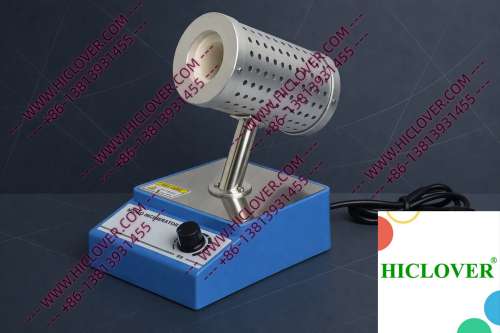
The Micro Incinerator harnesses infrared heat generated from an enclosed ceramic heating chamber, enabling rapid thermal sterilization and high-temperature disinfection without the hazards associated with flames. This technology delivers targeted, efficient heating that minimizes the risk of contamination and allows for cleaner handling processes.
Unlike conventional flame sterilizers, which emit open flames that can produce harmful aerosols and potentially ignite flammable materials, the infrared sterilization method offers a controlled environment devoid of combustion drawbacks. The Micro Incinerator excels in precision heating, ensuring sterilization is consistent and reliable, vital for compliance with stringent biosafety standards set by organizations such as the WHO.
Real-World Applications in Various Laboratory Settings
Biosafety Cabinets
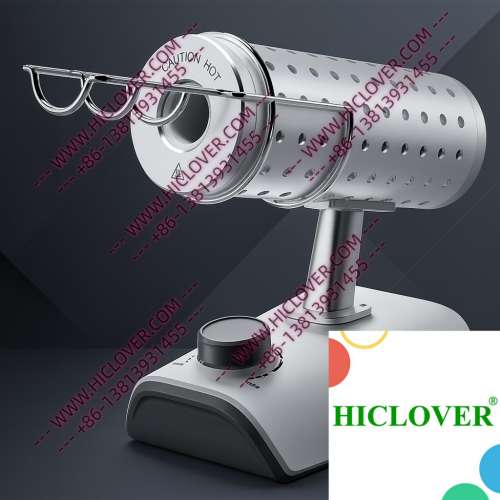
In biosafety cabinets, where aseptic conditions are critical, the Micro Incinerator serves as an invaluable tool. For example, in a university microbiology lab, researchers utilize it to sterilize inoculating loops quickly and effectively to prevent cross-contamination during microbial cultures. The touchless usage and immediate heat generation drastically reduce the time spent on each sample, allowing for a more efficient research process.
Field Testing Laboratories
Field testing environments, where mobility and versatility are key, also benefit from flameless sterilization. In remote locations, such as disease outbreak zones, researchers rely on infrared inoculating loop sterilizers to ensure that equipment remains sterile without the need for fragile alcohol lamps or bulky Bunsen burners. This mobility helps streamline operations while maintaining health safeguards, proving invaluable in urgent response situations.
Compliance and Environmental Considerations
One of the significant challenges faced in laboratories is adherence to biosafety regulations and environmental controls. Organizations like the WHO have laid out stringent guidelines to ensure laboratories operate safely and effectively. Given the increasing focus on clean room environments and contamination control, the use of flameless sterilizers is escalating as they eliminate the risks associated with volatile gases, aerosols, and flames. The Micro Incinerator is engineered to comply with international sterilization standards, ensuring safe operation within both BSL-2 and BSL-3 laboratories.
In clean room environments, where even the slightest contamination can compromise results, flameless sterilizers are a necessity. Their ability to operate without flames makes them suitable for CO₂ incubators or anaerobic chambers, where strict adherence to cleanliness is paramount.
Advantages Over Traditional Flame Sterilizers
The comparison between flameless sterilizers and traditional flame-based models brings forth numerous advantages:
- Safety: No open flame minimizes fire hazards.
- Efficiency: Rapid thermal sterilization reduces wait times.
- Contamination Control: Aerosol-free handling leads to fewer risks of cross-contamination.
- Energy Efficiency: Less energy consumed with advanced thermal regulation.
- Compact Design: More portable and easier to handle compared to traditional equipment.
Comparison Table: Micro Incinerator vs. Flame Burners
| Feature | Micro Incinerator | Flame Burners |
|---|---|---|
| Safety | No open flame | Open flame, higher explosion risk |
| Heat Generation | Infrared, instant | Combustion, slower to heat |
| Portability | Compact | Bulky, less portable |
| Environmental Compliance | High, suitable for clean rooms | Low, generates aerosols |
| Cost Efficiency | Reduces long-term utility costs | Higher due to fuel consumption |
FAQs
- What types of laboratories benefit from Micro Incinerators?
Facilities conducting research in microbiology, clinical diagnostics, and educational laboratories can leverage these sterilization tools. - How does the Micro Incinerator compare in safety to traditional methods?
The Micro Incinerator is significantly safer as it does not utilize an open flame, thus reducing the risk of fire hazards and aerosol production. - Can the Micro Incinerator be used in field applications?
Yes, it’s portable and lightweight, making it ideal for use in remote locations or mobile laboratories. - Is the Micro Incinerator compliant with WHO standards?
Absolutely! It meets the necessary sterilization standards mandated by WHO and aligns with current compliance requirements for laboratory safety. - How quickly can the Micro Incinerator sterilize tools?
It provides rapid thermal sterilization, significantly shortening the waiting time compared to traditional methods.
Conclusion
The shift towards flameless sterilization techniques, exemplified by the Micro Incinerator, marks a critical evolution in laboratory safety and efficiency. By embracing this advanced sterilization technology, laboratories can enhance their workflow, adhere to biosafety standards, and minimize risks associated with traditional flame sterilizers. If you are considering upgrading your laboratory sterilization equipment, we encourage you to explore how the Micro Incinerator can meet your needs and improve your operational workflow.
Categories:
Tags: