
In modern laboratories, the challenge of maintaining biosafety while ensuring effective sterilization is paramount. Contamination control in BSL-2 and BSL-3 labs, clinical diagnostics environments, and even university teaching labs requires a thorough understanding of sterilization workflows. Micro incinerators, particularly the Infrared Inoculating Loop Sterilizer, have emerged as innovative solutions that meet stringent safety standards, delivering rapid thermal sterilization without the risks associated with traditional methods.
The Technical Principles Behind Micro Incinerators
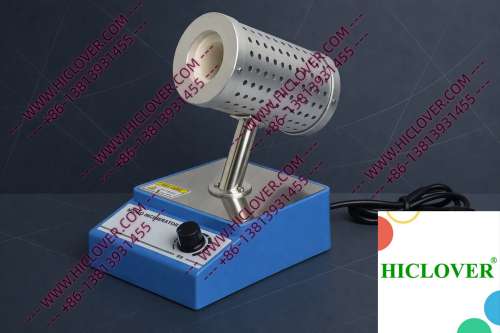
The operation of a micro incinerator fundamentally relies on the principles of infrared heat transfer. This sterilization equipment typically features an enclosed ceramic tube that generates high temperatures, often exceeding 800°C. This intense heat effectively disinfects inoculating loops, needles, and other lab instruments in mere seconds, ensuring rapid turnover in laboratory workflows.
Unlike traditional flame sterilizers, such as alcohol lamps or Bunsen burners, micro incinerators provide a flame-free sterilization method, reducing the risk of fire and ensuring a clean-bench-safe environment. The compact design and powerful heating capabilities allow laboratories to maximize efficiency while minimizing potential hazards.
Applications of Micro Incinerators in Laboratories
1. Biosafety Cabinets
In biosafety cabinets, where maintaining a sterile environment is critical, micro incinerators serve as a practical solution for sterilizing inoculating loops and other small instruments. With their ability to rapidly reach high temperatures, these devices minimize the risk of air contamination and ensure the safety of both laboratories and personnel. Moreover, their user-friendly design allows seamless integration into existing workflows without disrupting cleanroom protocols.
2. Mobile Field Testing Labs
In the realm of field testing, particularly in remote areas where traditional sterilization methods may be impractical, micro incinerators shine. Their portability and ease of use enable researchers and healthcare professionals to maintain sterilization protocols without the need for flammable fuel sources. The infrared heat technology allows for quick sterilization, making it ideal for sample handling in varied external conditions.
Compliance and Environmental Considerations
Adhering to compliance standards is critical in laboratory operations. The World Health Organization (WHO) and other regulatory bodies have established guidelines for biosafety and laboratory sterilization practices. Micro incinerators align with these standards by offering a no-flame method that is particularly beneficial in clean rooms where volatility must be minimized.
Beyond compliance with sterilization standards, the use of micro incinerators also addresses environmental concerns associated with traditional waste disposal methods. By incinerating waste on-site, facilities can significantly reduce the volume of disposal materials, ultimately leading to a more sustainable approach to laboratory waste management.
Micro Incinerator vs. Traditional Flame Sterilizers
| Feature | Micro Incinerator | Flame Sterilizers |
|---|---|---|
| Safety | No flame, reduced risk of fires | Open flame, potential fire hazards |
| Efficiency | Rapid thermal sterilization in seconds | Longer heating time required |
| Sterilization Quality | Uniform high-temperature disinfection | Inconsistent heating patterns |
| Portability | Compact and mobile | Typically larger and less portable |
FAQs About Micro Incinerators
- What is a micro incinerator? A micro incinerator is a laboratory sterilization device that uses infrared heat to rapidly sterilize inoculating loops and other small instruments without the risks associated with open flames.
- How does infrared heat sterilize instruments? Infrared heat generates high temperatures that effectively kill microbes and sterilize instruments in a matter of seconds, ensuring rapid turnaround and contamination control.
- Can micro incinerators be used in clean rooms? Yes, micro incinerators are flame-free and designed for use in clean rooms, making them ideal for environments requiring strict contamination controls.
- What are the benefits of using micro incinerators over traditional flame sterilizers? Benefits include increased safety, efficiency, consistent sterilization quality, and portability, making them versatile for various laboratory settings.
- Are micro incinerators compliant with safety standards? Yes, micro incinerators comply with WHO biosafety guidelines and other laboratory sterilization standards, making them suitable for use in regulated laboratory environments.
The Future of Laboratory Sterilization
As laboratories continue to evolve and face growing challenges related to biosafety, the demand for effective, safe waste disposal methods will increase. Micro incinerators, particularly the infrared inoculating loop sterilizer, represent a significant advancement in sterilization technology, combining efficiency and safety in one compact design.
By providing rapid thermal sterilization and reducing the risks associated with traditional methods, micro incinerators will play a pivotal role in shaping laboratory sterilization protocols. Facilities looking to enhance their sterilization practices, comply with strict safety regulations, and adopt environmentally conscious waste disposal methods should consider integrating micro incinerators into their operations.
If you’re interested in improving your lab’s waste disposal efficiency and ensuring adherence to current biosafety standards, contact us today for a demo or to discuss purchasing options!
Categories:
Tags: