
In an era where laboratory safety and contamination control are paramount, the challenges of maintaining a sterile environment within research facilities become increasingly complex. Traditional sterilization methods, such as alcohol lamps and Bunsen burners, present significant risks associated with flame hazards, aerosols, and cross-contamination. Consequently, research facilities, especially those operating under Biosafety Level 2 (BSL-2) or BSL-3 protocols, require innovative solutions to enhance their sterilization workflows. One such solution is the Micro Incinerator / Infrared Inoculating Loop Sterilizer, a state-of-the-art tool designed for rapid thermal sterilization without the dangers associated with open flames.
Understanding the Technical Principles
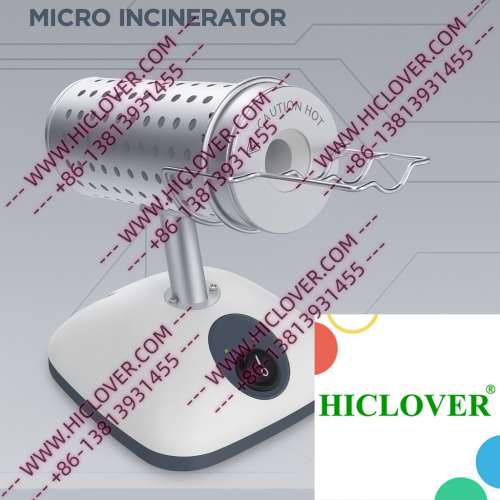
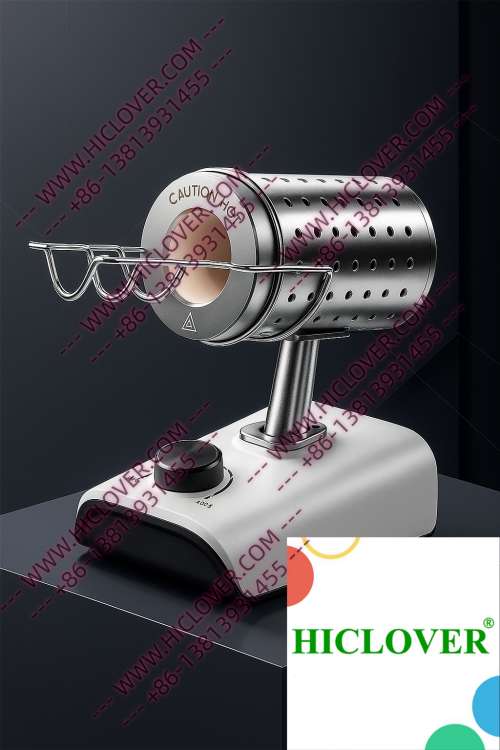
The Micro Incinerator utilizes infrared heat to achieve high-temperature disinfection through a ceramic heating chamber. This enclosed configuration ensures that the sterilization process occurs in a controlled environment, effectively eliminating pathogens and contaminants. Unlike traditional sterilizers that may produce aerosols or create potentially hazardous fumes, the Micro Incinerator’s design guarantees clean-bench-safe operation. With its precise temperature control, it can reach sterilization temperatures of 800 degrees Celsius in a matter of seconds, providing researchers with a reliable and efficient sterilization method.
Key Features and Advantages
- Rapid Thermal Sterilization: Achieves optimal sterilization in seconds, drastically reducing downtime during critical lab workflows.
- Touch-Free Operation: Minimizes user contact, enhancing biosafety by preventing cross-contamination.
- Compact Design: Ideal for use within biosafety cabinets and limited workspace environments.
- Aerosol-Free Handling: Eliminates aerosol generation, crucial for maintaining sterile conditions in sensitive laboratory settings.
- What is the average lifespan of a Micro Incinerator?
With proper maintenance, a Micro Incinerator can last several years, ensuring reliable performance throughout its life cycle.
- How does the Micro Incinerator contribute to laboratory safety?
By eliminating the risk associated with open flames and aerosol generation, the Micro Incinerator offers a safer alternative for sterilizing lab instruments.
- Can the Micro Incinerator be used in field testing scenarios?
Yes, its compact design and rapid sterilization capabilities make it suitable for mobile or field testing labs where safety and efficiency are crucial.
- What types of instruments can be sterilized with a Micro Incinerator?
The device is best suited for sterilizing inoculating loops, needles, and other small, heat-resistant laboratory tools.
- Are there any specific maintenance requirements?
Regular cleaning of the ceramic tube and ensuring proper electrical connections are essential to maintain optimal performance.
Practical Applications in Research Facilities
Scenario 1: Biosafety Cabinet Utilization
In many BSL-2 laboratories, the Micro Incinerator can be effectively integrated within biosafety cabinets. Researchers can sterilize inoculating loops, needles, and other small instruments without the risk of flame exposure. This application is particularly advantageous when working with pathogenic organisms where safety and precision are paramount. The rapid sterilization capabilities allow for quick transitions between microbial cultures while ensuring a contamination-free environment.
Scenario 2: Teaching Labs in Academic Institutions
In university teaching laboratories, the use of Micro Incinerators promotes a safer learning environment. Students can conduct microbiology experiments with reduced risk, enabling an emphasis on practical skills without the hazards associated with traditional flame sources. Additionally, the infrared sterilizer supports a curriculum focused on modern lab practices and safety protocols, ensuring students are prepared for real-world laboratory settings.
Biosafety Compliance and Regulatory Standards
Adhering to strict safety guidelines is critical in laboratory environments. Organizations such as the World Health Organization (WHO) have established biosafety standards that mandate the use of sterilization equipment that minimizes contamination risk, particularly in clinical and research settings handling infectious agents. The Micro Incinerator complies with these standards and is especially suited for clean rooms where open flames are prohibited. This compliance underscores its relevance in environments requiring high levels of biosafety, such as hospitals, research institutions, and laboratories engaged in high-risk microbiological work.
Micro Incinerator vs. Traditional Flame Sterilizers
| Feature | Micro Incinerator | Flame Sterilizers |
|---|---|---|
| Operation Method | Infrared heat | Open flame |
| Control of Aerosols | No aerosols produced | Aerosols may be generated |
| Time Efficiency | Seconds to sterilize | Variable, generally longer |
| Safety | Touch-free operation | Flame hazards present |
| Best Use Case | Biosafety cabinets, teaching labs | General laboratory use |
FAQs
Conclusion
As the demands for laboratory biosafety and effective sterilization continue to rise, the Micro Incinerator / Infrared Inoculating Loop Sterilizer stands out as a critical advancement in laboratory technology. Its rapid, touch-free sterilization method not only exceeds the performance of traditional flame sterilizers but also upholds the highest safety standards required in modern research settings. For laboratories looking to enhance their sterilization workflows and comply with stringent biosafety regulations, the Micro Incinerator is an investment that pays dividends in operational efficiency and lab safety. Take the next step in enhancing your laboratory capabilities—contact us today to learn more about our innovative sterilization solutions!
Categories:
Tags: