
As the demands for rigorous laboratory biosafety intensify, ensuring that your sterilization workflows can keep up is paramount. Traditional flame sterilizers, such as alcohol lamps and Bunsen burners, often fall short in providing a consistently safe and efficient method of sterilization, particularly in sensitive environments like BSL-2 and BSL-3 laboratories. This is where innovative devices such as the Micro Incinerator, also known as the Infrared Inoculating Loop Sterilizer, come into play, offering a paradigm shift in contamination control.
Technical Principles of the Micro Incinerator
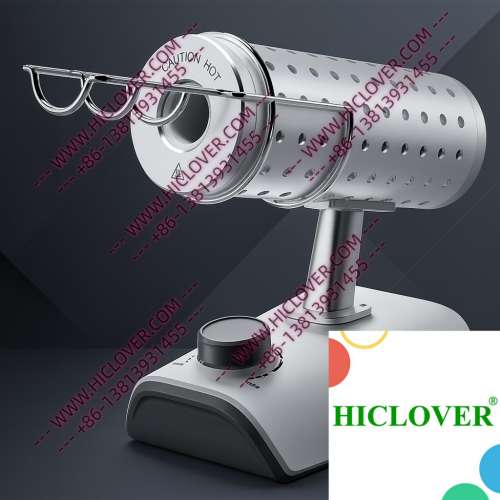
The Micro Incinerator works on the principle of rapid thermal sterilization using infrared heat, allowing it to achieve temperatures upwards of 1000°C within seconds. The enclosed ceramic heating chamber not only delivers focused heat but also allows for safe, aerosol-free handling of inoculating loops, needles, and other small tools, significantly reducing the risk of contamination. With its compact design and advanced functionality, it offers a level of convenience and efficiency that traditional flame methods cannot match.
Applications in Real-World Laboratory Settings
- Biosafety Cabinet Usage: In a BSL-2 microbiology lab, the Micro Incinerator can be integrated seamlessly into biosafety cabinets. Its flame-free operation and rapid heating ensure that the sterile environment is maintained, reducing risks of aerosols that can compromise research integrity.
- Field Testing Environments: During field testing in remote locations, the portability of the Micro Incinerator makes it an invaluable tool. Quick sterilization while minimizing power need (often using battery operation) allows researchers to focus on their work rather than sterilization logistics.
Compliance with Lab Sterilization Standards
Recent guidelines set forth by the World Health Organization (WHO) and other biosafety standards call for stringent practices to ensure the safety of laboratory operations. In modern labs, especially those involving clinical diagnostics or research applications, compliance with these standards is non-negotiable. The Micro Incinerator’s no-flame design is particularly advantageous for clean rooms, as it eliminates the risk of igniting flammable materials, making it compliant with high safety standards for sterilization equipment.
Advantages Over Traditional Flame Sterilizers
| Feature | Micro Incinerator | Traditional Flame Sterilizers |
|---|---|---|
| Heating Time | Seconds | Longer (depends on fuel) |
| Risk of Contamination | Minimal (aerosol-free) | High (open flames) |
| Operational Safety | Safer | Risk of fire hazards |
| Portability | High | Varies (bulky, requires fuel) |
| Environmentally Friendly | Yes (no emissions) | Depends on fuel used |
Enhancing Workflow Efficiency
In teaching laboratories, the implementation of the Micro Incinerator promotes educational training around safe sterilization techniques without the hazards posed by flames. Students and trainees can learn invaluable sterilization practices, preparing them for future roles in research or clinical settings while ensuring compliance with the latest biosafety standards.
Frequently Asked Questions (FAQs)
-
How does the Micro Incinerator enhance laboratory safety?
The device provides flame-free sterilization, significantly reducing the risk of fire hazards and aerosols that can compromise sterile environments.
-
Can the Micro Incinerator be used in field testing?
Yes, its portable design and quick heating capabilities make it an excellent choice for field applications.
-
What types of laboratory settings benefit from using infrared inoculating loop sterilizers?
BSL-2 and BSL-3 microbiology labs, clinical diagnostic labs, and educational institutions stand to gain the most from this technology.
-
Is the Micro Incinerator compliant with WHO biosafety standards?
Yes, the Micro Incinerator meets and exceeds many of the current biosafety standards, particularly concerning flame-free sterilization.
-
What are the environmental benefits of using a Micro Incinerator?
The device generates no harmful emissions, making it a more environmentally friendly choice compared to traditional flame sterilizers.
Conclusion
In conclusion, embracing modern sterilization technology like the Micro Incinerator / Infrared Inoculating Loop Sterilizer not only enhances laboratory sterilization workflows but also fortifies compliance with vital biosafety regulations. By reducing the risks associated with traditional flame sterilization methods, laboratories can improve operational efficiency while safeguarding their research integrity. For facilities looking to elevate their sterilization processes, consider investing in this advanced technology. Contact us today to explore the advantages of our products tailored specifically for your needs.
Categories:
Tags: