
In the ever-evolving landscape of laboratory research and clinical diagnostics, biosafety poses significant challenges in contamination control. Amid the increasing emphasis on rapid thermal sterilization methods, Wichita’s medical laboratories are turning to innovative solutions such as the Micro Incinerator / Infrared Inoculating Loop Sterilizer. This advanced sterilization equipment is gaining traction due to its efficiency and compliance with strict laboratory standards.
Understanding the Technology Behind Infrared Loop Sterilizers
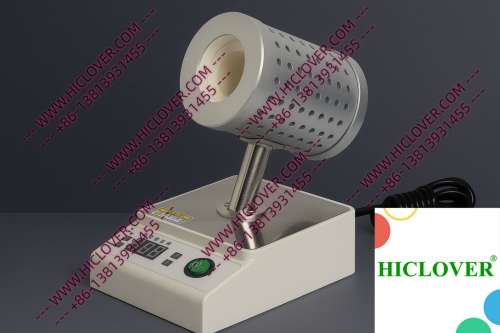
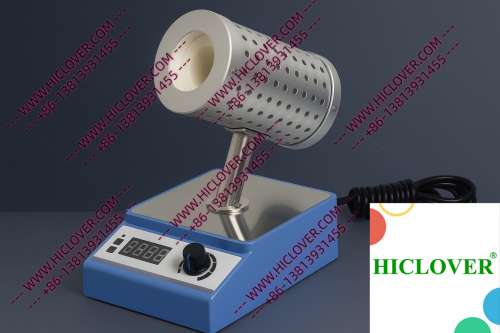
At the heart of the Micro Incinerator is a sophisticated principle: infrared heat. This technology utilizes an enclosed ceramic heating chamber that allows for targeted, high-temperature disinfection. Unlike traditional flame sterilizers, which can introduce soot and create aerosolized particles, the infrared sterilizer provides a clean and efficient means of achieving sterilization without compromising laboratory safety.
The ceramic tube design ensures that samples or tools never come into contact with open flame, significantly reducing the risk of aerosol generation and contamination in clean environments. This attribute is especially beneficial in biosafety level (BSL) 2 and BSL3 microbiology labs, where maintaining a sterile working environment is paramount.
Advantages Over Traditional Flame Sterilizers
When comparing the Micro Incinerator to conventional flame sterilizers such as alcohol lamps and Bunsen burners, several distinct advantages emerge:
| Feature | Flame Sterilizers | Micro Incinerator |
|---|---|---|
| Risk of Aerosol Generation | High | Low |
| Cleanliness in Operation | Produces soot | Clean, soot-free operations |
| Ease of Use | Variable | User-friendly design |
| Compliance with Cleanroom Standards | Limited | Highly compliant |
Application Scenarios in Real Laboratories
1. Biosafety Cabinet Operations
In many laboratories, particularly those focused on clinical diagnostics, the use of a biosafety cabinet is essential to prevent contamination during microbial manipulation. The Micro Incinerator can be seamlessly integrated into these environments, allowing researchers to quickly sterilize inoculating loops with minimal disruption to airflow and maintaining strict biosafety protocols. This capability ensures the integrity of complex experimental setups and the safety of laboratory personnel.
2. Teaching Labs
In educational institutions, teaching labs require reliable sterilization methods that also promote best practices among students. The Micro Incinerator serves as an excellent teaching tool in university settings, helping students learn proper sterilization techniques without the risks associated with flame. The absence of exposure to high-risk flame sterilization aligns with best practices for lab safety education, an essential component of modern biosciences training.
Compliance with Biosafety Standards
Compliance with global biosafety standards is a key concern for laboratories. Adhering to guidelines set forth by organizations like the World Health Organization (WHO) ensures that labs not only maintain safety for their personnel but also contribute to broader public health efforts. The absence of open flames in cleanrooms and biosafety settings is a significant factor in preventing contamination vectors. The Micro Incinerator aligns perfectly with these standards, offering an eco-friendly solution whereby all aspects of microbial sterilization are controlled.
With stringent lab sterilization standards in place, the Micro Incinerator stands out as a technology that combines safety with effectiveness, thereby catering to lab environments that prioritize hygiene and operational excellence.
Frequently Asked Questions (FAQs)
- What is the primary benefit of using an infrared inoculating loop sterilizer?
The primary benefit is the rapid and soot-free sterilization achieved through high-temperature infrared heat, minimizing the risk of contamination.
- Can the Micro Incinerator be used in BSL-3 labs?
Yes, the Micro Incinerator is designed to be compliant with the strict biosafety requirements of BSL-3 laboratories.
- How does the Micro Incinerator ensure cleaner lab environments compared to flame sterilizers?
It prevents the generation of aerosols and soot that can occur with traditional flame methods, thereby promoting a cleaner workspace.
- Is the Micro Incinerator user-friendly for new lab personnel?
Absolutely. Its user-friendly design allows novices and experienced personnel alike to operate it with confidence.
- What standards does the Micro Incinerator meet for lab sterilization?
The Micro Incinerator meets various international laboratory sterilization standards, ensuring compliance and safety in biosafety operations.
Conclusion
The adoption of advanced sterilization equipment such as the Micro Incinerator / Infrared Inoculating Loop Sterilizer in Wichita’s laboratories reflects a growing commitment to innovation and safety in laboratory practices. By transitioning to infrared thermal sterilization, labs can improve both workflow efficiency and compliance with global biosafety standards. For those looking to enhance their laboratory safety protocols and sterilization processes, investing in the Micro Incinerator is a step towards a cleaner, safer laboratory environment. For inquiries or to learn more about the Micro Incinerator, please contact us today!
Categories:
Tags: