
Laboratories across various sectors are increasingly confronted with the dual challenges of ensuring operational safety while maintaining strict contamination control. Whether in clinical diagnostics, university teaching labs, or BSL-2 and BSL-3 microbiology settings, the need for effective, efficient sterilization tools has never been greater. Traditional methods such as alcohol lamps and Bunsen burners often fail to meet the modern demands of cleanliness and safety, making way for innovative solutions like the Micro Incinerator or Infrared Inoculating Loop Sterilizer.
Understanding the Technical Principles: Infrared Heat and Enclosed Workspaces
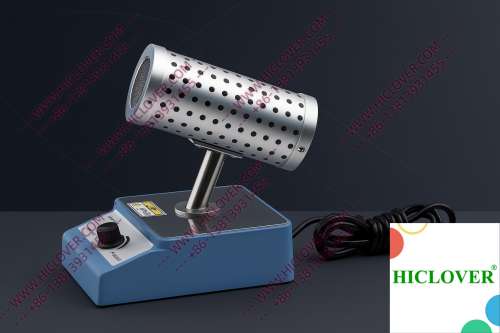
The Micro Incinerator employs a unique heating mechanism that leverages rapid thermal sterilization using infrared heat. Unlike open-flame devices that can produce toxic aerosols and present fire hazards, the Micro Incinerator functions within a contained ceramic heating chamber to deliver high-temperature disinfection. This design offers a remarkably stable and efficient means of eliminating microbial life from inoculating loops, needles, and other laboratory instruments.
One of the standout features is its ability to reach sterilization temperatures of up to 1000°C within seconds, effectively destroying bacterial spores, viruses, and fungi without generating harmful fumes or mess. The enclosed ceramic tube not only provides a clean-bench-safe working environment but also minimizes the risk of cross-contamination. With an adjustable heating element, users can tailor the level of disinfection according to their specific needs.
Practical Applications in Laboratory Settings
Consider a busy university teaching lab where students are learning essential microbiological techniques, such as culturing bacterial samples. The Micro Incinerator fits seamlessly into this educational environment, allowing students to safely sterilize their inoculation tools at their workstation, ensuring that every transfer is contamination-free. Its compact design makes it suitable for limited bench space, while the rapid heating ensures minimal disruption to the learning flow.
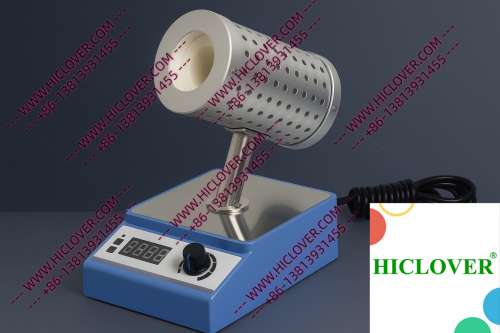
In more advanced settings, such as BSL-3 microbiology labs, where handling of pathogenic microorganisms is routine, the Micro Incinerator’s safety features become invaluable. In these environments, a biosafety cabinet is often used to protect both the lab personnel and the samples being handled. The Micro Incinerator can be placed inside the biosafety cabinet for an added layer of safety, allowing researchers to effectively minimize the risk of aerosolized contamination, which is particularly critical when dealing with highly infectious agents.
Compliance and Environmental Considerations
Meeting regulatory compliance is integral for laboratories wanting to ensure the safety and efficacy of their sterility processes. Organizations such as WHO (World Health Organization) advocate for strict adherence to biosafety standards, particularly for facilities handling pathogenic microorganisms. The traditional open flame methods are often prohibited in cleanroom environments due to the risk of introducing particulate matter and generating aerosols, further emphasizing the appeal of smoke-free sterilization solutions like the Micro Incinerator.
The Micro Incinerator satisfies various international sterilization standards, making it an ideal choice for laboratories aiming to maintain compliance while enhancing workflow. Importantly, its operation does not rely on combustibles, meaning there’s no risk of toxic emissions or open flames, crucial for maintaining a safe environment in clinical diagnostics settings.
Comparison of Micro Incinerator and Traditional Flame Sterilizers
| Feature | Micro Incinerator | Traditional Flame Sterilizers |
|---|---|---|
| Sterilization Method | Infrared thermal sterilization | Open flame combustion |
| Temperature Control | Precise, adjustable settings | Variable, less predictable |
| Safety | Smoke-free, clean-bench-safe | Risk of fire and toxic fumes |
| Portability | Compact and lightweight | Heavier, unstable setups |
FAQs About Micro Incinerators
- What is a Micro Incinerator? A Micro Incinerator is a compact sterilization device that uses infrared heat to quickly and efficiently sterilize inoculation tools.
- How does it differ from traditional flame sterilizers? Unlike traditional sterilizers that use an open flame, the Micro Incinerator operates within a closed ceramic chamber, reducing fire hazards and improving safety.
- Is it compliant with biosafety standards? Yes, the Micro Incinerator meets various international standards for lab sterilization, making it suitable for sensitive environments.
- Can it be used in field testing? Absolutely. Its compact design and quick sterilization times make it an ideal choice for mobile lab settings.
- What are the maintenance requirements? Minimal. Regular cleaning of the ceramic chamber is recommended to maintain optimal heating efficiency.
Conclusion: Enhancing Laboratory Safety and Efficiency
In an era where laboratory safety protocols are paramount, investing in the Micro Incinerator as a dependable sterilization solution is a significant step towards enhancing your laboratory’s workflow and biosafety standards. With its quick sterilization capabilities, compact design, and superior compliance with industry standards, it represents a transformative tool for all laboratory settings, whether educational, research-based, or clinical. If you’re looking to elevate your laboratory’s safety and sterilization processes, don’t hesitate to explore our range of Micro Incinerator options today!
Categories:
Tags: