
As Ethiopia grapples with significant waste management challenges, laboratory biosafety has emerged as a crucial concern in the scientific community. Labs, whether clinical diagnostics or academic teaching facilities, deal with hazardous materials daily, necessitating efficient sterilization methods to prevent contamination. Among these innovative solutions, the Micro Incinerator, or Infrared Inoculating Loop Sterilizer, offers profound benefits to meet these demands effectively and safely.
Understanding the Micro Incinerator
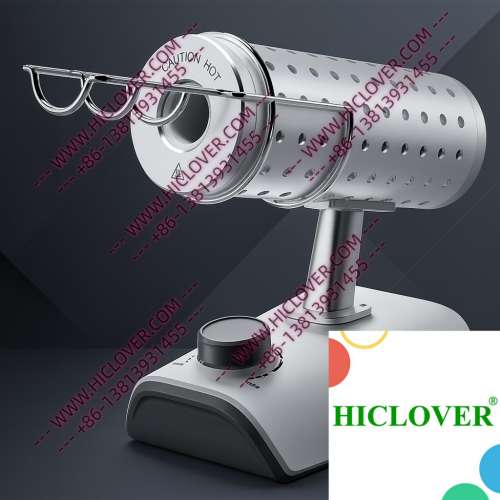
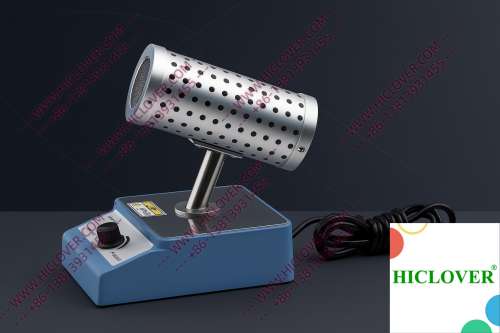
The technical principle behind micro incinerators is rooted in infrared heat technology. These state-of-the-art sterilizers incorporate a ceramic heating chamber that uses high-temperature infrared radiation for rapid thermal sterilization. Unlike traditional flame-based methods such as Bunsen burners and alcohol lamps, which can be less controllable and pose risks of open flames in sensitive environments, the Micro Incinerator provides a clean and manageable solution.
Features of Micro Incinerators
- Rapid Thermal Sterilization: The infrared heating allows for nearly instantaneous sterilization, ideal for time-sensitive laboratory operations.
- Aerosol-free Handling: The closed system minimizes the risk of aerosol generation, enhancing safety in laboratories.
- Compact Design: Suited for both small and large spaces, it’s a perfect fit for Ethiopia’s varied laboratory infrastructures.
- Energy Efficiency: Utilizes less energy compared to conventional flame sterilizers, making it a cost-effective choice.
- How does a Micro Incinerator work?
Micro Incinerators utilize infrared heat technology to achieve rapid thermal sterilization of laboratory instruments, ensuring microbe-free equipment for safe use. - What are the advantages of using Micro Incinerators in laboratories?
They offer aerosol-free handling, rapid sterilization times, reduced risk of fire hazards, and compliance with biosafety protocols. - Can Micro Incinerators be used in field labs?
Absolutely! Their portable nature makes them suitable for mobile testing environments, ensuring sterilization is feasible in remote locations. - Are Micro Incinerators compliant with WHO and other biosafety standards?
Yes, they meet the strict requirements set forth by the WHO for laboratory sterilization procedures. - What sets Micro Incinerators apart from traditional methods?
They provide a safer, faster, and more energy-efficient solution compared to flame-based sterilizers.
Practical Applications in Laboratory Settings
In Ethiopia, the integration of micro incinerators presents numerous practical applications:
Biosafety Cabinets
In BSL-2 and BSL-3 microbiology labs, where contamination control is paramount, the Micro Incinerator plays a pivotal role. It allows scientists to efficiently sterilize inoculating loops, needles, and other tools directly within biosafety cabinets, avoiding contamination risks associated with traditional flame sterilizers. This makes it an essential asset in clinical diagnostics and research labs where pathogens are frequently handled.
Field Testing Laboratories
In remote areas where waste management systems are lacking, field testing laboratories benefit significantly from the portability and efficiency of micro incinerators. They facilitate safe sample processing and sterilization in mobile setups, mitigating the risk of spreading infections in fragile ecosystems.
Compliance with Biosafety Standards
Compliance with international biosafety standards is non-negotiable for laboratories operating within Ethiopia and beyond. The World Health Organization (WHO) emphasizes the necessity for strict sterilization procedures in clinical and research settings. Micro Incinerators adhere to crucial laboratory sterilization standards, offering flame-free operations that are particularly advantageous in clean rooms where open flames are not permissible.
Micro Incinerators vs. Traditional Flame Sterilizers
Comparison Table:
Feature Micro Incinerator Flame Sterilizers (e.g., Bunsen burners)
Ease of Use Simple one-button operation Requires flame management
Safety Flame-free, less risk of fire Open flames present burn risks
Sterilization Time Instantaneous Variable, based on flame adjustments
Environment Impact Lower energy usage Higher energy consumption
FAQs about Micro Incinerators
Conclusion
The ongoing waste crisis in Ethiopia calls for innovative solutions like micro incinerators to streamline laboratory sterilization processes. Not only do they improve biosafety and contamination control, but they also align with global health standards. For laboratories, universities, and research centers looking to enhance their sterilization workflow, the Micro Incinerator is an invaluable investment. To learn more or to secure your own Micro Incinerator today, contact us for further details!
Categories:
Tags: