
In the fast-evolving world of laboratory biosafety, sterilization methods face rising demands. The necessity for effective, reliable sterilization workflows in laboratories—ranging from clinical diagnostics to university teaching labs—has never been more crucial. With stringent safety regulations and the need to control contamination, medical facilities in Canada are embracing innovative technologies. Among these, the Micro Incinerator or Infrared Inoculating Loop Sterilizer stands out as a transformative solution.
Modern Laboratory Biosafety Challenges
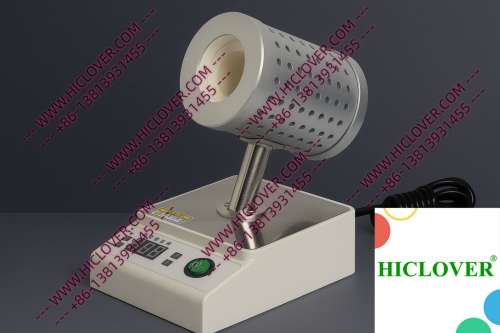
Today’s laboratories are under constant pressure to maintain biosafety while accommodating diverse workflows. Traditional flame sterilizers, such as alcohol lamps and Bunsen burners, pose several challenges, including the risk of ignition, aerosols, and the physical disturbance of sterile environments. These methods, albeit time-tested, often compromise the sterile integrity of biosafety cabinets (BSC) and generate hazardous waste. As laboratories shift towards more effective sterilization methods, the transition to tools like the Micro Incinerator becomes essential.
Technical Principles and Design of Loop Sterilizers
The Micro Incinerator operates on the principle of rapid thermal sterilization. It utilizes infrared heat inside an enclosed ceramic tube to achieve high-temperature disinfection efficiently. This design not only provides an effective means to sterilize inoculating loops and needles but ensures that contamination risks are minimized. The precise control over temperature settings allows for the reliable destruction of pathogens without the byproducts that traditional flame-based solutions produce.
Applications in Real-Life Laboratories
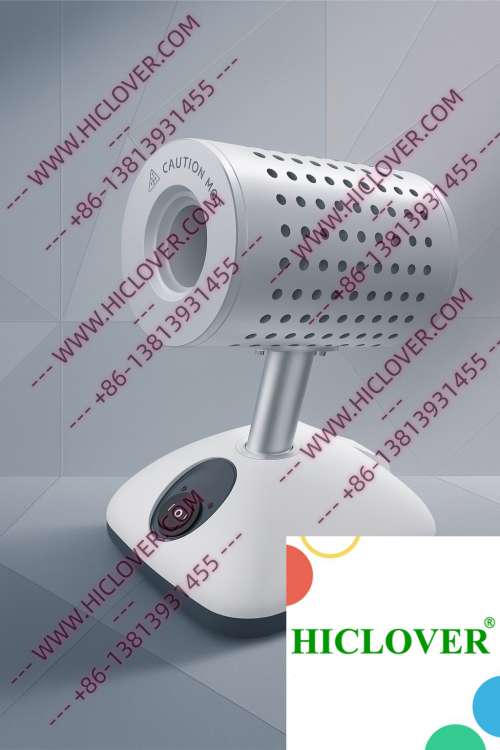
1. Biosafety Cabinet Setup: In sterile environments, such as BSL-2 and BSL-3 microbiology labs, the Micro Incinerator is an ideal choice. It can be mounted or placed within a biosafety cabinet, providing a clean and safe way to sterilize instruments. The absence of an open flame significantly reduces the risk of contamination, ensuring experiments yield reliable results.
2.
Compliance and Environmental Considerations
As laboratories strive to meet WHO biosafety standards and other lab sterilization guidelines, the Micro Incinerator aligns well with these compliance requirements. Traditional flame methods are not permitted in clean rooms due to the potential for particle contamination from flames. In contrast, infrared sterilizers maintain a clean environment while providing efficient and effective sterilization. This aspect is critical for institutions looking to adhere to the strict regulations surrounding laboratory operations in Canada.
Comparison of Micro Incinerator vs. Traditional Flame Sterilizers
| Feature | Micro Incinerator | Flame Sterilizers |
|---|---|---|
| Safety | Low risk of ignition, aerosol-free | Higher risk of fire accidents, aerosol generation |
| Speed of Sterilization | Rapid thermal sterilization | Longer heating time |
| Ease of Use | Compact, portable, easy to use | Requires fire safety measures |
| Compliance | Clean-bench-safe, meets WHO standards | Not suitable for cleanroom environments |
FAQs about Micro Incinerators
- How does the Micro Incinerator ensure effective sterilization? The device utilizes targeted infrared heat within an enclosed ceramic tube, ensuring rapid and effective sterilization.
- Can the Micro Incinerator be used in all laboratory settings? Yes, it is versatile enough to be used in teaching labs, clinical diagnostics, and field testing laboratories.
- What are the environmental benefits of using an infrared sterilizer? It reduces hazardous waste produced by traditional methods and eliminates the risks associated with flames, enhancing laboratory safety.
- Is the Micro Incinerator compliant with Canadian and WHO lab standards? Absolutely, its design and operation align with stringent biosafety regulations.
- How does the maintenance of a Micro Incinerator compare to flame sterilizers? Maintenance is simplified due to the absence of flame-related components and lower risk of accidents.
Conclusion
With the landscape of laboratory sterilization continuously evolving, adopting advanced solutions like the Micro Incinerator is crucial for Canadian medical facilities aiming for enhanced biosafety and efficiency. Its quick, clean, and compliant sterilization methodology not only improves laboratory workflows but also aligns with modern biosafety needs. If your facility is looking for a reliable partner in laboratory sterilization equipment, we invite you to contact us for more information on how the Micro Incinerator can transform your sterilization practices.
Categories:
Tags: