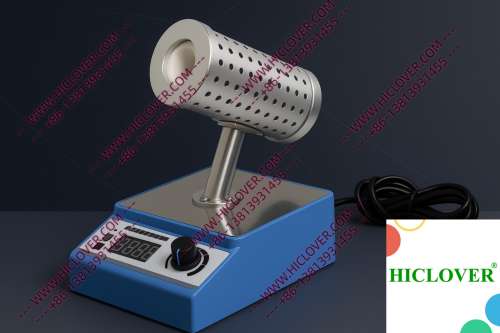
In today’s rapidly evolving scientific landscape, laboratory biosafety challenges are at the forefront of every research initiative, especially in Italy. As researchers work tirelessly to develop new technologies and treatments, the flow of laboratory sterilization remains critical. The demand for efficient sterilization workflows is necessitating a shift from traditional flame-based methods to innovative solutions like the Micro Incinerator, particularly the Infrared Inoculating Loop Sterilizer. This article explores the features, applications, and compliance of these micro incinerators, revolutionizing how laboratories handle waste disposal and contamination control.
Understanding the Micro Incinerator
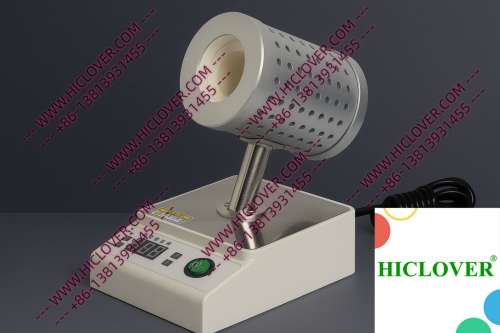
The Micro Incinerator operates on the principle of rapid thermal sterilization utilizing an enclosed ceramic heating chamber that generates infrared heat. This cutting-edge design allows for high-temperature disinfection without generating aerosols, addressing some of the primary concerns in laboratory hygiene. Unlike traditional flame sterilizers, such as alcohol lamps and Bunsen burners, the Micro Incinerator provides a more controlled and efficient means to achieve sterilization, making it ideal for a variety of settings.
Advantages Over Traditional Methods
- Aerosol-Free Handling: Elimination of aerosol production minimizes potential contamination risks.
- Clean-Bench-Safe Operations: Ideal for use in BSL-2 and BSL-3 microbiology labs and clean rooms.
- Rapid Sterilization: Quick turnaround time improves workflow without compromising safety.
- Enhanced Portability: Compact design suitable for field testing and mobile labs.
- Reduced Risk of Fire Hazards: No open flames, providing a safer laboratory environment.
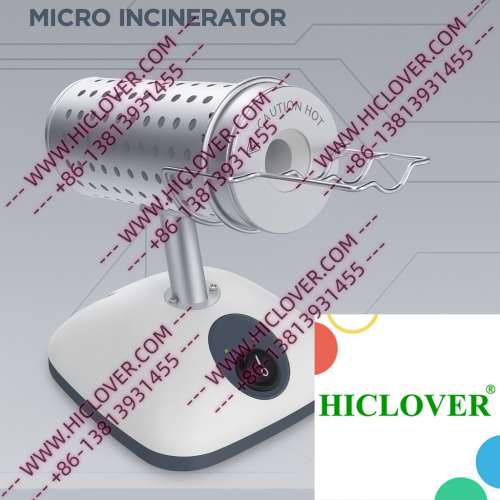
Application Scenarios in Real Labs
Biosafety Cabinets
In research labs equipped with biosafety cabinets, the Micro Incinerator finds exceptional utility. The device allows researchers to rapidly sterilize inoculating loops and other instruments without exposing the contents of the cabinet to potential contamination. This is particularly crucial in handling pathogens, where the risk of cross-contamination can derail experiments or, worse, pose safety hazards. Its compact size ensures that it can easily fit next to other essential tools in a biosafety cabinet, streamlining workflows while maintaining stringent sterilization protocols.
University Teaching Labs
University teaching laboratories benefit immensely from the integration of Micro Incinerators. Students learning to apply sterilization techniques in practical lab settings appreciate the safety features and ease of use that come with these devices. Unlike traditional flame sterilizers, the Micro Incinerator is clean and efficient, allowing for hands-on learning without the risks associated with open flames. This makes it easier for students to focus on learning rather than managing potential hazards associated with older sterilization methods.
Compliance and Environmental Considerations
Meeting compliance standards set forth by organizations like the World Health Organization (WHO) is essential for laboratories worldwide. The Micro Incinerator aligns well with WHO biosafety regulations, facilitating both environmental sustainability and human safety. With no flame present, it can be safely used in clean rooms where strict cleanliness and operational protocols are required. Furthermore, the device supports various sterilization standards, relieving concerns about flammable materials and providing a reliable alternative for labs where operational hazards are paramount.
Compliance with Lab Sterilization Standards
A key attribute of the Micro Incinerator is its adherence to sterilization standards for clinical diagnostics, enhancing its acceptance across labs seeking to optimize biosafety and operational efficiency.
Frequently Asked Questions
What makes the Micro Incinerator a safer alternative to traditional flame sterilizers?
The Micro Incinerator operates without an open flame, minimizing the risk of fire hazards and providing a safer environment for lab personnel.
How does the Micro Incinerator achieve effective sterilization?
The infrared heating technology in the Micro Incinerator quickly disinfects tools and materials in an enclosed ceramic chamber, ensuring rapid and comprehensive sterilization.
Can the Micro Incinerator be used in field testing labs?
Yes, its compact and portable design allows it to be effectively utilized in mobile or field testing laboratories.
Is the Micro Incinerator suitable for teaching purposes?
Absolutely! It provides a safe and efficient way for students to learn vital sterile techniques without the risks associated with traditional methods.
How do Micro Incinerators contribute to environmental sustainability?
They produce no hazardous emissions and eliminate the risk of waste contamination, ensuring a cleaner, more sustainable disposal method for laboratory materials.
Comparison Table: Micro Incinerator vs. Traditional Flame Burners
| Feature | Micro Incinerator | Traditional Flame Burner |
|---|---|---|
| Source of Heat | Infrared Heat | Open Flame |
| Aerosol Production | No | Yes |
| Risk of Fire | Low | High |
| Ease of Use | Very High | Moderate |
| Portability | Highly Portable | Less Portable |
Conclusion
The adoption of Micro Incinerators, particularly in Italy’s laboratories, marks a significant step towards cleaner, safer, and more efficient waste disposal practices. By prioritizing rapid sterilization without the risks associated with traditional methods, labs can enhance their operational workflows while ensuring compliance with essential biosafety standards. If you’re looking for a reliable solution to revolutionize your lab’s sterilization processes, it’s time to consider the Micro Incinerator. For inquiries or to explore purchase options, feel free to contact us today!
Categories:
Tags: