
In the ever-evolving realm of laboratory biosafety and sterilization, professionals face the daunting challenge of effective contamination control and rapid sterilization workflow. Traditional methods of sterilization, such as flame sterilizers, have been used extensively; however, they come with inherent risks and limitations. The Micro Incinerator, or Infrared Inoculating Loop Sterilizer, offers a modern solution that addresses these challenges while enhancing laboratory safety and efficiency.
Understanding Micro Incineration Technology
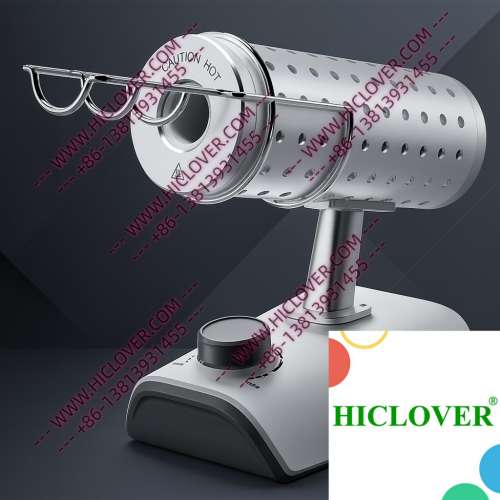
The Micro Incinerator operates on the principle of infrared heat, utilizing an enclosed ceramic heating chamber that generates high temperatures at rapid rates. The device is designed for direct sterilization of inoculating loops, needles, and other small sterilizable implements, providing a clean, flame-free alternative to traditional methods. This technology not only minimizes the risk of open flames in biohazard settings but also ensures a precise and quick sterilization process.
Unlike alcohol lamps or Bunsen burners that can produce dangerous aerosols and unwanted contamination, the Micro Incinerator allows for aerosol-free handling. This feature is particularly valuable in sensitive environments, such as BSL-2 and BSL-3 microbiology laboratories, where maintaining sterility is paramount.
Applications in Real Laboratories
The utility of the Micro Incinerator spans various laboratory environments. Below are two key scenarios illustrating its application:
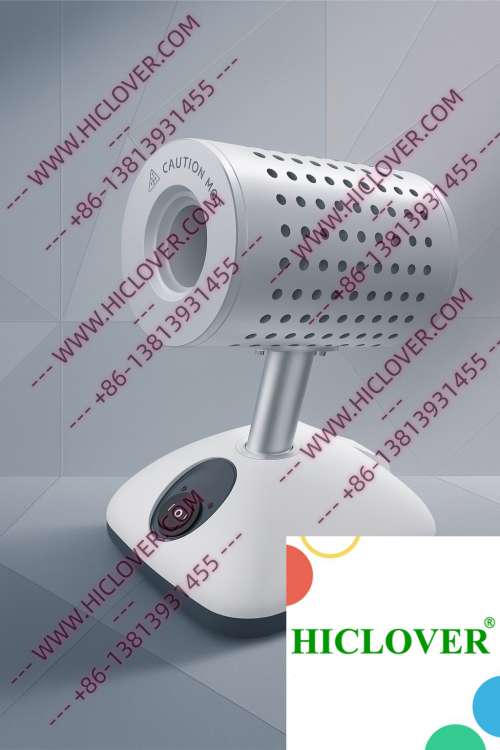
1. Biosafety Cabinets
Within a biosafety cabinet, researchers often use inoculating loops to transfer microbial samples. Here, the Micro Incinerator serves as an essential sterilization tool, ensuring that loops are immediately sanitized before and after use. The rapid thermal sterilization provided by the infrared heating element allows researchers to dive right back into their work without the waiting period that traditional flames require. This not only boosts productivity but also protects researchers from thermal burns or distractions caused by open flames.
2. Teaching Laboratories
In educational environments, such as university teaching labs, it is vital to instill proper techniques in students. The Micro Incinerator’s user-friendly design makes it easier for students to learn about sterilization without the fear associated with traditional flame-based methods. Instructors can confidently demonstrate sterilization techniques while minimizing the risk of accidents, thus enhancing learning experiences. Additionally, since the device can be easily integrated into standard laboratory setups, it caters to diverse educational curriculums.
Compliance and Environmental Considerations
Laboratories must comply with stringent biosafety standards set forth by organizations such as the World Health Organization (WHO) and various national health regulatory bodies. These guidelines emphasize the importance of using safety equipment that minimizes risk and maximizes efficiency. The Micro Incinerator aligns with these standards by providing a non-flame sterilization method that is ideal for clean rooms and environments where contaminant introduction could pose serious health risks.
The use of flame-based sterilizers in clean environments is often restricted due to the inherent risks they pose; thus, the infrared sterilizer stands as a compliant and effective alternative. It not only fulfills current sterilization standards but also contributes to a safer laboratory environment overall.
Advantages Over Traditional Flame Sterilizers
When comparing the Micro Incinerator to traditional flame sterilizers, it’s clear that the modern technology offers multiple advantages:
| Feature | Micro Incinerator | Flame Sterilizers |
|---|---|---|
| Heat Source | Infrared | Open Flame |
| Risk of Burns | Minimal | High |
| Aerosol Production | None | High |
| Speed of Use | Rapid Thermal Sterilization | Time-Dependent |
| Safety for Clean Rooms | Safe | Not Safe |
Frequently Asked Questions
- What makes the Micro Incinerator safer than traditional flame sterilizers?
The Micro Incinerator uses infrared heat, which minimizes the risk of burns and eliminates aerosol production, making it a safer option in laboratory environments. - Can the Micro Incinerator be used in field testing labs?
Yes, its portable design and efficient sterilization method make it ideal for field testing applications where traditional methods might pose challenges. - Is the Micro Incinerator compliant with WHO standards?
Absolutely, it meets the biosafety and sterilization standards outlined by WHO and other regulatory bodies. - What types of laboratories benefit from using the Micro Incinerator?
BSL-2 and BSL-3 microbiology labs, clinical diagnostics, teaching labs, and field testing facilities can all leverage its benefits. - How does the Micro Incinerator improve laboratory workflow?
Its fast, reliable sterilization process allows for quick turnarounds between sample handling, enhancing overall productivity in laboratory settings.
Conclusion
The adoption of the Micro Incinerator and similar advanced sterilization technologies represents a significant leap forward in laboratory waste treatment and biosafety. Investing in this innovative solution not only safeguards public health but also optimizes sterilization workflows across diverse laboratory environments. For laboratories aiming to enhance their safety measures and operational efficiency, the Micro Incinerator is the ideal choice.
Contact us today to learn more about our range of laboratory sterilization equipment, including the Micro Incinerator. Enhance your laboratory’s safety, compliance, and efficiency today!
Categories:
Tags: