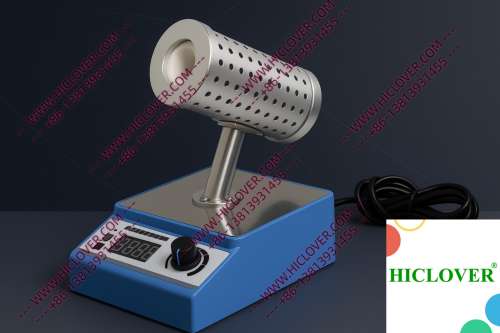
In today’s dynamic laboratory environments, effective sterilization is paramount to ensure biosafety and prevent contamination. Laboratories face continuous challenges in maintaining cleanliness across various settings, including BSL-2 and BSL-3 microbiology labs, university teaching facilities, and even mobile field testing locations. As research unfolds rapidly, laboratories in Bahrain are increasingly turning to advanced sterilization solutions, particularly Micro Incinerators and Infrared Inoculating Loop Sterilizers, to meet their workflow demands.
Technical Principle Behind Infrared Loop Sterilizers
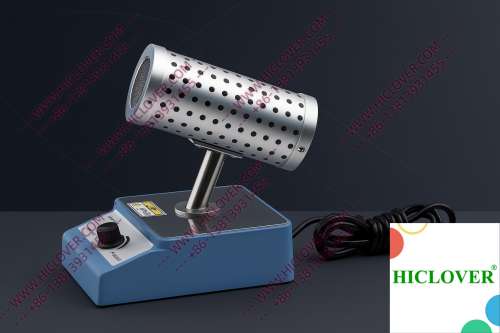
The Micro Incinerator, often referred to as an Infrared Inoculating Loop Sterilizer, employs cutting-edge technology to achieve rapid thermal sterilization. This innovative equipment utilizes an enclosed ceramic heating chamber, which generates infrared heat that instantly reaches high temperatures necessary for effective sterilization. Unlike traditional flame sterilizers, this method eliminates the risks associated with open flames, providing a safer and cleaner alternative.
The efficient design of these sterilizers allows for precise temperature control, ensuring that inoculating loops are exposed to temperatures exceeding 500°C in mere seconds. This capability not only facilitates swift sterilization processes but also ensures that the equipment remains clean and free of contaminants, thus optimizing the overall workflow in any laboratory setting.
Applications of Micro Incinerators in Laboratories
- Biosafety Cabinets: In microbiology labs, Micro Incinerators can be integrated into biosafety cabinets. This setup enhances the safety of the workspace by allowing researchers to sterilize loops in a controlled environment without the risk of flame-induced accidents. The aerosol-free handling further reduces contamination risk, making it an invaluable tool in pathogen research.
- Field Testing Clinics: Facilities engaged in mobile or field testing benefit significantly from the portability and efficiency of infrared sterilizers. Researchers collecting samples outdoors can rely on compact Micro Incinerators to ensure that their equipment remains sterile, promoting accurate results in various environmental conditions.
- What is the main advantage of using a Micro Incinerator over traditional sterilizers?
- Can Micro Incinerators be used in clinical diagnostics labs?
- How does the ceramic tube enhance sterilization?
- Are Micro Incinerators compliant with WHO biosafety standards?
- Is the Micro Incinerator portable for field applications?
Compliance and Environmental Impact of Modern Sterilization Techniques
Meeting international compliance standards is critical for laboratories, particularly those aligned with WHO biosafety guidelines. The Micro Incinerator fulfills many lab sterilization standards by offering a no-flame solution, which is vital for cleanroom operations. Traditional alcohol lamps or Bunsen burners can introduce aerosols into the environment, risking contamination in sensitive experiments.
Moreover, utilizing electric sterilization methods like the Micro Incinerator curtails the risks of fire hazards, making it a preferred choice in modern laboratory design. Bahrain’s investment in such technologies signifies a commitment to not only adopting advanced scientific methods but also adhering to stringent safety protocols that safeguard public health.
Comparison of Micro Incinerator vs. Traditional Flame Burners
| Feature | Micro Incinerator | Flame Burners |
|---|---|---|
| Safety | No open flame, reduced risk of fire | Open flame, potential for burns |
| Speed of Sterilization | Instants sterilization (seconds) | Time-consuming, varies by operator skill |
| Cleanliness | Minimized contamination, no aerosols | Aerosols produced, higher contamination risk |
| Usability in Clean Rooms | Approved for clean rooms | Not suitable for clean environments |
Frequently Asked Questions
The main advantage lies in its rapid thermal sterilization capability, ensuring thorough sterilization without the risks associated with open flames.
Yes, they are ideal for clinical laboratories as they provide a safe, efficient means of sterilizing inoculating loops used in various diagnostic tests.
The ceramic tube retains heat effectively, allowing for consistent high temperatures to be achieved quickly, which is crucial for reliable sterilization.
Yes, they meet and often exceed various biosafety protocols, promoting a more secure laboratory environment.
Absolutely! Its compact design makes it an excellent choice for mobile testing and field research.
Conclusion
As Bahrain continues to advance its laboratory practices, the integration of cutting-edge sterilization techniques such as the Micro Incinerator is crucial for ensuring biosafety and operational efficiency. By investing in high-quality Infrared Inoculating Loop Sterilizers, laboratories are not only enhancing their workflow but also promoting a safer science environment. For more information on how to procure these essential tools for your laboratory, please feel free to reach out to us today!
Categories:
Tags: