In today’s rapidly evolving laboratory environment, biosafety challenges arise frequently, particularly concerning contamination control during workflows. Traditional sterilization methods, such as alcohol lamps and Bunsen burners, present significant risks, including aerosol production and flame hazards. As laboratory protocols evolve, the need for advanced sterilization technologies is more pressing than ever, cementing the role of micro incineration sterilizers in modern infection control and waste management practices.
Understanding Micro Incineration Sterilizers
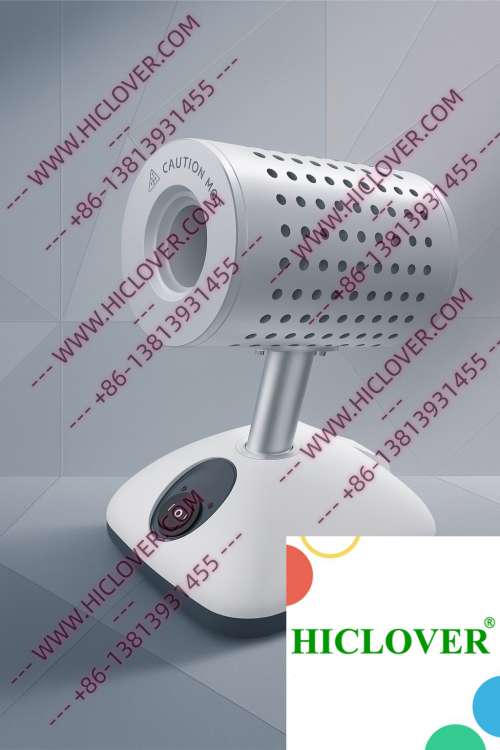
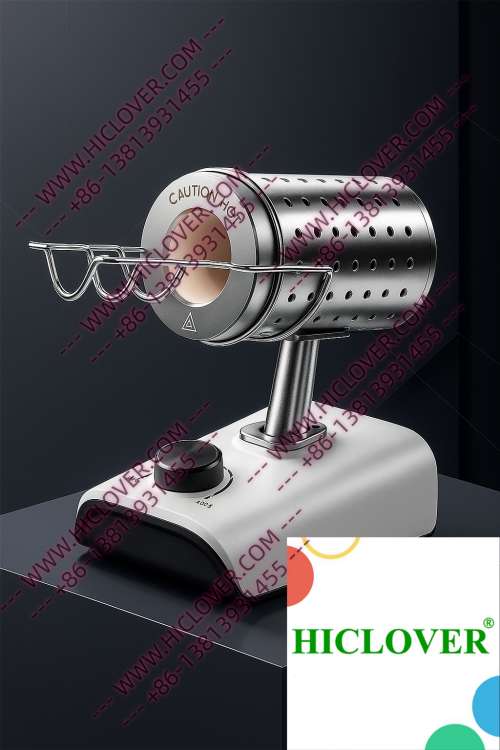
The Micro Incinerator, particularly the Infrared Inoculating Loop Sterilizer, operates on the principle of rapid thermal sterilization. Utilizing an enclosed ceramic heating chamber, it produces infrared high-temperature disinfection while preventing flames from contaminating clean lab environments. This innovation allows laboratories to achieve high levels of sterility with minimal risk.
As the sterilizer heats up, it reaches temperatures that can effectively eradicate contaminants and pathogens on inoculating loops, pipettes, and other lab tools in seconds. The benefits of this sleek design go beyond efficiency; it also ensures that clean-bench-safe operations can be maintained, especially within sensitive environments like BSL-2 and BSL-3 laboratories. The elimination of open flames not only enhances safety but also meets the stringent regulations associated with sterile laboratory practices.
Application Scenarios in Real Labs
- Biosafety Cabinets: In settings like microbiology labs, the micro incinerator is an invaluable tool for minimizing contamination risks. Its compact design fits seamlessly inside biosafety cabinets, ensuring that any sterilization process does not compromise air quality or sterility.
- Teaching Laboratories: University teaching labs benefit significantly from the Micro Incinerator. Students can learn the importance of sterilization without the associated risks that come from using flame-based methods. This allows for an interactive learning environment where safety protocols are prioritized.
- Field Testing Labs: In mobile or field-testing scenarios, portability and safety are crucial. The Micro Incinerator provides an efficient sterilization solution without the risks tied to flames or heavy equipment.
- What materials can be sterilized using a Micro Incinerator?
Micro incinerators are ideal for sterilizing inoculating loops, needles, and other small lab instruments that can withstand high temperatures. - How long does it take to sterilize equipment?
Most instruments can be sterilized in less than 10 seconds, providing rapid turnaround times for busy labs. - Are Micro Incinerators suitable for field use?
Yes, their compact design makes them ideal for use in mobile or field testing environments where safety and cleanliness are paramount. - What safety regulations apply to Micro Incinerators?
Micros Incinerators comply with WHO and other laboratory sterilization standards, making them suitable for BSL-2 and BSL-3 labs.
Compliance and Environmental Considerations
Laboratory sterilization equipment must adhere to various compliance standards set forth by organizations such as the World Health Organization (WHO). The use of flame sterilizers in clean rooms is often discouraged due to the potential for contamination and fire hazards. As a safer alternative, micro incineration sterilizers allow laboratories to comply with environmental and safety regulations while maintaining efficient workflows.
In major research cities like San Francisco, compliance with local environmental regulations is paramount for sustainability efforts in laboratories. The transition to micro incineration sterilizers aids research facilities by reducing hazardous waste production and ensuring a sterile work environment.
Comparison of Micro Incinerators vs. Traditional Flame Burners
| Feature | Micro Incinerator | Flame Burners |
|---|---|---|
| Safety | Flame-free operation | Risk of fire and burns |
| Efficiency | Rapid sterilization in seconds | Requires warm-up time |
| Portability | Compact and easy to use | Bulky and less portable |
| Contamination Control | Aerosol-free | Can produce harmful aerosols |
Frequent Questions About Micro Incinerators
Conclusion: The Path Forward in Laboratory Safety
With the challenges facing laboratories today, the introduction of micro incineration sterilizers represents a significant advancement in waste management and infection control. From field-testing labs to university settings, their rapid thermal sterilization capabilities provide a safer alternative to traditional flame methods, meeting compliance standards while enhancing lab workflows. For laboratories looking to upgrade their sterilization equipment, investing in a Micro Incinerator is both a forward-thinking and compliance-focused decision.
If you’re interested in discovering how Micro Incinerators can enhance your laboratory’s safety protocols and efficiency, we encourage you to explore our offerings and contact us for more information.
Categories:
Tags: