
As urban centers expand, the challenge of managing waste grows increasingly complex. In cities like Tokyo, innovative waste management strategies are crucial to maintaining public health and environmental hygiene. Integral to this strategy are micro incinerators, particularly the Micro Incinerator / Infrared Inoculating Loop Sterilizer, which plays a significant role in laboratory sterilization within the framework of urban waste reduction.
Laboratory Biosafety Challenges and Sterilization Workflow Demands
Laboratories, especially those operating under Biosafety Level 2 (BSL-2) and BSL-3 conditions, frequently face biosafety challenges that demand effective sterilization solutions. Rapid thermal sterilization is paramount in preventing contamination during laboratory procedures. Conventional flame sterilizers such as alcohol lamps or Bunsen burners pose risks, including the generation of aerosols and the potential for accidents due to open flames.
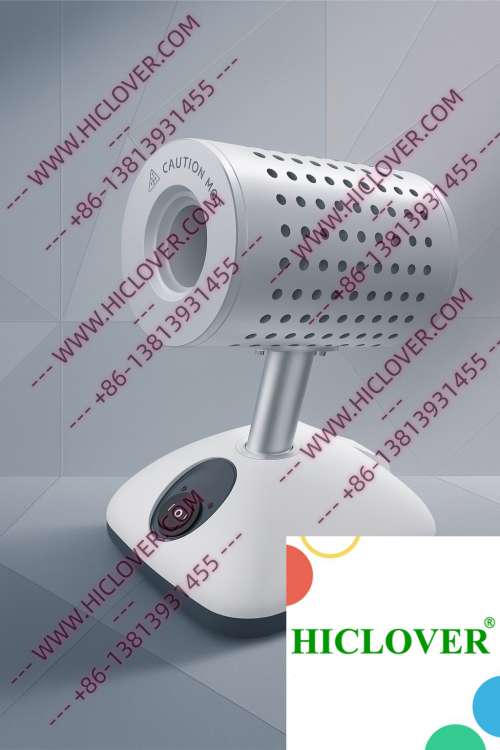
In contrast, the Micro Incinerator offers a clean, enclosed alternative. It effectively sterilizes inoculating loops and other tools by employing infrared heat generated within an enclosed ceramic tube, ensuring a quick and thorough disinfection process.
Technical Principles and Product Configuration
The Micro Incinerator harnesses the power of infrared heat to achieve high-temperature disinfection without the drawbacks of traditional flame methods. An enclosed ceramic heating chamber facilitates efficient heat transfer, ensuring that instruments reach the necessary temperatures for rapid thermal sterilization. This configuration minimizes the risk of contamination and allows for aerosol-free handling, making it ideal for sensitive laboratory environments.
Application Scenarios in Real Labs
The Micro Incinerator finds versatile applications across various laboratory settings:
- Biosafety Cabinets: In BSL-2 and BSL-3 labs, the Micro Incinerator can be integrated into biosafety cabinets, providing an efficient means to sterilize tools without introducing flame hazards.
- Teaching Labs: In educational settings, particularly in university teaching labs, students can safely learn sterilization techniques without the risks associated with traditional flame sterilizers.
- Field Testing Labs: For mobile or field testing labs, the Micro Incinerator’s compact design and rapid operation allow researchers to perform sterilization on-site, thus maintaining sample integrity.
Compliance and Environmental Considerations
Adhering to international biosafety standards, such as those outlined by the World Health Organization (WHO), is crucial for all laboratory operations. The Micro Incinerator aligns with strict laboratory sterilization standards, ensuring that users can achieve effective disinfection without the need for flames. This feature is particularly beneficial in cleanrooms where open flames are prohibited.
Moreover, by utilizing micro incinerators, Tokyo not only enhances its waste management strategy but also demonstrates leadership in adopting environmentally responsible technologies. The reduction of hazardous waste and emissions contributes to cleaner urban environments.
Comparison: Micro Incinerator vs. Traditional Flame Sterilizers
| Feature | Micro Incinerator | Flame Sterilizers |
|---|---|---|
| Heat Source | Infrared | Open Flame |
| Contamination Risk | Low | High |
| Aerosol Generation | No | Yes |
| Operational Safety | High | Moderate |
| Ease of Use | Simple (one-button operation) | Requires skill |
Frequently Asked Questions
What are the benefits of using a Micro Incinerator in a lab?
The Micro Incinerator provides rapid thermal sterilization without the contamination risks associated with traditional flame methods. Its enclosed design ensures a safe and efficient operation, particularly in sensitive settings like biosafety cabinets.
How does infrared heating work for sterilization?
Infrared heating relies on high-temperature radiation emitted from a ceramic chamber that effectively kills microbial pathogens and contaminants, providing a rapid means of disinfection.
Is it safe to use the Micro Incinerator in teaching labs?
Absolutely! The Micro Incinerator is an ideal tool for educational purposes as it minimizes the risks associated with flame-based sterilizers, making it an excellent choice for teaching laboratory techniques.
Can micro incinerators reduce urban waste?
Yes, by promoting effective waste management practices and reducing the need for traditional waste disposal methods, micro incinerators can be part of a broader strategy to combat urban waste.
What standards do micro incinerators meet for laboratory compliance?
Micro Incinerators comply with various international standards for sterilization and biosafety, including those set by the WHO and local regulations, ensuring consistent and safe use in laboratories.
Conclusion
In an era where urban waste management and laboratory safety are of paramount importance, Tokyo’s innovative use of micro incinerators like the Micro Incinerator / Infrared Inoculating Loop Sterilizer showcases a forward-thinking approach to biosafety and environmental responsibility. By integrating these advanced sterilization technologies, laboratories can enhance contamination control, maintain compliance with rigorous biosafety standards, and contribute to sustainable urban living. If you’re looking to elevate your laboratory sterilization processes, consider investing in a Micro Incinerator today. For more information, feel free to reach out to our team for assistance!
Categories:
Tags: