
In South Africa, the challenge of proper waste management within laboratories is a pressing issue, particularly concerning biosafety and contamination control. Throughout the continent, many labs are confined by the limitations of traditional sterilization methods, often using alcohol lamps or Bunsen burners, which can introduce unsafe flames in sensitive environments. At the forefront of modern sterilization technology is the Micro Incinerator or Infrared Inoculating Loop Sterilizer—an innovative solution that is transforming how labs handle sterilization while ensuring compliance with WHO biosafety standards.
Understanding the Technical Principles of Micro Incinerators
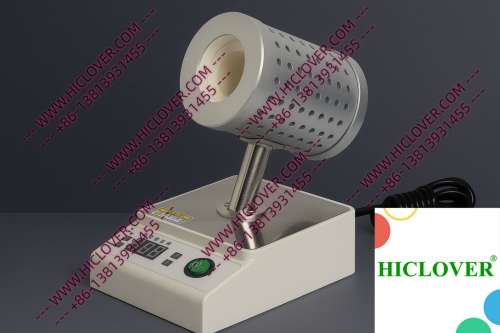
Micro Incinerators leverage infrared heat to achieve rapid thermal sterilization. The device utilizes a ceramic heating chamber that generates high temperatures to effectively destroy microbial life, ensuring absolute disinfection and contamination control. This design not only provides uniform heating but also minimizes the production of aerosols, a significant risk factor in environments where biological agents are handled.
The enclosed ceramic tube is specifically engineered for high-temperature disinfection. Unlike traditional sterilizers, which produce flames, the Micro Incinerator’s infrared technology allows for clean-bench-safe operations, making it suitable for use in BSL-2 and BSL-3 microbiology labs, as well as clinical diagnostics and teaching labs.
Applications in Real Labs
- Biosafety Cabinets: In settings that prioritize contamination control, such as biosafety cabinets, the Micro Incinerator serves as an excellent tool for sterilizing inoculating loops, needles, and other small laboratory implements. The device can be seamlessly integrated into existing workflows, enhancing biosafety without the need for additional bench space.
- Field Testing: For field scientists or researchers working in remote locations, the portability and efficiency of the Micro Incinerator cannot be understated. It allows for immediate sterilization of tools in situ, reducing the risk of contamination and ensuring reliability in sample collection processes.
- Reduction of flammable fumes in clean rooms
- Maintaining sterility of sensitive environments
- Complying with guidelines for the safe handling of pathogens
Compliance with Biosafety Standards
The relevance of compliance with international standards cannot be overstated, especially in light of WHO biosafety recommendations. Laboratories across South Africa are increasingly being urged to adopt more stringent sterilization practices to mitigate risks associated with biological research and public health. The Micro Incinerator aligns perfectly with these standards, offering a solution that manages the typical risks of flame sterilizers, including:
Moreover, the absence of naked flames makes Micro Incinerators ideal for operation within CO₂ incubator and anaerobic chamber environments where contamination and explosive hazards are concerns.
Micro Incinerator vs. Flame Burners
| Feature | Micro Incinerator | Flame Burners |
|---|---|---|
| Heating Method | Infrared Heat | Open Flame |
| Aerosol Production | No | Yes |
| Energy Efficiency | High | Variable |
| Safety in Clean Rooms | Safe | Unsafe |
Frequently Asked Questions
1. What types of laboratories can benefit from a Micro Incinerator?
Micro Incinerators are ideal for BSL-2 and BSL-3 laboratories, teaching facilities, and field testing environments where high levels of contamination control are required.
2. How does the sterilization process work with a Micro Incinerator?
The Micro Incinerator uses infrared heat generated in a ceramic heating chamber to rapidly sterilize instruments, effectively eliminating microbial contamination.
3. Can a Micro Incinerator be used in a clean room environment?
Yes, its flame-free operation and low aerosol production make it safe for clean room environments.
4. What are the advantages of using a Micro Incinerator over traditional flame sterilizers?
Micro Incinerators provide enhanced safety, better energy efficiency, and comply with modern biosafety regulations without the risks associated with flames.
5. How portable are Micro Incinerators for fieldwork?
Many Micro Incinerators are designed for portability, enabling easy transport and immediate sterilization capabilities in various field settings.
Conclusion
The Micro Incinerator represents a significant breakthrough in the field of laboratory sterilization, addressing the critical challenges of biosafety and contamination control in South Africa and beyond. As laboratories strive for cleaner, safer operations in compliance with global standards, this innovative sterilization equipment emerges as a vital investment.
To enhance your laboratory’s sterilization workflow and improve safety measures, consider investing in a Micro Incinerator today. For inquiries and further information about our product range, please contact us.
Categories:
Tags: