
In a rapidly evolving world where laboratory safety and efficiency are paramount, the challenges of ensuring contamination control loom large, especially in regions like Ethiopia, where resources may be limited. Traditional methods of sterilization, such as alcohol lamps and Bunsen burners, present weaknesses in workflow and safety, necessitating innovative solutions. Enter the Micro Incinerator / Infrared Inoculating Loop Sterilizer, a revolutionary tool poised to redefine the sterilization process in laboratories.
Understanding the Micro Incinerator
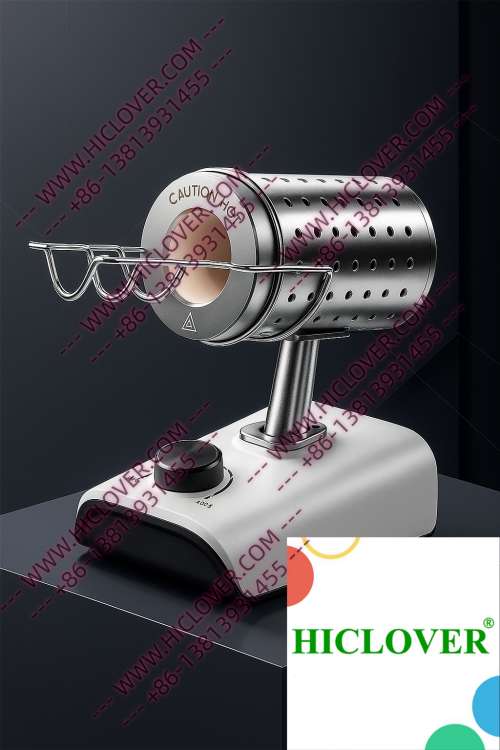
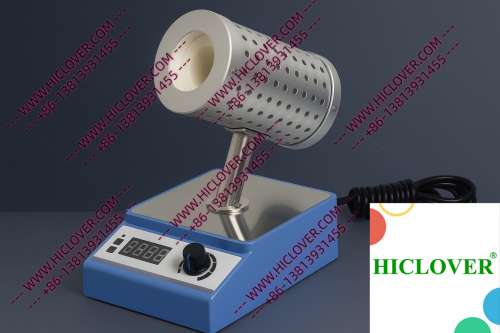
At its core, the Micro Incinerator operates on the principle of rapid thermal sterilization using infrared heat. Instead of exposing instruments to open flames, this state-of-the-art device employs an enclosed ceramic tube that generates high temperatures, enabling efficient disinfection without the risks associated with flame-based equipment.
This configuration significantly mitigates the potential for aerosol generation, making the Micro Incinerator a clean-bench-safe option, particularly valuable in sensitive environments such as BSL-2 and BSL-3 microbiology labs. The ability to maintain a sterile workspace while performing inoculations is vital to preventing cross-contamination in research while adhering to stringent biosafety standards.
Applications in Laboratory Settings
The versatility of the Micro Incinerator makes it suitable for various laboratory environments. Below are two compelling application scenarios:
- Field Testing in Remote Areas: In rural Ethiopia, where access to robust laboratory facilities is limited, micro incinerators have become a lifeline. Field researchers can now disinfect their tools rapidly and efficiently without relying on combustible materials. For instance, a team collecting soil samples can sterilize their spades and scoops on-site, preventing cross-contamination and maintaining the integrity of their specimens.
- University Teaching Labs: Educational institutions across Ethiopia are implementing Micro Incinerators in teaching labs to enhance the training of future scientists. Students practicing inoculation techniques in a controlled environment can learn about contamination control while following strict biosafety protocols. The infrared sterilizer provides a safe, efficient means to achieve disinfection, empowering students to adopt advanced practices early in their careers.
Compliance and Environmental Impact
One of the most significant advantages of using the Micro Incinerator is its adherence to international biosafety standards, including those set forth by the World Health Organization (WHO). In clean rooms and specialized labs, where no flames are permitted, the Micro Incinerator offers a compliant alternative that protects both the user and the working environment.
Moreover, with increasing emphasis on environmental sustainability, micro incinerators stand out as eco-friendly solutions. Their capacity for high-temperature disinfection minimizes waste generated from disposable sterilization materials, addressing the pressing need for greener practices in scientific research.
Comparison: Micro Incinerator vs. Traditional Flame Burners
| Feature | Micro Incinerator | Flame Burners |
|---|---|---|
| Heating Method | Infrared heat in an enclosed ceramic tube | Open flame |
| Contamination Risk | Minimal | High |
| Compliance | WHO biosafety compliant | Often non-compliant in cleanrooms |
| Maintenance | Low | High (due to soot and residue) |
| Temperature Control | Precise and adjustable | Variable with risk of overheating |
Frequently Asked Questions
- What types of materials can the Micro Incinerator sterilize?
The Micro Incinerator is designed to sterilize metal, glass, and other heat-resistant laboratory utensils effectively. - Is the Micro Incinerator easy to operate?
Yes, the Micro Incinerator features a straightforward interface, making it user-friendly for both experienced researchers and students. - How does the Micro Incinerator reduce environmental impact?
By using infrared heat for sterilization, it diminishes the reliance on disposable sterilization materials, thereby reducing overall laboratory waste. - Can the Micro Incinerator be used in field conditions?
Absolutely! Its portability and efficiency make it an excellent choice for field testing, especially in remote locations. - What is the average lifespan of a Micro Incinerator?
With proper maintenance, a Micro Incinerator can have a lifespan of several years, providing cost-effective sterilization solutions for laboratories.
Conclusion
In conclusion, the Micro Incinerator / Infrared Inoculating Loop Sterilizer represents a paradigm shift in laboratory sterilization practices, particularly in developing regions like Ethiopia. By adopting this innovative technology, laboratories can not only enhance their sterilization workflows but also comply with global biosafety standards and contribute to environmental sustainability. If you are looking to enhance your lab’s sterilization efficiency while prioritizing safety and compliance, we encourage you to explore the advantages of the Micro Incinerator. Contact us today for more information or to make a purchase!
Categories:
Tags: